NEW.SCOTS.AND.WINE?: EU Austerity Drinking Tour #5

The coastal calm of Charlottetown sinks in. My wife and I forget time or place. We have touristed its top sites: from Province House, to the olive oil chain, to Gahan’s very respectable microbrewery, to the Dirt Shirt company.

Now we walk endless meandering beachfronts, suburbs, and, well, potato farm after potato farm.

Prince Edward Island’s sun and lapping waters lull us into passivity. Why not stay past three days?

But no! For the next ten months we are travelers. The traveler never settles. Someone with serious mother issues once wrote, “The world is a book and those who do not travel read but a page”. We must seek out the new or die as redundant shells trapped by our own myopia.

That, and our train transfer expires tomorrow.

So we pack and roll to Halifax, Nova Scotia: our last stay in North America, before Europe opens her arms and bottles to us.

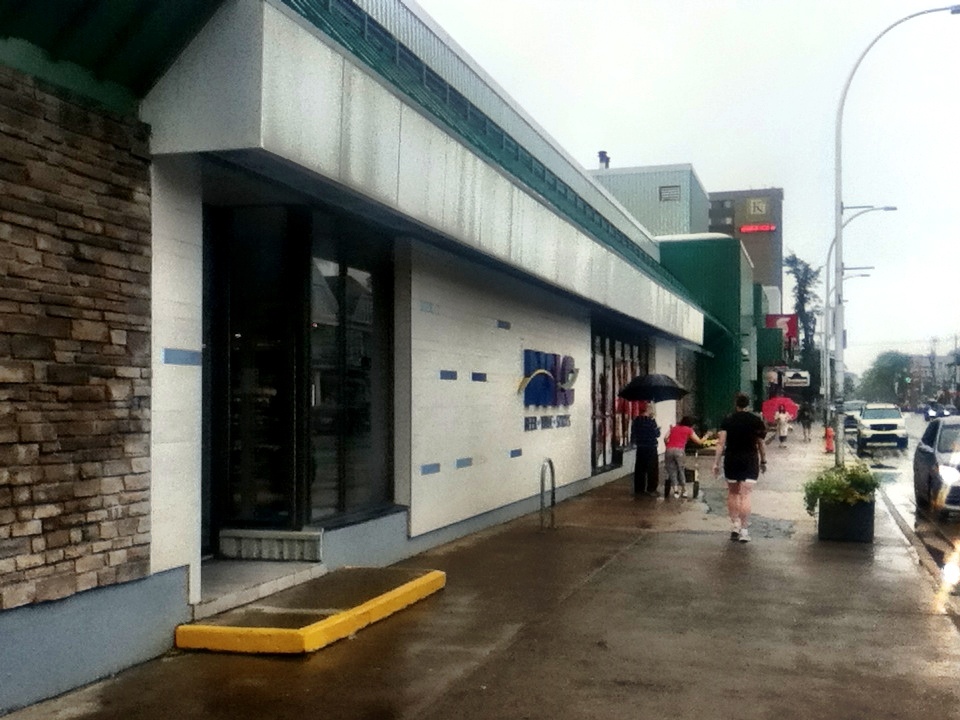
Thirsty, we go to Nova Scotia’s state owned wine store: the NSLC (Nova Scotia Liquor Corporation).
20120909-195048.jpg

Located in hipster central on Quinpool Road, this NSLC has a massive selection of local wine.

20120909-200340.jpg
Overwhelmed (and feeling cheap), we buy Jost’s basic red and white each for $9.99. If these cannot speak for Nova Scotia, as a drink of the people, nothing can.

20120909-201454.jpg
So what have we here?

First, a bit of context.

Shock and awe, even these coastal Canadians found mesoclimates worth growing grapes in. Well, a few…

20120908-225308.jpg
You might notice a few trends above. Firstly, there ain’t much. This peninsula is painfully northern for grapes. Secondly, coasts are king. That ocean moderates seasonal extremes by absorbing cold and heat. Thirdly, valleys matter. Too much ocean action, and a storm has eaten your vines, or frost, or Titanic zombies.

New Scotland has flirted with grape growing for centuries. But it only committed to the winemaking relationship in 1978. So who then, um, birthed this cold climate, grape baby? Surprise! Germans!

Freezer burned in traditions of northerly riesling production (Christenhof in the Rhine to be exact), Hans and Erna Jost discovered that grapes would grow along the valleys of the Malagash Peninsula.

20120909-194419.jpg

There is no fog. Which means no frost for half the year. 45 degrees of northern latitude matches Oregon’s Willamette Italy’s Piedmont, France’s northern Rhône. All of which, if southward sited, get enough light. Hills fend off clouds, making this Atlantic Canada’s sunniest spot. The Northumberland Strait holds the warmest waters north of the Carolinas, which warms everything.

It sounds almost idyllically bearable. Nonetheless, you can’t grow merlot, or for that matter anything recognizable. The most common varieties are Marechal Foch, L’Acadie Blanc, Muscat, Leon Millot, Geisenheim, Seyval Blanc, Vidal Blanc, Mischurnitz and Severnyi. Try saying them five time fast.

Back to our pair.

Jost’s Valley Roads 2011 white features L’Acadie Blanc, Nova Scotia’s own hybrid, backed by a bit of Muscat. Don’t let Muscat lead you astray, this is not fizzy candy. This is still, nearly dry, table white. Loads of acidity slice off any notice of residual sugar. Grapefruit and other things citrus cut dance lines through the bit of round, ripe tropical fruit and lychee at center stage. The body is medium. Overall easy. But the finish hangs around for no one. However, this cheap thing is perfect for light, fresh fare: fish, goat cheese, salads, Thai coconut soup.

20120909-211511.jpg
Next, their cheap 2010 Valley Roads red. Annoyingly, this is rather decent as well. Inky purple. Mixed berry fruits and a bit of spice stand out clearly with no oak intervention. The climate-gifted acidity is obvious but refreshing. Not bad for Millot/Marechal Foch blend. Grilled meats, cheddar, mushrooms, or burgers would work here.

Spurred on by Jost’s decent-ness, we splurge $20 for their 2007 Baco Noir.

Here you pay for French oak barrels and a year of patience. The color has gained a lovely garnet color. The glass breaths mature, toasted vanilla oak and tart black cherry aromas. The body and flavors stand out, with charred cigar, tomato, tart blackberry, black cherry zinging. The finish is lengthy, something blueberry.

The only fault is volatile acidity: that prickly, vinegar-like quality (which means bacteria found a bit of oxygen and turned some alcohol into acetic acid). I tolerate and even enjoy a touch of rustic V.A. It is honestly fine here. Rich food with thick sauce and low acid would tamp it down and make a great pair.

20120909-222839.jpg

Not a bad start Nova Scotia. But we’re not done with you yet. Next post we head to Halifax for its breweries.

SOURCES:
Explore Nova Scotia

Jost Vineyards

The NSCL

Posted in Canadian Maritimes | Tagged , , , , , , , , , , | 1 Comment

PEI.POTATOES.: EU Austerity Drinking Tour #4

My wife and I end our week in Montreal. Week two of our grand drinking tour begins.

Our hosts kindly drop us and our luggage pile at the train station. After an hour of translating Québécois announcements into French and then into English, we race to our line, stand for thirty minutes, and then shuffle into our train.

No GPS. No maps. No getting lost. Nothing but relaxation.

Pine forests, hills, and hamlets gradually morph into flat marshland, wriggling red mud streams, and the gape of the steely Saint Lawrence River. Surrounded by all this nature, nevertheless, the elusive moose evades our search.

While Canada sweeps past our window, we munch a brilliant, crunchy, aged Quebec cheddar. After an awkward night’s sleep, our eyes finally catch a moose jogging through a marsh. This being Canada, an impossibly sincere couple fills the train with southern folk songs.

20120901-205822.jpg

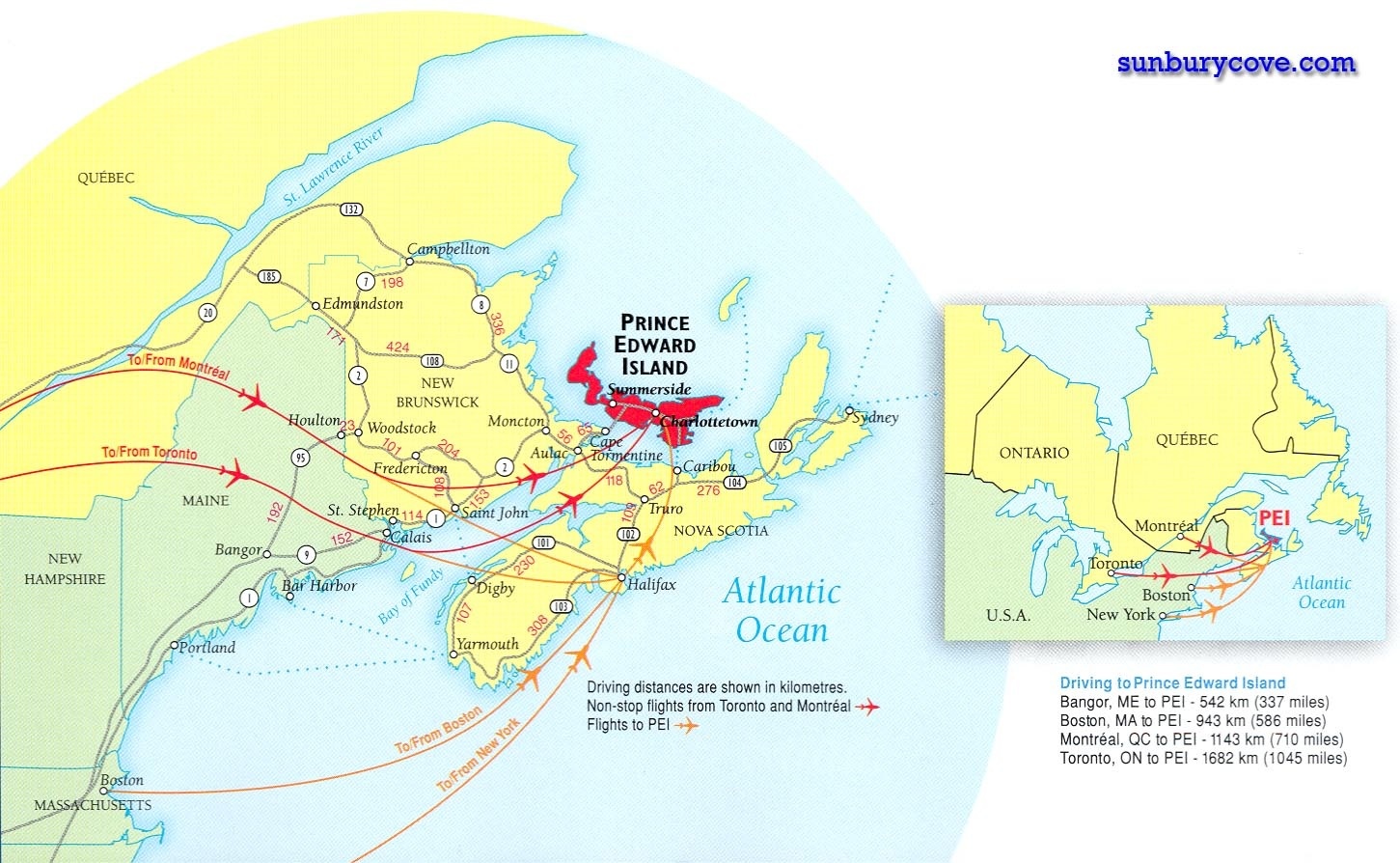
We switch to bus in Moncton (which sums up Moncton’s tourist attractions ). Once free from the station, the land flattens until the Atlantic pops blue onto the horizon. Soon we fly across a massive bridge which lands us on our destination, Canada’s smallest province, Prince Edward Island: a land famed for little more than Anne of Green Gables and Canada’s first talks of union.

20120831-225027.jpg

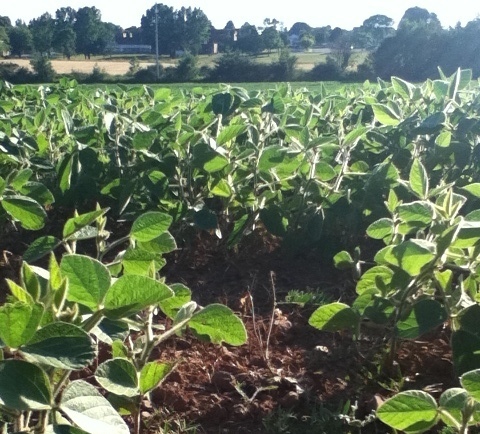
Endless green shrubs emerge from the sea, populated by small white and purple flowers. Every inch of rolling land is planted with it, even between shopping centers. But with what?

Finally, our confused, West-coast eyes (with the help of google) spy out the identity of this plant perpetrator:

20120901-235329.jpg

Potatoes.

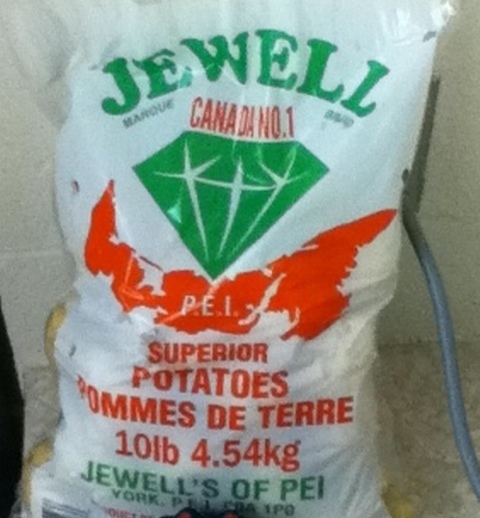
Grocery stores pack mountains of them. $2 for 10 pounds. We end up eating variations on this theme for a week.

20120831-143213.jpg

This small island, on the Atlantic’s edge, produces a third of Canada’s potatoes. That’s one hundred pounds per Canadian person. That’s 100,000 pounds per annum.

Now, I adore wine. PEI has a winery or two. Aside from retched fruit wines, chardonnay and gamay are grown, which were also retched. We nearly went to their wineries. However, microclimates warm enough to ripen grapes are hard to find this far north. Lazily, we decided not to drive out.

But our locavorisitic tendencies could not ignore PEI’s starchy staple.

One gleaming day, we strolled to Charlottetown’s harbor. Amidst the clutter of shops, shadowed beneath the din of Cow’s ice creamery, sat the clean white-washed gem of Prince Edward Distillery’s tasting room.

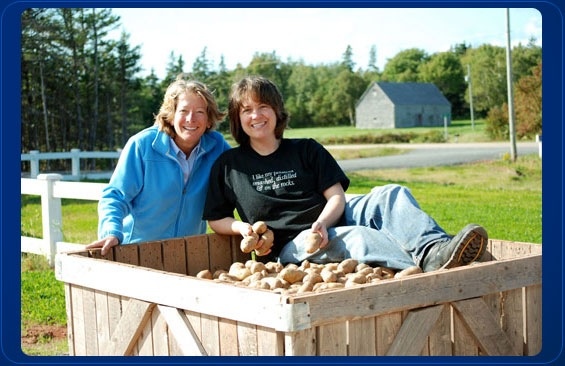
Two brave women, Arla Johnson and Julie Shore, founded PEI Distillery in 2007.

20120831-233957.jpg

Unlike wine or even beer, neither of which are stellar on the equality front, spirits has stubbornly remained the product of men (Scotland has only one distillery run by a woman), all of it comfortably couched in masculine tropes. But Arla and Julie shift the game with their craft, winning awards and recognition from the Chicago Beverage Institute.

Their potato vodka is ethereal. If you hate vodka, stop drinking Grey Goose. The multinationals will blend any and every starch to make their alcohol as cheaply as possible. Then they distill it continuously until all flavor esters evaporate or are portioned out. The less flavor, the better the mixed drink, in theory.

But PEI, with their gleaming, copper still, keep the more volatile bits in. Their potato vodka has a richly creamy texture: a classic sign this is just potatoes and water, not some grain. The bouquet confidently declares white flower, fresh cut potatoes, vanilla. These flavors carry over to the palate, but something interesting creeps in: minerality. Seeing all the red soil here probably planted this seed, but I’ll call it iron. My wife thinks it’s salt. Not being chemists, we move on.

The finish is edgeless. One could drink it neat and be very happy. However, it provides a robust base for any coctail.

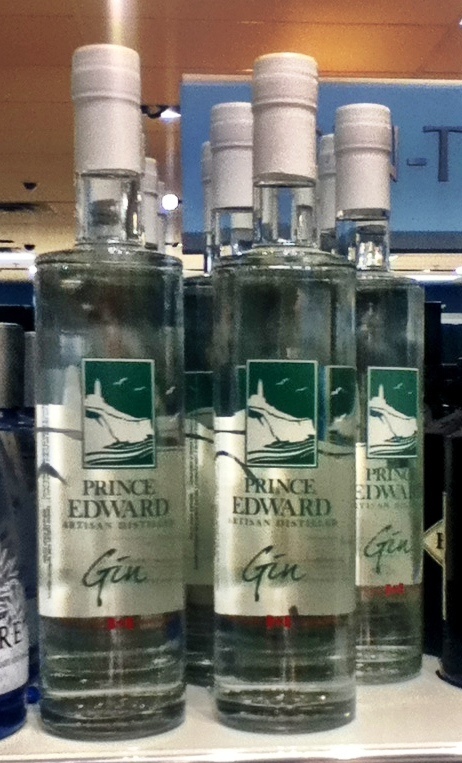
Local grains also fill their gin. High toned, athletic, and a touch saline again. Ancient forest spice of juniper berries dominates flavor, but PEI’s steeping of lemongrass and ginger brightens this perfect G and T partner. Weirdly, one could sip this chilled alone.

20120902-000239.jpg

Switching back to local produce, PEI’s Blueberry Vodka fooled us. It is as clear as water. We taste it: no blueberries. Some fruitiness creeps in at the finish. We inhaled. Then the ninja in blue attacked, like Cato from a fridge, but into our noses. Delightfully tricky stuff, with less screaming.

20120901-234916.jpg

Hmmm…It would be nice chilled.

PEI’s rare whiskey tastes smokey, cigar-like, with burnt caramel and cream and tons of length. However, the alcohol and flavors all stand apart like chess pieces. Maybe it needs more time in bottle or in barrel. Too jagged yet.

Prince Edward Island Distillery crafts respectable spirits. Everything tastes like it comes from this odd, potato obsessed island. However, you pay for it. Between levies and taxes and the Province’s own 10 bucks if it’s a bottle of alcohol health tax, Arla and Julie’s potato vodka will mash $50 from your wallet.

So we left the tasting room warm, impressed, yet a bit clouded. Either way, well done ladies.

Sources:
http://princeedwarddistillery.com/index.html
http://peipotato.org/english/produce_whypeipotatoes.asp

Posted in Uncategorized | Tagged , , , , , , , , , , | 4 Comments

QUEBEC.BEER.: EU Austerity Drinking Tour #3

Last time, Quebec wine showed its terroir cards. Canada’s cold, continental climate stretched even the hardiness of hybrid grapes. Wines were thin, acidic, funky but real. Only a sparkling, hard apple cider shone.

We’re halfway through our stay in Montreal. Soon a train takes us to Prince Edward Island, then Halifax, then Europe. Desperate, my wife and I give quebecois beer a try.

We wander Plateau de Mont Royal: our home these six days.

It is Montreal’s true heart. Such quaint shops and cafes. No museums. Just sidewalks cluttered with every ethnicity and language and class. Strangers talk to strangers’ dogs. Even pigeons and sparrows cavort amicably.

So many single shops. A tin cutter. Countless chocolatiers. An herb shop flanked by cheese and olive oil shops. A bread shop that avoids bleached flower, gluten, processed anything, inorganic everything, et cetera. I wonder if they make bread at all. Hole in the wall restaurants that seemed hell bent on preserving the cuisine of small countries: Greek, Polish, Portugese, Jamaican, Tibetan, Syrian, Afgani. Every corner bar hiding Towers of Babble beneath its red patches of umbrellas.

Overwhelmed, we pause in a park. On our way back we find another organic market and buy their three cheaper beers: $3.50 a 12 ounce bottle each. Each from Quebec, if not Montreal.

Beer 1: Les Brasseurs RJ, Cheval Blanc.

Before Cheval Blanc merged with Les Brasseurs in 1998, it had begun Quebec’s craft brew revolution in 1986. Their brewpub still provides a cozy, dark, well tuned bar on rue Ontario. It is half strip club velvets, half sleek diner chrome and formica: comfortably armed against the legions of French wine and cheap beer.

20120820-204806.jpg

Their namesake beer, Le Cheval Blanc, is a classic Belgian white. Defiantly hazy, with yellow beige color and thin white mousse. The nose is fresh and casual orange and chamomile. The palate is light, creamy and low on the bitter bits, acidity, and body. Fresh orange flavors dominate, laced with chamomile, sunflower seed oil. The length is shortish, but this is a Belgian white. It’s goal in life is to refresh, be briefly fruity but complex, then race off.

Les Brasseurs RJ Cheval Blanc does it wonderfully, especially when sitting next to a plate of fresh local goat Brie on baguette drizzled with golden cerise de terre jam, a
local specialty.

This is very good beer. It broke tradition by introducing Belgian styles. It is not wholly native Québécois. But it works.

Next: Claire Fontaine from Nouvelle France.

20120820-203929.jpg

Bright clear gold with paper thin sheet of white fizz. The aromas were a bit odd. Think soy sauce on tempura fry and vanilla cream. Maybe rice and malted barley are the culprits.

The palate straightens out. Fine flavors of toasted buttered bread, hazelnut, salt and vanilla. There was enough bitterness but this is a light no-brainer beer. More length, a good, lighter amber.

Lastly, another Les Brasseurs RJ takeover: Tremblay’s Bierre Blonde Lager.

20120820-204146.jpg

Pale gold in color with lightly latticed fizz. The aroma is equally quiet with flowery hops, bread and citrus somewhere in there. The palate is equally forgettable, with lightness and simple flavors of bread, golden apple that last for a moderate bit of time. Good but fairly straightforward.

Beer confuses me. The only native bit in even most local microbrew is water. While barley, wheat, and hops are imported from all over the world.

The blending of those elements may vary. But still most beers squeeze into international types: lager, blond ale, IPA, red ale, stout, et cetera. Clever producers may turn to exotic types, such as Cheval Blanc’s hazy Belgian white. But can a beer be local? Can it pull the trick wine does and taste of the soil it comes from?

Not until brewers only source local ingredients. Not until they involve local methods.

And probably not until I learn to pay a bit more.

Posted in Uncategorized | 1 Comment

Wide.World.: EU Austerity Drinking Tour #1

Long time no chat, internet.

Since we last spoke, I have retired from selling wine at a respectable boutique. Our fling lasted three tumultuous years. She took this lost archaeologist into her inebriating embrace. I returned her love with an unwavering-ish promotion of her wares.

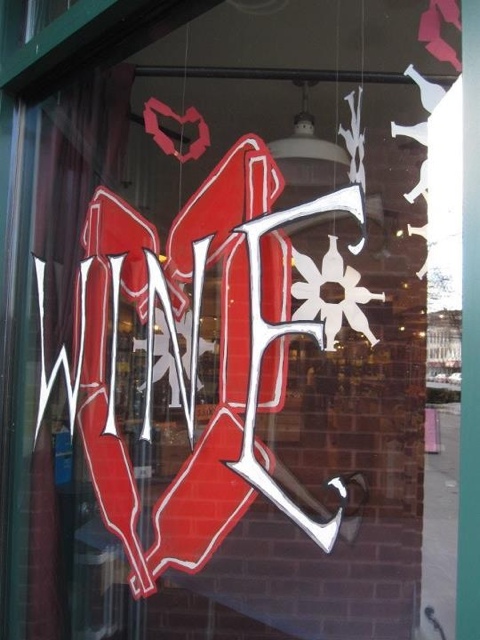
Simply, I sold the hell out of wine. I studied it and drank it daily. Windows, placards, and displays I hand-dressed in painted advertisements.

20120807-001243.jpg
See! It’s a heart made out of bottles. Genius!

Days disappeared beneath mountains of forty pound cases stacked, restacked, opened, and crushed along their destination to recycling heaven.

My head disappeared amongst the pages of Jancis Robinson’s wine Encyclopedia, Decanter or Wine Spectator’s magazines, or into the cut and paste gibberish of Wikipedia and other internet sites. I read myself numb through the Wine and Spirits Education Trust’s Intermediate and Advanced courses.

In turn, I unleashed that information on customers. No soul escaped the store without learning about cold stabilization or the difference between Slavonian oaks. Half my shoppers and coworkers wanted me to shut it or ran away. But my enthusiasm infected a few victims, and rendered the world a drunker and better place.

Yet something was incomplete. I would try to describe Bordeaux’s Landes forest. I mentioned its influence as a windbreak. Customers would nod and smile. But it seemed as real as describing Atlantis.

Neither of us had a clue what a bordelaise tree looked like or really did. For what was I making my moderately meager paycheck? I didn’t need a Maserati GranTurismo MC Stradale. Probably. No.

20120806-234819.jpg
*SLAP* Stay focussed.

In order to make flesh my thoughts on wine, I have become a traveler again. Not for a few days, weeks, or months. But a year. Or at least until money ran out.

This journal is titled waywardwine after all. Bottles should not be found on shelves alone. They must be hunted out of their native hovels, cornered, and imbibed amidst the soil, people, waters, traditions, and especially cheeses that raised them. Otherwise, I can only describe, and will only enjoy, the things I already expected or knew.

So follow me. The journey may get rough. All I have is my spouse, a tent, a corkscrew, a portable cappuccino maker, and an insatiable thirst for all things new and alcoholic.

20120806-235229.jpg
Ceramic cat ensures auspicious cappuccino.

Fair warning: poetry of this quality is rarely composed by thumbs alone. Yet all I have is this iPod Touch and a free app. So kind be you if gammar get jumbled.

Internet may also be hard to find, so updates may come in waves. My advice? Subscribe to this blog. There’s a button somewhere.

Posted in Uncategorized | Tagged , , , , , , , , , | 3 Comments

Quebec.Quandry.: EU Austerity Drinking Tour #2

Week one:
My spouse and I arrive in Montreal. Our year-long drinking journey begins here. Europe will become the core of our trip. But we like Canada, it is close, and we want to see the Maritimes: Canada’s East Coast.

Already familiar with the bustling Montreal metropolis and their province-controlled wine store, SAQ (click here for my review), we go shopping.

Tragedy. La Vieille Ferme rouge, my go to French red for under $8, sits on the shelf at $14.

20120812-092556.jpg
Quele dommage!

After a bit of rage, denial, and searching for alternatives, the heavy Canadian penny drops. We forgot that tax is 15%. Without competition under communism, prices are whatever a comrade is willing to pay. Tariffs on imports are high and selection controlled by an elite committee.

So we make a pact. If no local made it, don’t drink it. We can learn how Chilean pinot noir tastes anywhere. No one sells Quebec wine in the states (no one sane at least). When else might we drink something from the same soil, weather, water and culture as that cheese and bread? Some harmony must exist between flavors and textures derived, and then produced, from similar means and for similar ends.

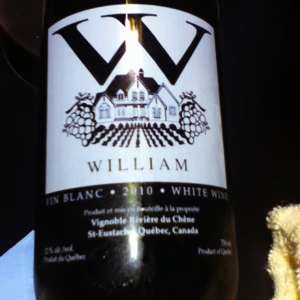
Wine 1: William, Vin Blanc, Vignoble de la Rivière du Chene, St-Eustache, Quebec 2010

20120807-152102.jpg

This comes from vineyards thirty minutes outside of Montreal. Rivière du Chene is Quebec’s largest producer and it shows: their wines are everywhere. Tonight’s white is called William. Yup. Just William.

Hey, grab me a William. Eww…

The grapes? Some hybrid called vandal-cliche dominates at 90% (with vidal blanc playing second fiddle). Vandal-cliche is excessively québécois: developed by two like-named breeders in 1989 and only grown here. It is a total mutt of a hybrid, with parents coming from Vitii labrusca, vinifera, riparia, rupestris, cinerea, and aestivalis…

Why such vine hanky panky? Well, vandal-cliche can handle -31F. That’s freakishly cold for a plant from the eastern Mediterranean.

Rivière du Chene grows it near the St Lawrence river, along the 45th parallel, all of which, they claim contributes to a climate similar to Marbolrough New Zealand. Sure.

Bottle open, the wine is a clear, thin lemon color. The bouquet is clean with medium intense green apple peel, yeast, and young green grapes.

No sugar survives the screeching high acid. So I’ll call it dry. Acid lightens any body or core fruit. Even with malolactic fermentation and lees stirring (which should soften the acidity) William barks its cold climate credentials.

The flavors are fairly average dry white: with citrus rind, pith, lemon juice, water, steel. The length is medium minus. This is acceptable quality but a bit dear at $15. It’s a wine. Zippy and ready for some zingy boucheron cheese from here or their crisp cucumbers (hot house vegetables didn’t work, nor anything sweet).

Let’s move on.

From Quebec’s biggest producer to their oldest, Domaine Des Cotes D’Ardoise. After forty years, Ardoise should know what to do with their 2009 Vin Rouge.

20120807-211229.jpg

The main grape is gamay noir of Beaujolais fame (and infamy). It is one of the few European red varieties that survive Canada’s cold.

Ardoise grows Quebec’s oldest vines (25 years) for this wine, just North of Vermont, where the St Lawrence warms as well but continentality increases, making winters and summers more extreme.

What does this all mean? Try it. It is odd. If you’ve tried any cool climate red you’ll understand.

Five years show in the garnet color. The nose says drink me now. Oaky, nutmeg, and musk tones dominate the fruit. I’d like to claim cherry but dried tomatoes seem more apt. Rustic.

The palate is dry, tough, yet bright. Acidity reigns supreme. There’s a hint of volatile acidity. Nothing offensive though. Gamay’s typical lower tannins and medium body barely hold candle to the obvious oak notes, that carry a burnt, lacquer-like quality.

Primary fruits again seem underripe. Tart blackberry, red apple skin are all you get. The finish drops off awfully quickly.

Annoyingly, a few glasses in, Ardoise tastes like a musky, over-oaked beaujolais. Blue or smoked cheeses may save it. It’s unique and of acceptable quality, but $16? Seriously?

Final chance Quebec. Maybe grapes are too much a stretch. Apples, you are up.

La Face Cachée’s first sparkling cider comes in a slick package, labeled simply Bulle No 1. Brut.

20120812-095416.jpg
Quality photography like this has no price.

The cork is caged for a good reason: this is intense fizz. After the apples turned to a still wine around 6% alcohol, the cider was treated like champagne. Bottle refermentation raised the alcohol to 7.5 and added proper CO2, no soda carbonating here.

It’s so fizzy, I would advise decanting it. Coupled with trademark high acid and no residual sugar, the big bubbles will sear the palate. Fish and chips are in order.

Yet Bulle No. 1 works. It’s clean, clear, pale and refreshing on a dry Cava kind of level. The citrus flavors and nutmeg-like yeastiness say hi in a chirrup and run off. This is what appetizers and a crew who doesn’t care about the drink want.

Quebec’s strong suit may not fit a mid priced wine body. They’re real, indicative of the climate, and interesting. But I’m barking up the wrong vine.

Next week, a vine of a hoppier kind: Québécois craft beer.

Posted in Uncategorized | Tagged , | 2 Comments