Thirsty Thursday: Stone Cottage Cellars, Gewurztraminer, West Elks AVA, Colorado 2012

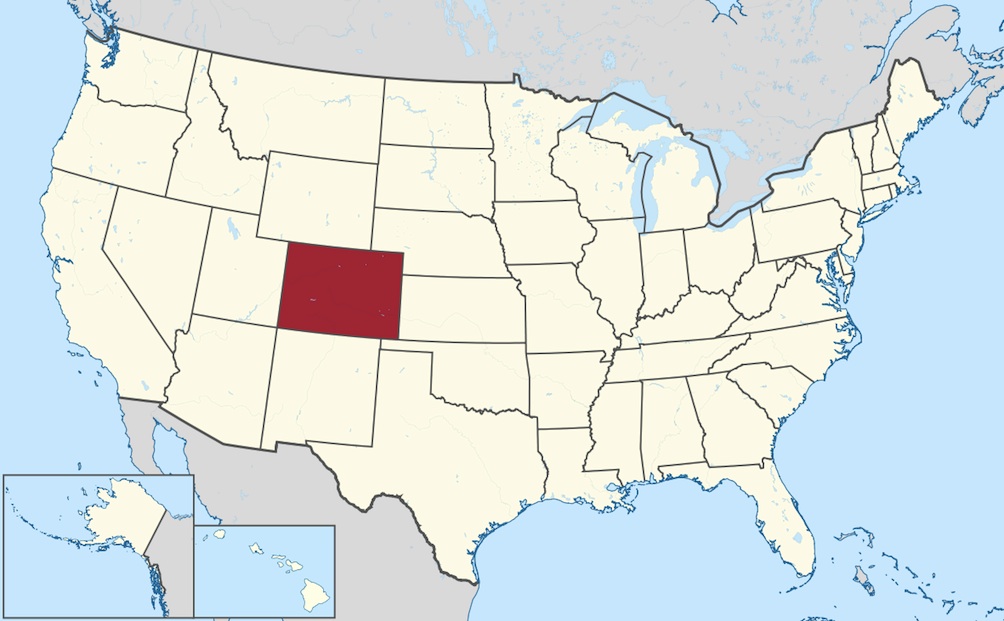
So…Colorado:

Colorado Map

Not the Mediterranean

This land-locked state gains fame for its Rocky Mountains, Broncos, and Coors: the largest…single brewery…in the world (22 million barrels roll out annually).

But they also grow grapes.

Let me put my cowboy hat on and tell you a tale.  Along the Gunnison river, around Hotchkiss and Paonia, in the shadow of snow-capped peaks, lays the West Elks AVA.
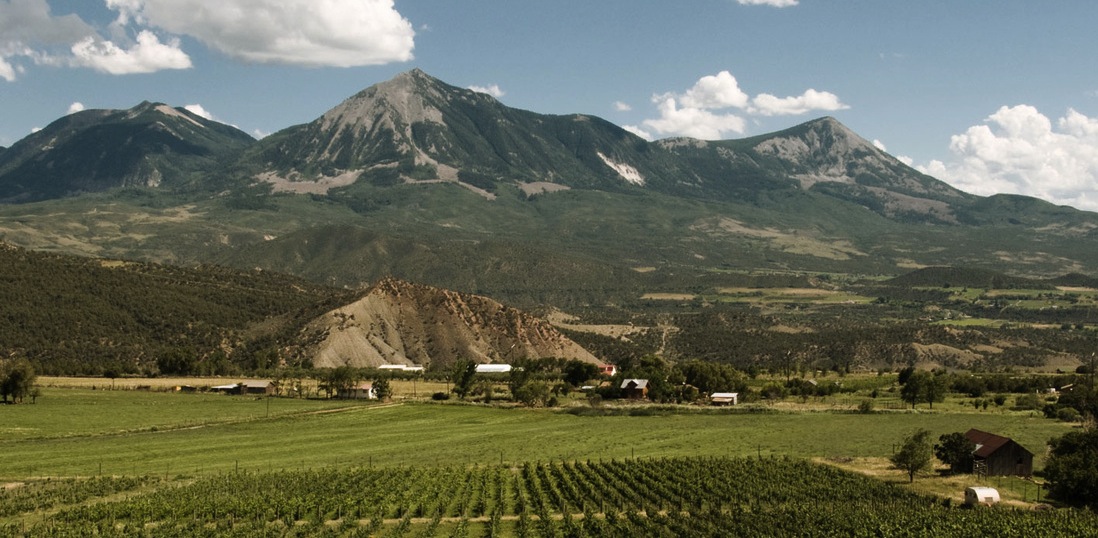
West Elks AVA

Perty

Now you may be thinkin’: “AVA??? This ain’t France or California! Colorado can’t grow grapes!”. Well, West Elks provides a rare micro-climate, similar to landlocked regions like Alsace or Western Germany.

Here, the nights are as cold as the days are warm.  The climate is firmly continental.  So grapes ripen just enough at day, but keep their acids at night.  It is dry country this.  No humidity could ever corrupt the grapes’ delicate skins with fungus or bacteria.

While Europe’s vineyards reach 1,600 feet above sea level, and Argentina impresses with vineyards pushing 5,000 fasl, today’s Thirsty Thursday’s grapes grow 7,000 fasl: go above this, and your body stops digesting food.  Without this height it would be too hot, humid, and horrid for grapes.

And luckily, Stone Cottage Cellars grows Gewurztraminer: the “spiced grape” known for opulent, tropical, Asiatic fruits and and spiced aromas…especially when grown in cool but arid climates like Alsace. But Colorado? Let’s see.

So, what is Stone Cottage Cellars’s extreme Gerwurztraminer like?
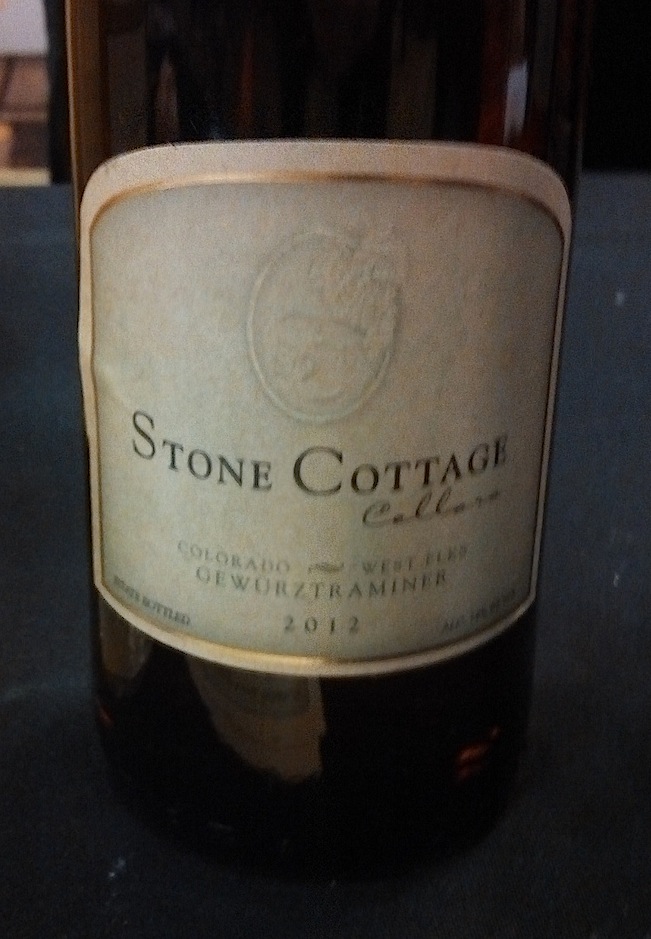
Not the most exciting label.

Not the most exciting label.

Appearance: Beyond the bland label, it looks a cool, pale lemon.

Aromas: Clean, extravagant aromas of lychee, white flowers, honey, and gold pear envelop all sensory capacities.

Palate: Medium sweetness is slayed by slicing acids.  Even at 14% alcohol, there is still residual sugar.  Without it, this wine would be painfully austere.  The interplay of sugar, alcohol, and acid create a pleasant, medium body.

Flavors: Surprisingly moderate flavors of fresh white melon, lychee, and a hidden minerality and apricot, lead to a fresh cut of ginger on the finish.

Conclusions: Stone Cottage Cellars has created an aromatic showcase that tightens into a tight, food-ready palate.  The wine has balance, flavor complexity, and length.  It is surprisingly very good (4 of 5), worth $22, and a worthy competitor of some of Alsace’s better Gewurztraminers. Well done.
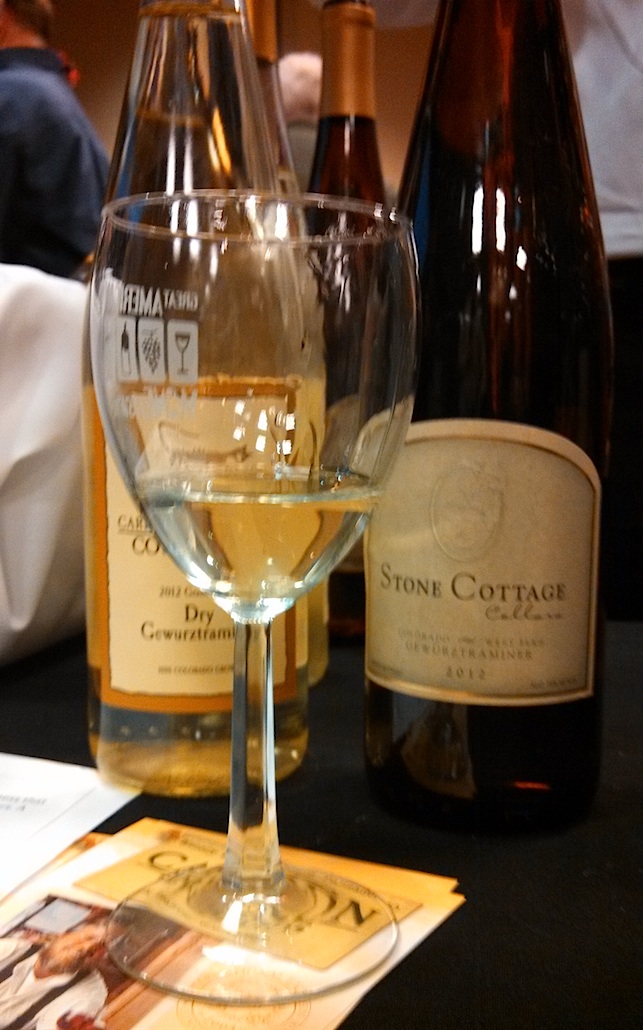
Stone Cottage Cellars 2012

Never read a book by its cover.

Posted in Uncategorized | Tagged , , , , , | Leave a comment

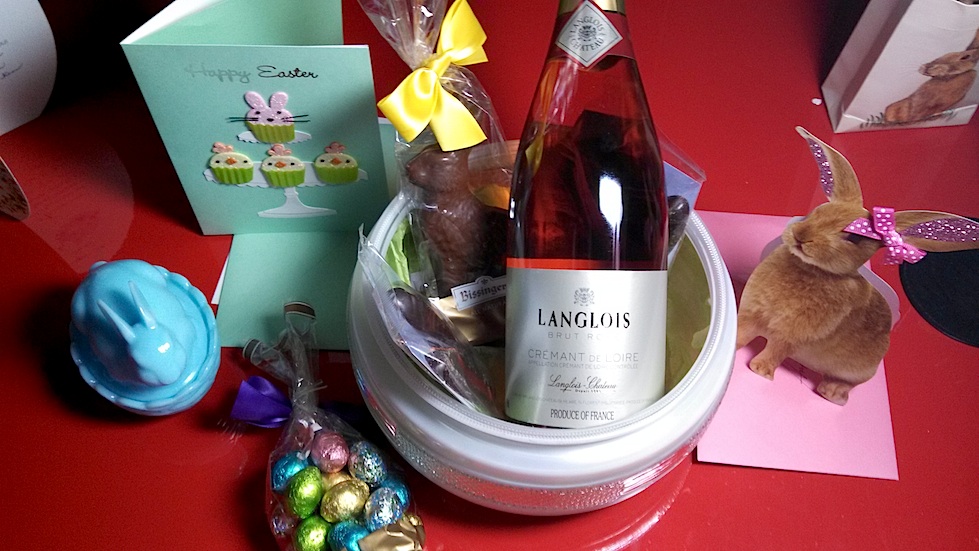
Easter Alleviation: Langlois-Chateau, Brut Rose, Cremant de Loire, France NV

Easter arrives this weekend.  But before you ruin both Cooks, André, Prosecco (and your palate) with orange juice, elegant-up your game with a Brut Rosé from the Loire.

Parisian bistros pretty much funnel the stuff upriver, filling glasses of beret wearing socialists and socialites who need a break from their cigarettes, coffee, and designer dogs.

cafe-paris-france

Five hour lunch break.

Joking (and ash trays) aside, the French know fizz.  They invented it.  The best come from cooler climates.  The Loire river provides just that.  It’s cold, wet, and miserable climate ripens grapes gradually, holding down alcohol and retaining acids and fresh flavors crucial to bubbly.

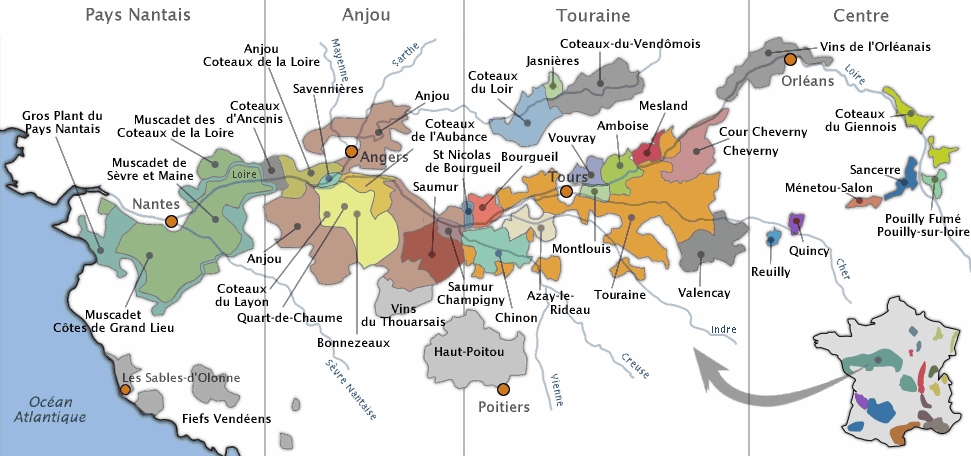
LoiremapThis Easter’s example comes entirely from 100% Cabernet Franc grapes grown in Saumur.  Since 1885 Langlois-Chateau has made fantastic fizz.  But in 1973, they got a direct injection of fabulousness (expertise and cash), when Champagne’s Bollinger took over.

Today no one else makes their bubbly from start to finish in the Loire.  Most producers age on the lees for the required 12 months.  Langlois sits for 24.  This means more structure, extremely integrated bubbles, more complex flavors, and roundness.  Most Crémant de Loire is lovely, tart, but simple.  So what can you expect for under $20.

LangloisCremantDeLoireBrutAppearance: imagine salmon glowing bright like the sun.

Aromas: smell completely whole and ready.  Like a calm handshake with your nose, notes of blood orange, cream soda, and burnt baguette assure you this is interesting but pleasant.

Palate: is neither dry nor austere in any way: perfect for Easter, while ignoring children egg-hunting.  That slight icing of sugar, however, only calms the medium plus acids.  The alcohol is 12.5%, warming gradually, with ninja-like sneakiness.  The body is there, not wafer thin, nor fat.

Flavors: Salivating citrus leads up front, followed by a raspberry macaron with butter-cream on the medium plus length finish.

raspberry-macarons-009

Yum!

Conclusions: Langlois’ Brut Rosé is almost too pleasurable.  In private circles you might call it a bit of a lush.  It lacks precision and flavor focus.  Yet it is so perfectly balanced and pleasing it begs for a lazy Sunday.  It won’t demand your attention, but you and your guests will know that it is very good quality (4 of 5).

Skip mimosas.  Instead, transport yourselves to that bistro in Paris, floating above the screaming blur of kids fighting over chocolate rabbits and hidden eggs.  Happy Easter!

Posted in Uncategorized | Tagged , , , , , , | 2 Comments

Barcelona: Roman Winery and Modern Bottle Shop

We leave the Pyrenees-locked country of Andorra on the 104th day of our EU Austerity Drinking Tour.  Spain is our next step: land of Cava, Rioja, Bierzo, Ribera del Duero and countless other wines.

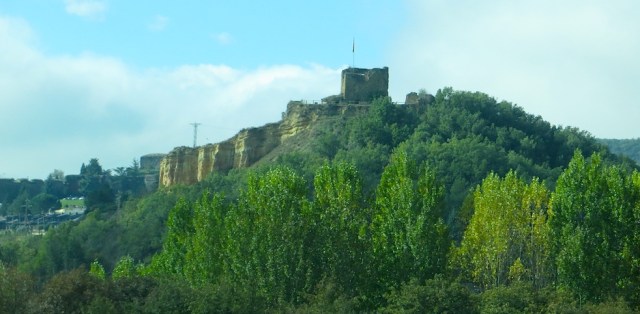
EU map Andorra BarcelonaDay104The bus winds and weaves through breathtaking, somewhat nausea-inducing, scenery.Barcelona CastleCliff castles, shrub-dusted hills, Romanesque churches, and deep ravines all zip past like a slide show.  Then fingered rocks form the most surreal horizon.
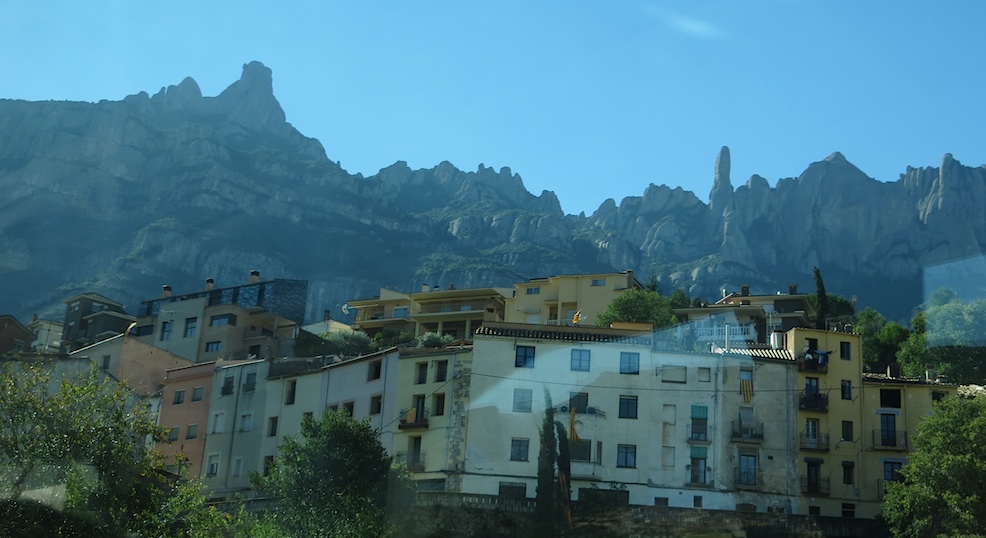
A monastery is tucked away somewhere up there.

A monastery is tucked away somewhere up there.

After a few hours, the road straightens, the land flattens, and agriculture and industry take over the landscape.  We grow tired of a chatty traveler from Israel.  Now, less dramatic villages crawl by, occasionally peppered by a ruin or two.

BridgeToBarcelona

Nice pointy bridge.

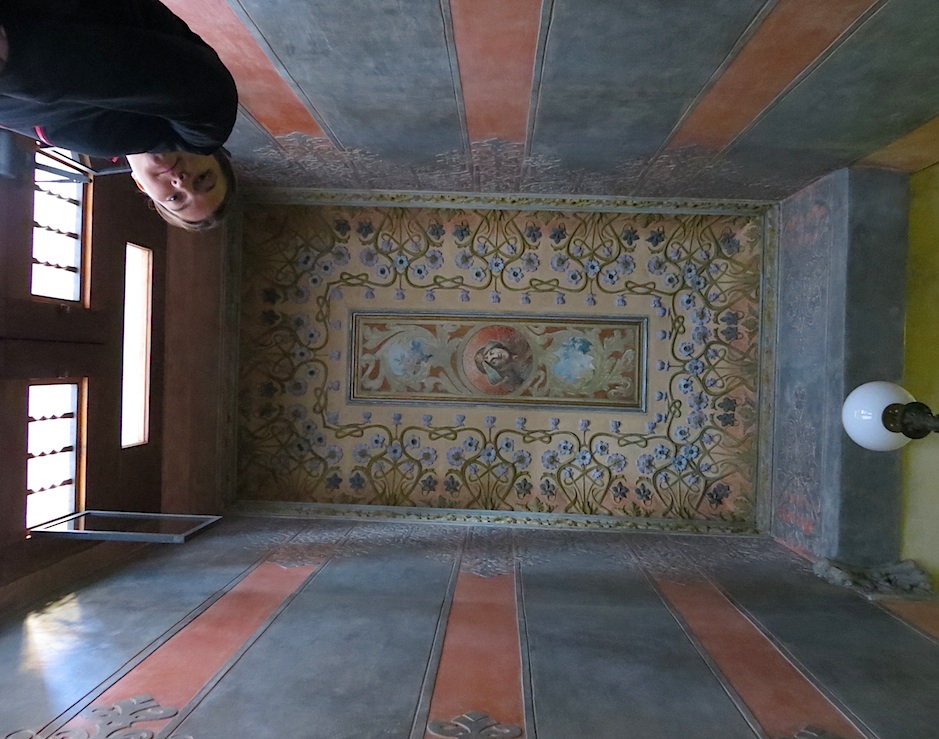
Finally, we arrive in Barcelona.  Its urban sprawl challenges our apartment hunt.  But we find our Art Nouveau foyer, meet hosts, dump bags, and head out for food.

Gorgeous!

Gorgeous!

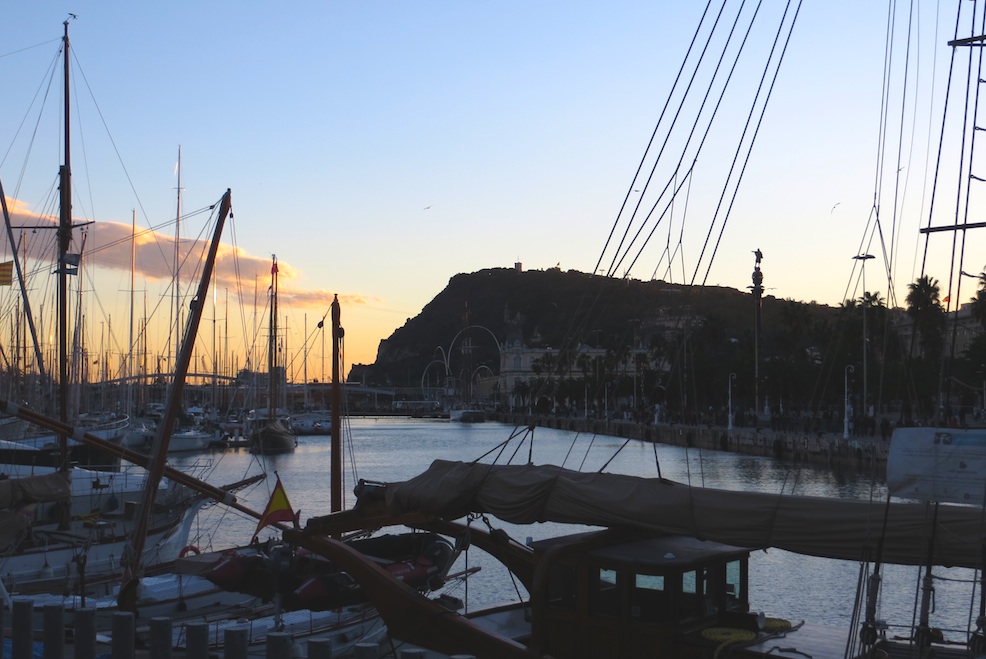
Everything seems closed thanks to All Saints Day.  So we venture into the human crush of Las Ramblas: Barcelona’s endless avenue of shops, food, tourists, and devious pick-pockets.  A vegan diner in the gothic core delights and we watch the sunset fall over Barcelona’s port.

Lazy boats.

Lazy boats.

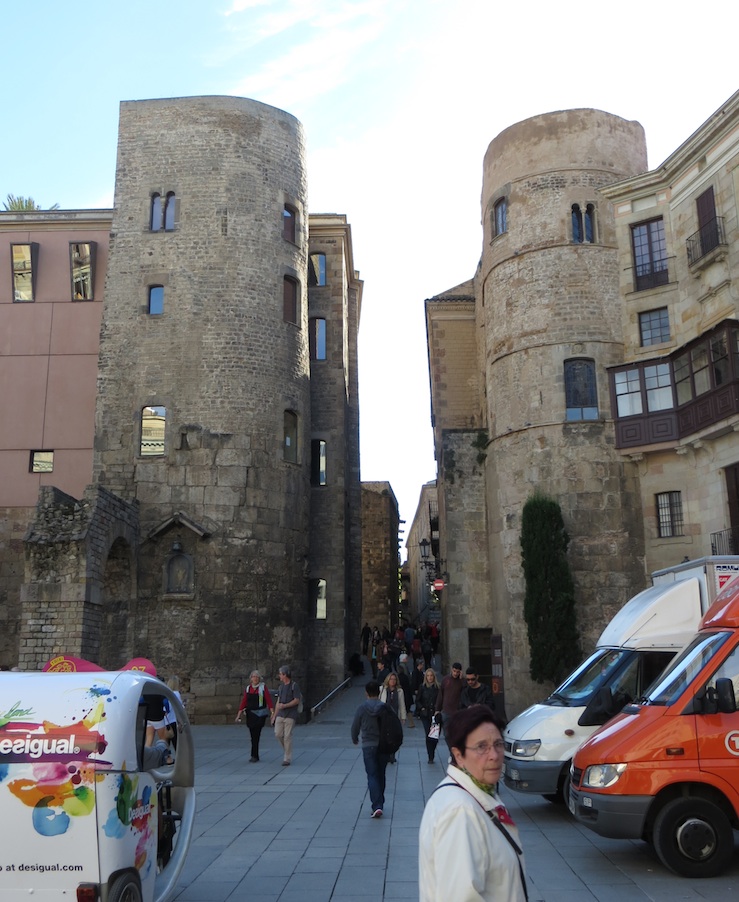
The next day sends us back into the Gothic core.  Repurposed Roman fortifications still form the outline of Barcelona’s ancient center.

Monumental gates

Monumental gates

But we came for wine.  Luckily, excavations under Barcelona’s modern streets found just that: a Roman winery from the third century.

The winery spreads over 600 square meters and preserves each step of Roman wine-making. Let’s start with one press:

Here’s a transfer tank with an overcomplicated, gravity-feeding system:

From these spaces, fresh grapes juice would run to cement-lined fermentation and settling vats:

Finally, wine would be transferred to a cellar full of large ceramic dolia or pithoi:

Underground, the vessels would remain a cool constant temperature, aging, and seeing a barrage of additives before being shipped throughout town or beyond.  Roman wine likely tasted nothing like today’s purity obsessed drink.  Imagine something more akin to chai tea: full of spices, stabilizers, and sweeteners.

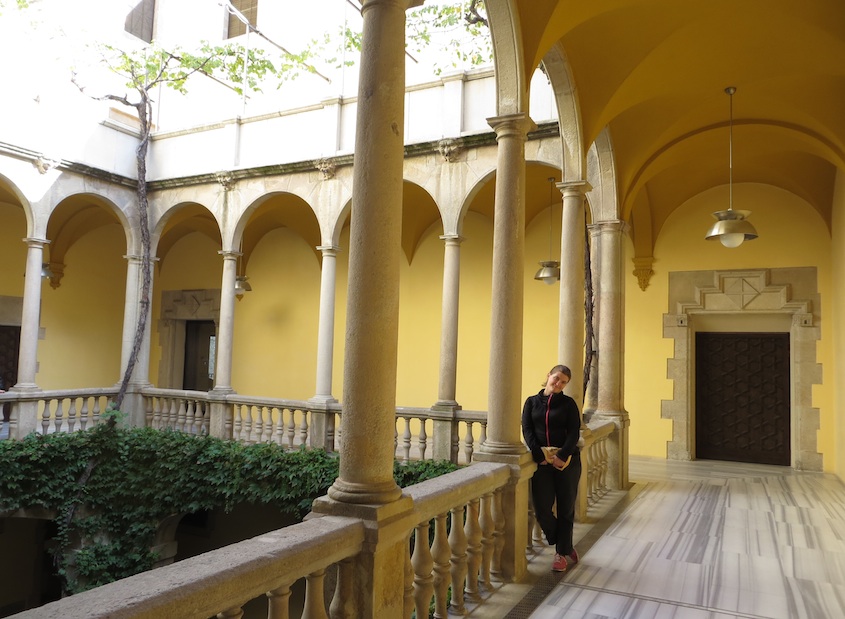
Back above ground and in “modernity”, dark medieval alleys open to beautiful courtyards, trellised with vines:

Barcelona Courtyard

Spilt sun

We even find a Temple of Augustus in a club hallway:

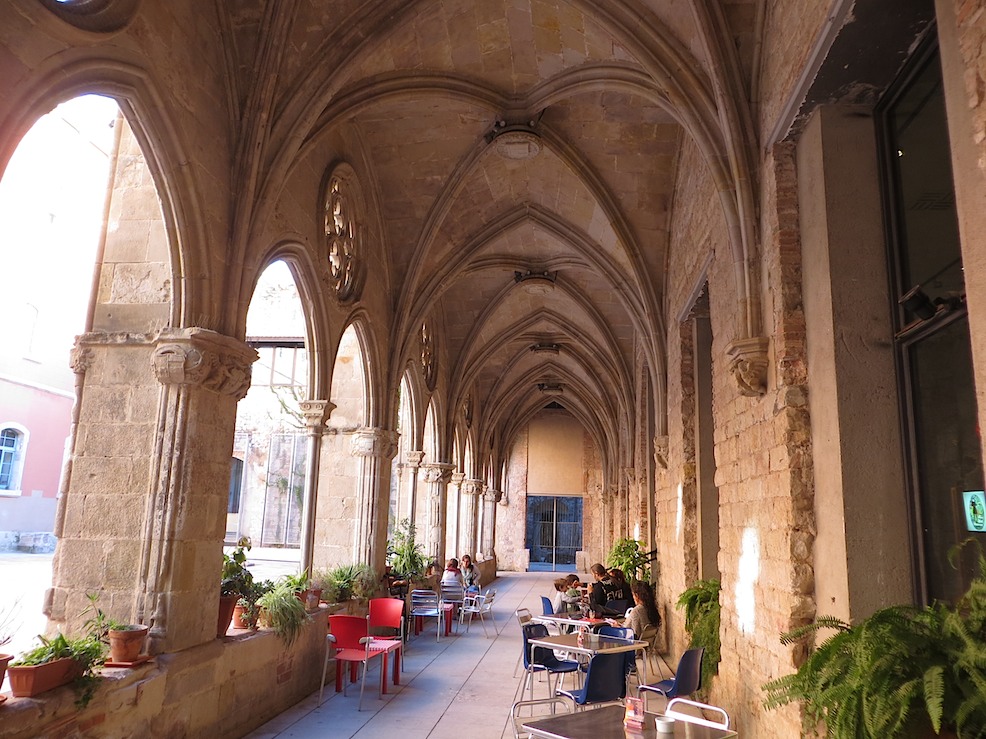
Temple Of Augustus BarcelonaBarcelona’s Gothic core is a fascinating mess of history.  The present’s endless reuse of history allows one, for free, to walk through this living museum.  To even sip coffee in cloister:Medieval Coffee BarcelonaxExhausted after hours of meandering into temples, churches, cloisters, and the like, we discover Barcelona’s best wine shop: Vila Viniteca:

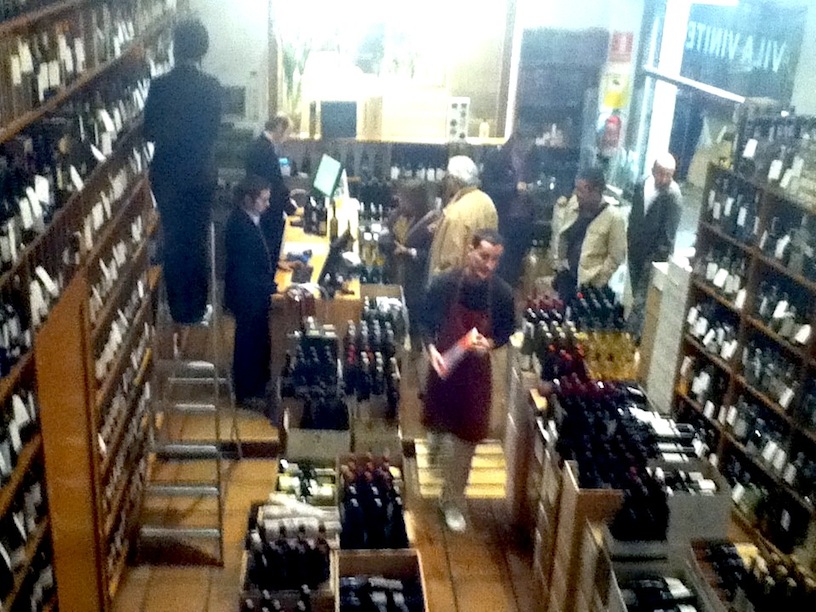
Vila Viniteca Barcelona

Late night ipod photo…sigh

The walls ring with bottles of fabulous-ness:

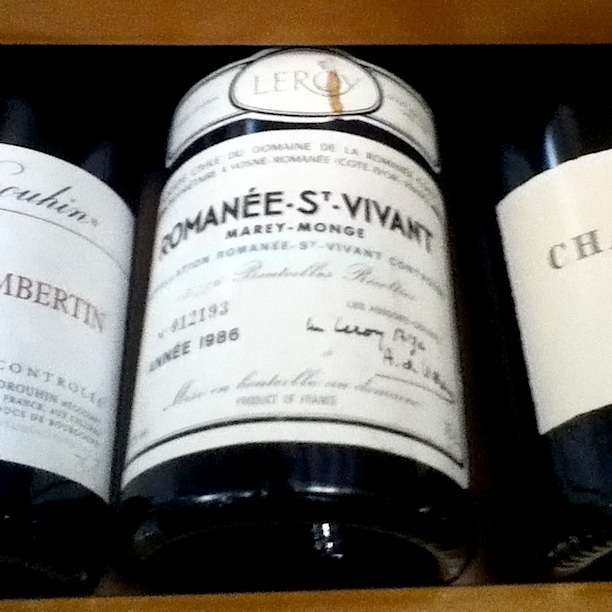
Only Burgundy's best Biodynamic producer and 1986!

Only Burgundy’s best Biodynamic producer and 1986!

But this being an Austerity Drinking Tour, we close the night with a rare (but reasonable), vintage Cava.  Llopart organically grows 230 mountainous acres not far from Barcelona in the Penedes.

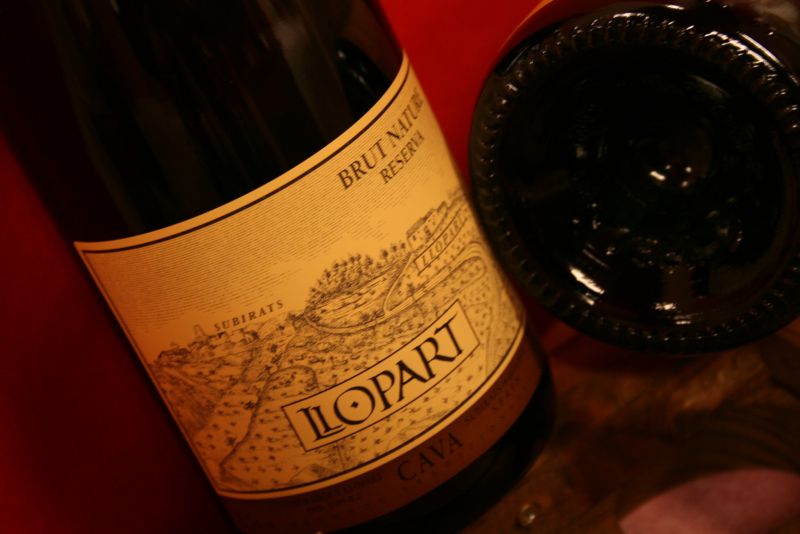
Their Brut Nature Reserva, Cava, Spain is vintage 2008 and a mere 10.10 Euros

llopart Brut Nature Reserva Cava

It looks a clear, mild lemon color, with small bubbles. Young, calm aromas smell of white pear, lemon and lime.  This being a Brut Nature, no sugar is added, so it is dry, tart, and lighter than most fizzes.  Med intense flavors of chamomile, lemon and lime juice, and soft pear last for medium length.

Overall, Llopart’s 2008 Brut Nature is a very good (4 of 5), naturally produced Cava.  It is extremely lean, with rapier-like acidity, which makes it massively refreshing: the perfect cap to a sunny day in bewildering, ancient Barcelona.

Posted in Uncategorized | Tagged , , , , , , | 3 Comments

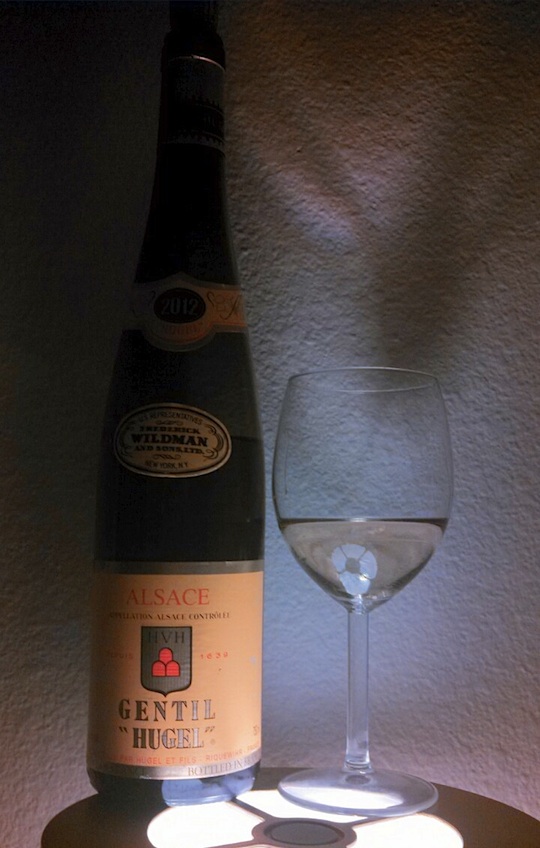
Thirsty Thursday: Hugel, Gentil, Alsace, France 2012

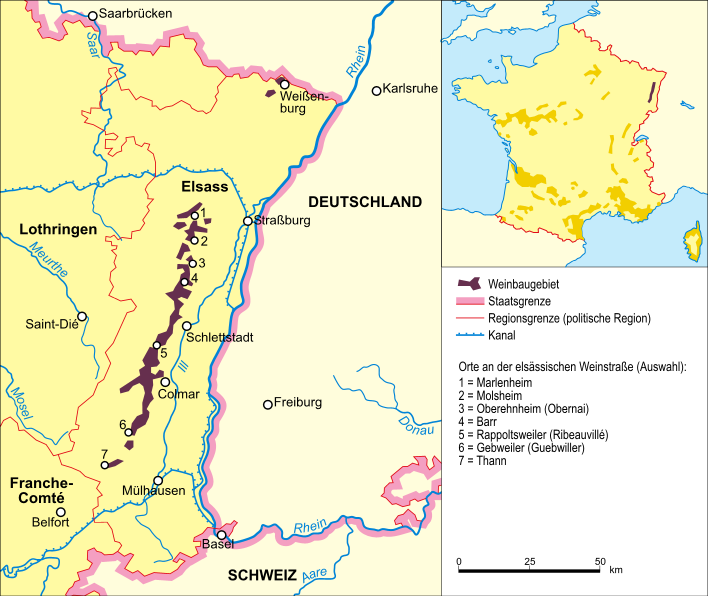
Bordering Germany lays Alsace.

A German map!

A German map!

In 75 years, Germans and French swapped the region four times.  The wines share this borderland mentality where Francophone varieties like Pinot Gris, Blanc, and Noir touch vineyards of Gewürztraminer, Riesling, and Sylvaner.  What better introduction to this melting pot than a blend, the only blend from one of Alsace’s largest, but oldest (1639!) and most respected producers: Hugel et Fils.

Hugel Gentil Alsace 2012They call it “Gentil”.  But it is not gentle, nor not Jewish.  Gentil instead refers to noble grape varieties (not Concord).  So only those grapes worthy of quality wine in Western Europe go in.

This Thirsty Thursday mixes Gewurztraminer 14%, Muscat 2%, Pinot gris 23%, Riesling 20%, Sylvaner & Pinot Blanc 41% in hopes of creating a sum greater than its parts.

Now the early summer of 2o12 was miserably wet.  But a hot August led to a fabulous harvest in late September.  You can thank the Vosges mountains, which protect Alsace from rain, making parts of it the driest in France.  For the climate in Alsace is both extremely continental and marginal: very cold at night and warm during the day.  These extremes mean oodles of acidity, low alcohols, and endless refreshment.

But how does cross-culturarlism translate in the glass?

Appearance: A clear, mild color of lemon lime.

Aroma: Pure honeydew melon, white rose, a slight lychee, ginger, and lemonade.

Palate: Medium sweetness appears, disappears, and then resurrects itself on the finish.  Like Jesus, if the cross was acidity, and Christ 1.3 grams/ liter of sugar.  Alcohol sneaks up on you at only 12.5%. A plump little, roly, poly body provides a pleasant core.

Flavors: follow a similar trinitarian framework: mellon upfront widens into kiwi, strawberry, and simple syrup, all of which prickle and vibrate into a finish of salt, ginger, and pulpy lime for a medium length.

Conclusions: Hugel’s 2012 Gentil is balanced, complex, a bit jangly, but of solidly good quality (3 of 5).  For around $10, it will open Alsace’s door to newcomers and roll out the carpet, while providing fans a daily glass they can respect (and afford on a regular basis).  Yes, Hugel exports 80% of what they produce.  Yes, they source grapes for this wine.  But, it is lovely, representative, and cheap.

Gentil will eat up appetizers, fish: especially sushi with tempura.  The minimal sugar will cool spicy dishes, from paella to thai curry. Cream sauces, Munster cheese, fondu or  oven-roasted game bird will fly with this zippy little drink.

Posted in Uncategorized | Tagged , , , , , , , , , , | 4 Comments

Touring Andorra: Where Gray is the New Black

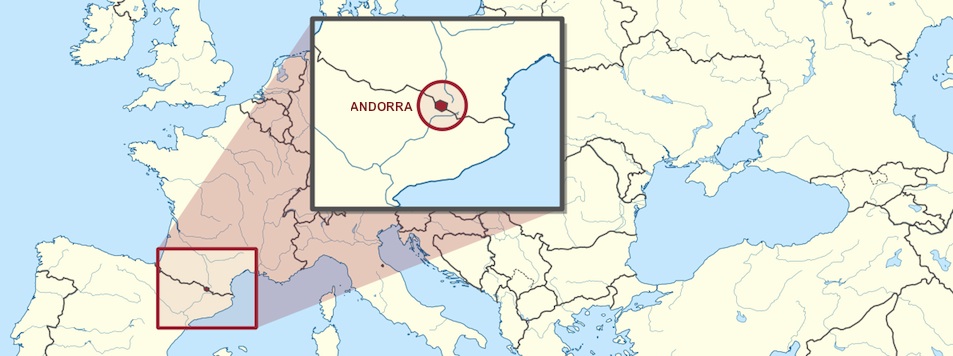
100 days of travel finds us in our first, real, shiny hotel.  We wake in Europe’s highest capital: Andorra la Vella: trapped between Spain and France.

Andorra in Europe Map

Andorra in Europe Map

Grape vines are scant, because mountains make up most of this tiny country. So our EU Austerity Drinking Adventure puts on its sober hat. We have a double bus tour today.

It climbs out of town, winding through ravines. We stop by a tiny stone church.

AndorraChurchOne

Adorable!

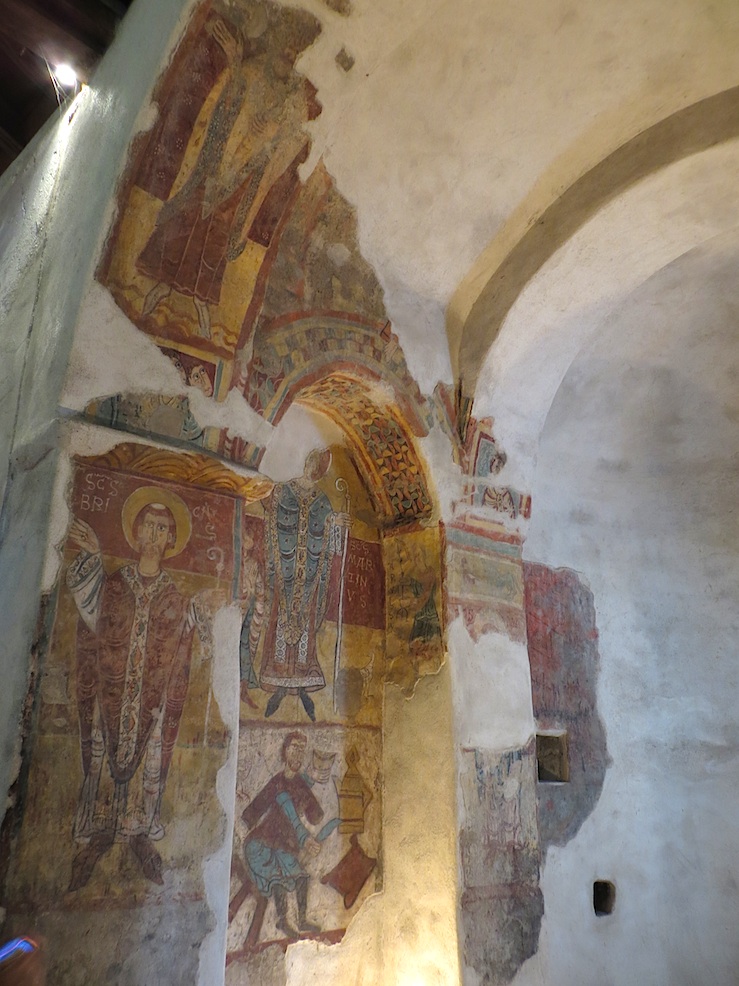
Inside we find gilt wooden altars, tiny pews, a mirco-organ, and ancient frescoes (most of which were purloined by the Spanish).

Vibrant!

Vibrant!

These humble Romanesque gems dot the country. A millenium ago, Charlemagne gifted Andorra its independence, probably because who wants to conquer a mountain.  Pride and religion intertwine its history.

We climb again, higher and higher.   A drab, ancient village clings to a cliff with another Romanesque bell tower.

Colorful...no. Old...yes.

Colorful…no. Old…yes.

We rise above the cloud line.  The air thins and soon we reach a peak of the Pyrenees.

Short of breath but happy.

Short of breath but happy.

Ski slopes paint the other side of the slope, which sees thousands of Eurotrash tourists with off-shore accounts hidden in this tax haven:

We tumble into another town to tour a well-to-do merchant home and cultural center.

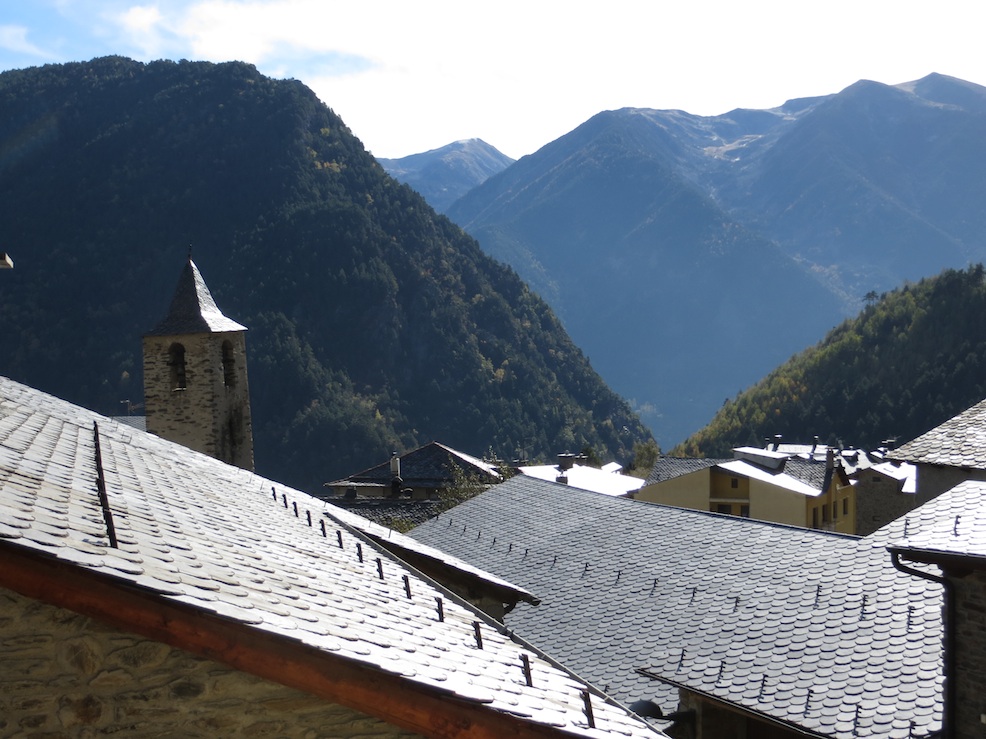
Andorra Mountains And Rooflines

Peaks of roof-lines and Pyrenees

Although a breathtaking place, centuries rolled by and nothing happened here.   People just lived their modest, devout, and slow toiling lives: much like their slate roofs, stone flagging, and seas of sheep.  They are neither French nor Spanish.

Next, we stop by an ice-laced lake.

AndorraIcyLake

Creepy and cold.

The story goes that Jesus visited a rich village dressed as a beggar.  People mocked and beat him.  So he dumped this lake on them.

Thoroughly creeped out, we visit an even more petite and ancient church.

Adorable!

Adorable!

Its phallic bell tower compensates for a chapel no bigger than some closets in Los Angeles.  An apotropaic head at the tower top fends off evil:


Also creepy.

Also creepy.

but it also watches over the most spectacular view of its capital.

Tracy Andorra La Vella View

Dizzying.

Our driver senses the tour’s end.  We fall back into town insanely fast.  Once we cross the city, another church emerges between warehouses.

Grey was the new black back then.

Grey was the new black back then.

This one flaunts the oldest and only surviving round bell tower.  Round? I say! Those ostentatious city-folk!  Sadly, Spain stripped the interior frescoes here as well.

We wind the evening down with a few decent bottles of Rioja (Faustino’s 2004 Familia tastes spiced and peppery, floral and dried-berried, like drinking in a woodland).

After absorbing so much, mostly grey-colored, culture yesterday, we opt for a nature hike.  Locals smile and great us in their calm, cool way.  We criss and cross higher between barely hanging homes.  Their terraced gardens fill with produce, and what seems to be Muscat (used in local cheap brandy).

Grapes

Grapes

Finally the trail levels along the middle of the cliff.  We reach the capital’s Southern edge after a few hours.

Luckily it wasn't windy.

Luckily it wasn’t windy.

We head back into town and luckily avoid buying anything from the endless designer watch shops.  The pyramid temple of hot springs tempts us but costs too much.  With dusk, the smell of roasted hazelnuts fills the manicured streets.  Andorra is an amazing, strange, sometimes dull, but pleasant country.

We could not ask for a better palate cleanse before heading into Barcelona.  Check back Monday for that!

Posted in Uncategorized | Tagged , , , , , , , | 2 Comments