Thirsty Thursday: Arneis, Seghesio, Russian River Valley, CA 2012

Spring has sprung, at least where I live.  Time calls for an odd, snappy white.

The grape in question is Arneis: roughly translated, it means “little ass”.  Either the vine is a pain to manage, or the resultant wines tastes just as prickly.  Etymology aside, the grape comes from NW Italy’s Piedmont.

piedmont porn

Piedmont Pornography.

Folklore claims Arneis drew birds away from the prestigious Nebbiolo vines of Barolo and Barbaresco.  It made for a decent white.  But once wines became 100% Nebbiolo, Arneis disappeared.

While Arneis declined in Italy, the Seghesio family left the Piedmont and started planting Californian vines in 1895.  By 1992, Pete decided to plant Arneis.  He had started to up their game with hand-harvesting and small lot batches.  No longer jug wine, Seghesio’s Zin and Sangiovese were garnering respect.  But Arneis was a risky throwback.  26 vines remained more than any in the US for years.

Today, 8 acres of Russian River Valley, Sonoma County real estate fill our glasses.
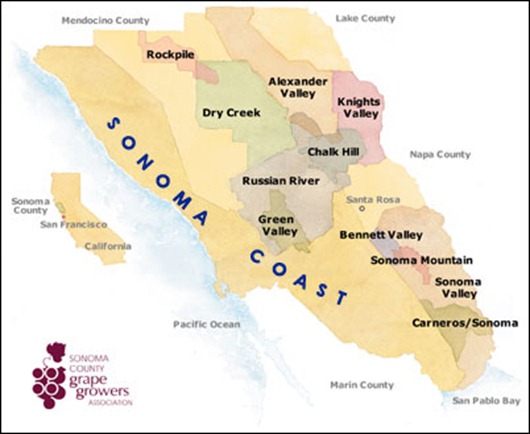
Sonoma-Wine-MapThe Russian River garnered fame for vibrant Chardonnay and Pinot Noir.  Why?  Because chilling, wet, coastal fogs swoop up it at night, slowing ripening, and pushing harvests into October (while the rest of California prefers August).  Grapes from cool climates, like Italy’s Piedmont, should do well here.

Let’s see what the slightly warm-ish 2012 produced.

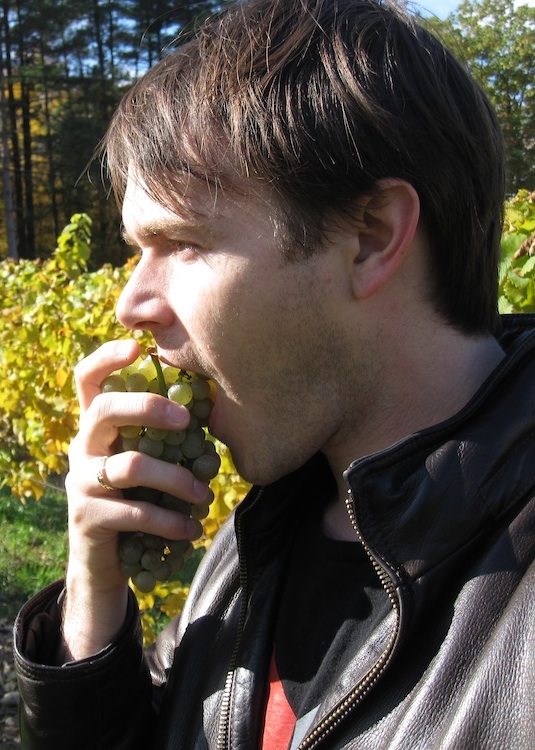
SeghesioArneis2012

Springing!

APPEARANCE: It looks a clear, pale, lime color, with a slight pearl of effervescence.

AROMAS: White flower aromas pour from the glass, as do white pear, almond, and honeydew melon.  Apricot, hay, and salt hide a layer beneath.

PALATE: The palate feels taught and dry yet voluptuous.  Bright apple acids cut into a pillow-ripe melon of medium body.  It is confusingly pliant yet serious.

FLAVORS: Flavors layer one atop another like strands of different-colored silk: again white melon, almond, and pear.  A prickly undercurrent of citrus pith and slate-like mineral makes this serious stuff.  Then somehow, young strawberry shows on the finish.  The length is long and insistent.

Seghesio’s Arneis is very very good stuff (4 of 5).  It tastes complex and intriguing, yet remains dangerously appealing.  For around $20 or under, Spring has already arrived.

Now yes, like many Californian icons, in the face of global competition and future inheritance taxes, Seghesio sold to Crimson Wine Group in 2011.  But luckily, Crimson kept their fingers out and have allowed the family to remain entrenched in vineyard management and wine making.  The wines remain stellar and unaffected.

Posted in Uncategorized, White | Tagged , , , , , , , , , | 1 Comment

St-Émilion Part 3: Macaron Sweets and Panoramic Treats

Extracted from St-Émilion’s underworld (last post), our EU Austerity Drinking Tour continues above ground.  Too sick to drink, we wander.  Gates and walls gird every corner of this hill-town.

StEmilionGates

No invite.

You almost expect a bouncer with sunglasses to stand there.  But when each bottle costs a thousand bucks, these vines become too valuable for tourists to traipse through and take selfies (#vineyardselfies).

St Emilion Sign

Only visible from your private helicopter.

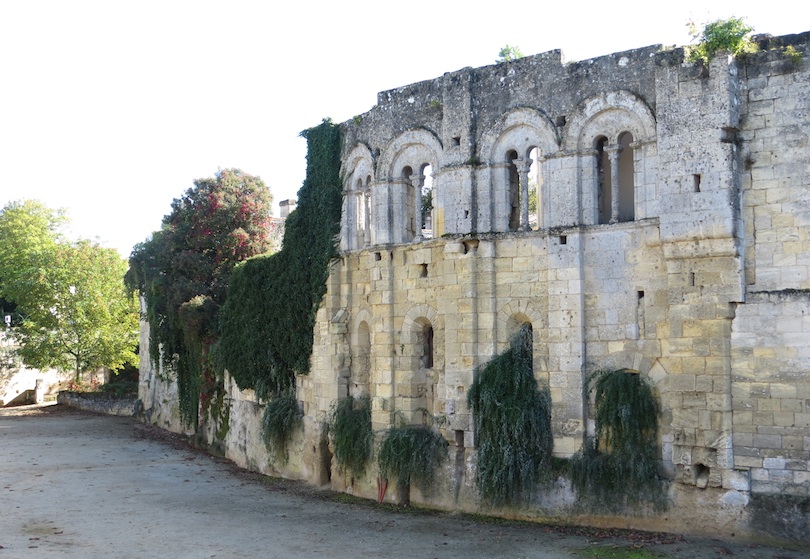
Almost bored by all the brilliance, we walk around another Romanesque ruin abutting another Grand Cru vineyard.

StEmilionRomanesque

It is almost monotonous.

But then, on the city’s edge, we also discover the birthplace of macarons.  In 1620, while Pilgrims were landing in Plymouth, this bakery started selling macarons.

FabriqueDesMacarons

Nom!

No.  Not those balls of shredded coconut.  Instead, think of almond flour, of Marie Antoinette, of fine china piled with multi-colored, multi-flavored, magical mounds.  This is where they began:

Macarons

What’s left at least…

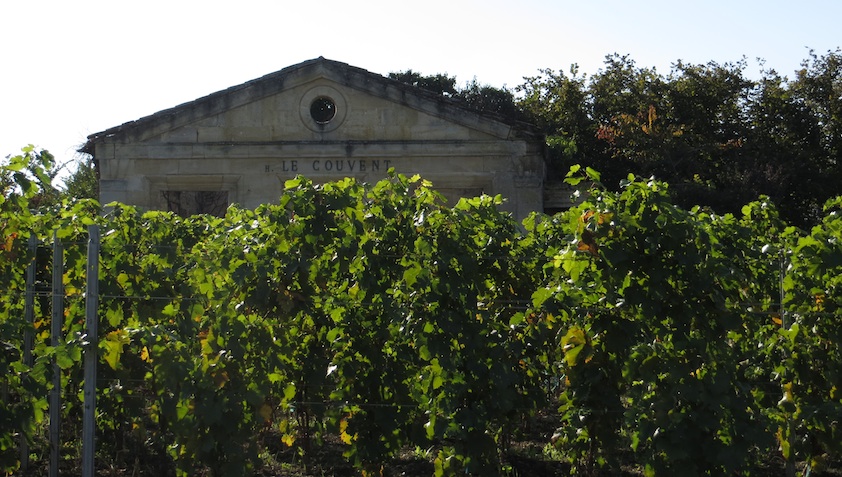
These are more than just cookies.  But to give these deserts their due, we head to the convent where they were born.

StEmilionConvent

Not the vines! The convent!

Obscured (unsurprisingly) by yet another vineyard, hangs the ruined convent that gave the world the macaron.

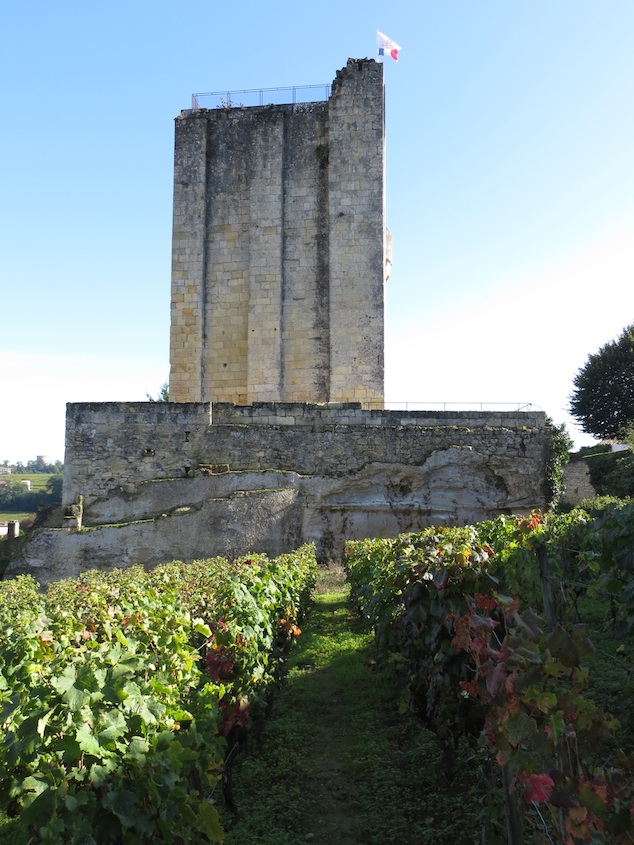
But we want a better look.  This will do:

StEmilionTower

Oh look! Another vineyard…

Through another vineyard, we crawl inside bedrock and head up the medieval stairs.

St Emilion Spelunking

Eyes adjust after a bit.

Once again, from the top.

But then what do they taste like Julia Child?  Here, in their autocthonous home.

Origins indeed!

Then, I remember this is a wine blog…

And for the sake of the view….

Drunk on sun and macarons, we stumble back into town.  I stop myself from buying Premier Grand Cru vine saplings:

StEmilionVineSales

Must. Resist.

We avoid bottles from extravagant wine shops.  For this glittering, limestone gem of a UNSCO city eats tourists.  Posh château owners hang out in posh bars impressing suited distribution CEOs.  Pale, plump German tourists point and photograph everything.

Before, religious pilgrims pumped money into the village, seeking salvation on their way to Spain.  Troglodyte tunnels became subterranean cathedrals.  That money fed macaron-making nuns and vineyard-tending growers.  The city becames desirable, traded hands, and even became British for a stint in the 1150s.

Today St-Émilion is a tidy time-capsule.  Modernity and money creep into its empty churches.  Endless green vines enclose it like a collar.  It’s an amazing place.

T&AStEmilion

Posted in Uncategorized | Tagged , , , , , , , , , , , | 2 Comments

St-Émilion Part 2: Above and Below

Today continues Monday’s EU Austerity Drinking Tour of St-Émilion: Bordeaux’s citadel to Merlot.  Flu still numbs our adventurers’ palates, so we opt for a city tour instead of wine.  The whole city is a UNESCO site, so why not?

We pass more wine-shops than people.  The Roman “Cadene” Gate begins our slippery descent into the ancient core.  It is a hodgepodge of eras with a home from 1291. *meh!*

StEmilionRomanGate

House of the Cadene

We stumble past our less adventurous tourers, nearly falling in our rush.  Then we mass into a small pocket: i.e. town square.  An ancient market gapes to our left.

StEmilionMarket

Glorious shade!

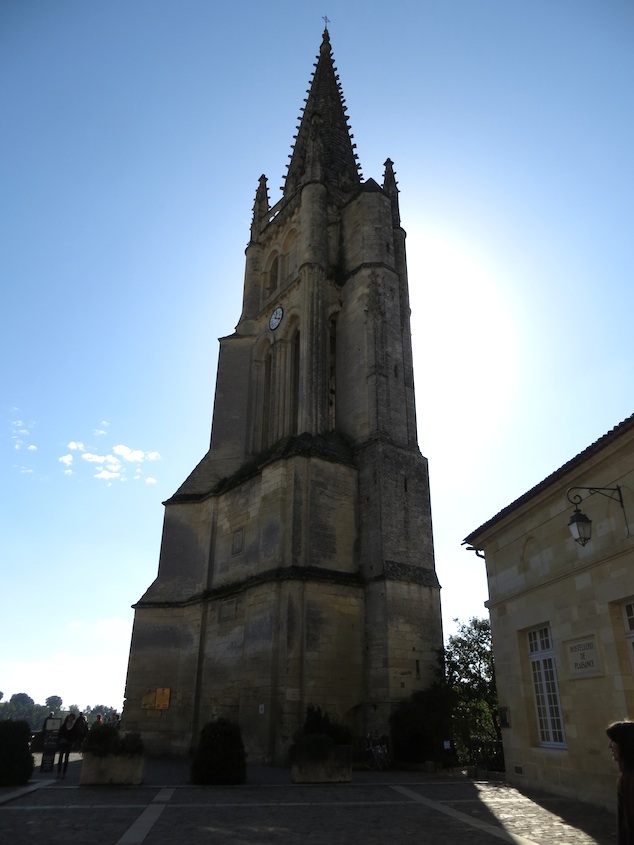
But instead of shade, we get to squint up at the sun-bleached bell tower: all 53 meters of it.  To get a feel for this reverse Vertigo: imagine Cary Grant doing a head-stand.

StEmilionBellTowerCaveChurch

Dizzying.

We look down to find out those head-level windows are the ceiling of the monolithic subterranean church.  So we’re standing on a roof.  Oh yes, we’re going in.

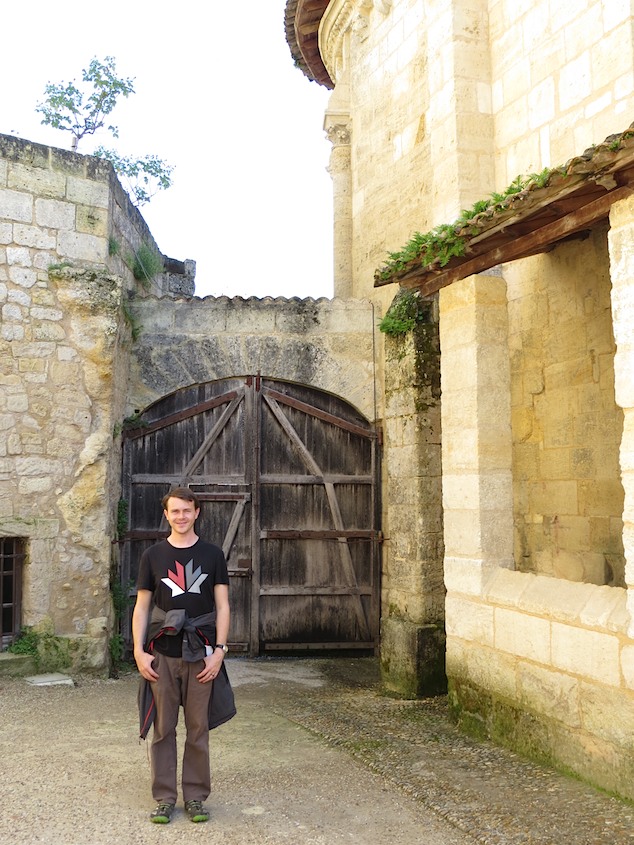
St-Émilion capitalized (both figuratively and financially) on medieval pilgrims stopping on their journey to Santiago de Compostela.   It didn’t hurt to have a sainted hermit: Mr. Émilion himself.  Here is the chapel (right) built over his hidey-hole:

ChurchToSaintEmilion

Not Canadian, I just like the shirt.

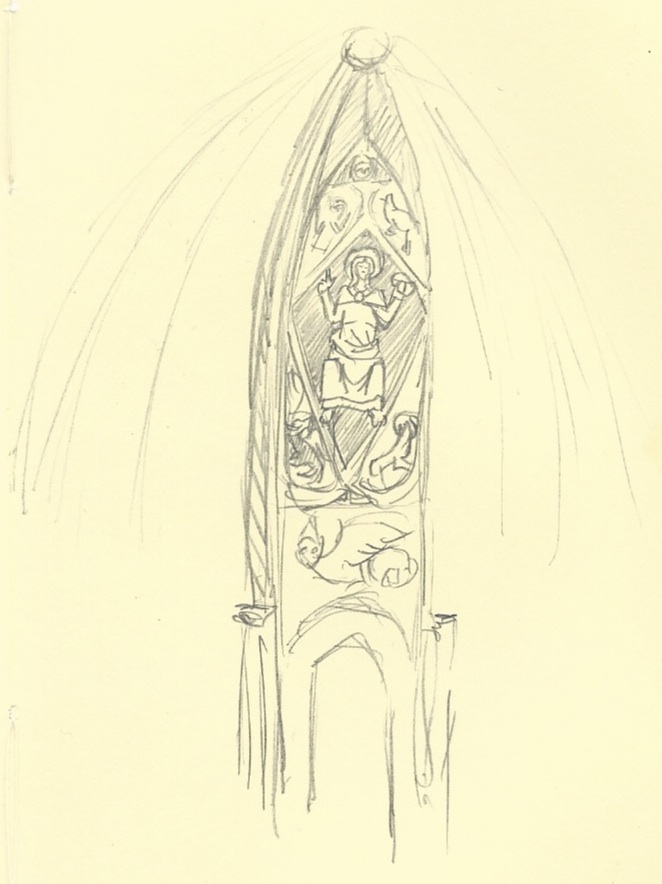
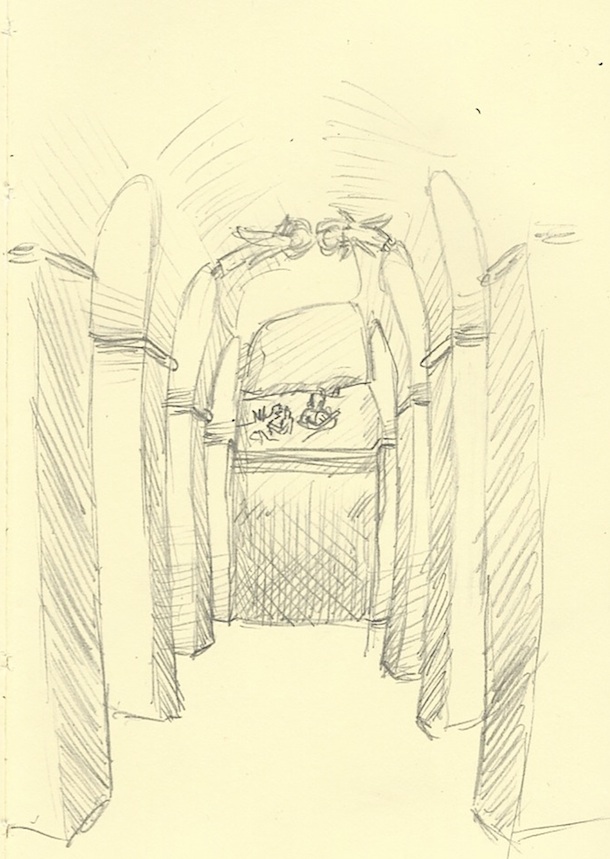
Once underground, no photos are allowed.  So I furiously sketch what I can.  Eyes adjust to the cream glow of the Chapelle de la Trinité: charming, small, with pastel-pale 14th century frescoes.

StValerieStEmilion

Orbi et Urbi

But we dig deeper.  We descend to our saint’s hovel.   The spring that sustained him still drips.  A statue of Valerie: patron saint of vines (yes vines) looks blankly on.  She could use a drink.

Further on, darker, damper, we trip over wet stones.  Then a shaft of light cuts through a black vault.

AlienStEmilion

Flying saucer?

A massive vault cuts into bedrock and up to the sky. Around the portal, cropped alien torsos stretch arms as if in mid-resurrection.  Catacomb tombs line the wall like built-in bookshelves.

Then we shuffle into the Monolithic Cathedral.  The only light casts from those market square windows we saw earlier.  It is surreal and massive.

Monolithic Cathedral

A pale reflection.

15,000 cubic were cut for it.  Those arches reach 20 meters high.  A Brachiosaurus could casually walk around.   And then strange carvings line the walls: angels, demons, animals.  All of which became meaningless when the French Revolution turned it into a factory.  Progress!

Standing here, it’s hard to believe that that 53 meter bell tower presses directly above us.

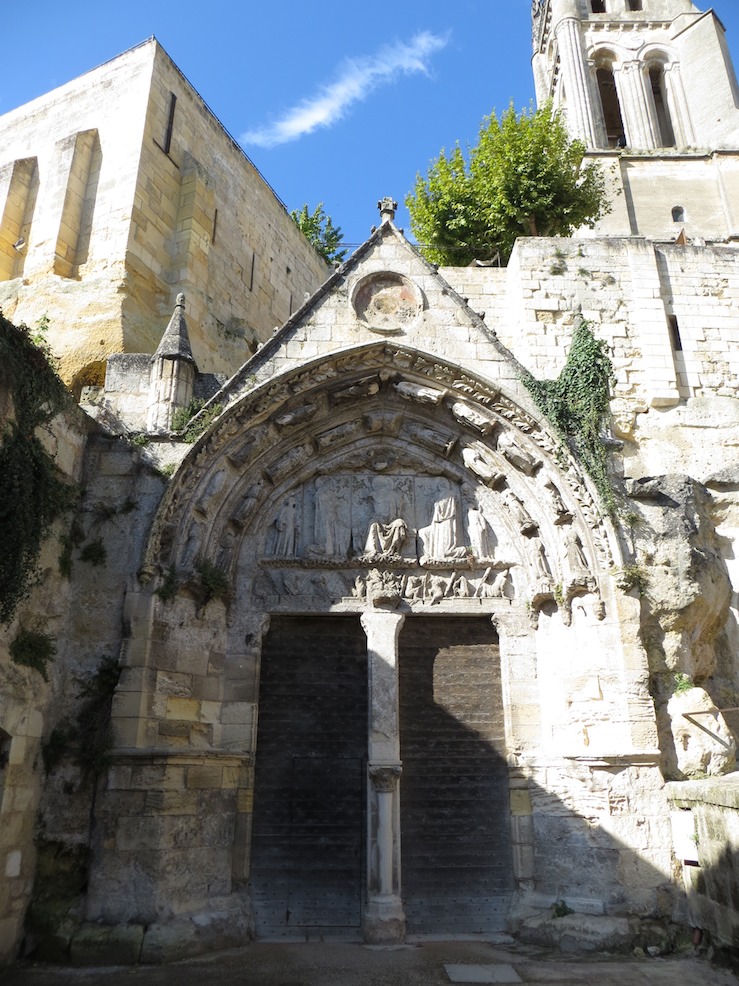
Back out to the sun’s blare, with tour over, we stare back at this strange collage of limestone.

St Emilion Monolithic

Bleached magnificence.

Our St-Émilion adventure continues next post with a sweet discovery and vinous discussion.

Posted in Uncategorized | Tagged , , , , | Leave a comment

St-Émilion Part 1: Bordeaux and Merlot’s Vinous Sea

This Monday’s EU Austerity Drinking Tour sends us to St-Émilion: right bank home to Bordeaux’s greatest, Merlot-based reds.

BordeauxTrainStation

Waiting…

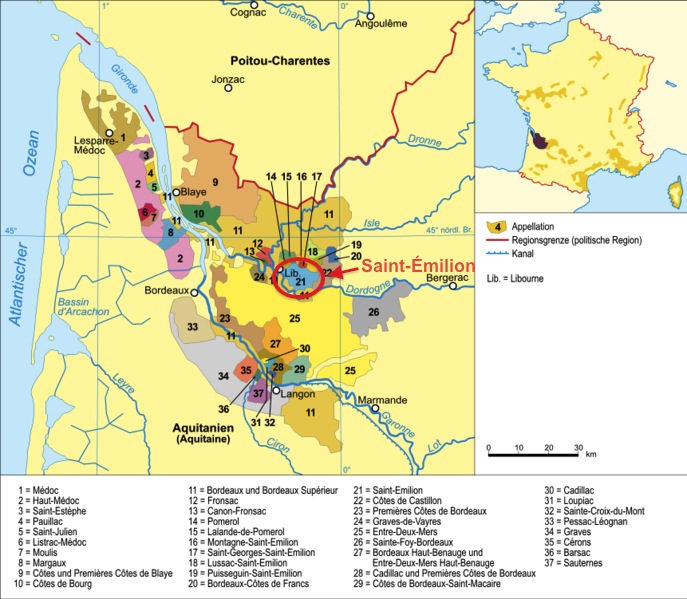
After some credit card, train-related malarkey, we leave the city of Bordeaux and cross into Entre-Deux-Mers.  This flatland is Entre-Deux-Mers.  As its name implies, it is the land “between two seas”: the Garonne and Dordogne Rivers.  It’s a great region for value Bordeaux.  But our aim is Saint-Émilion, hanging over the Dordogne’s right bank.

Bordeaux Wine Map

From Bordeaux across that yellow splotch to St.-Émilion..

Then we cross the Dordogne River:

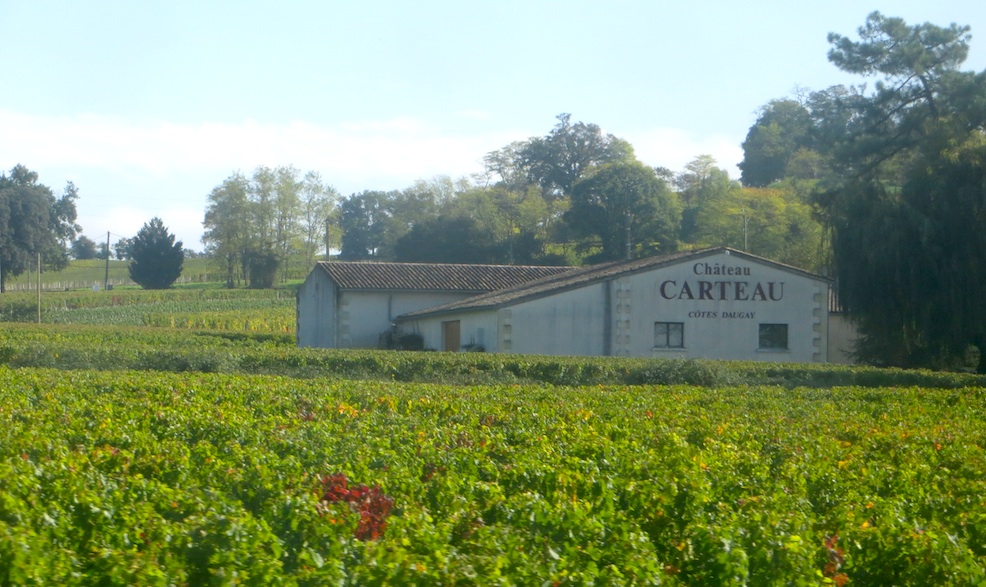
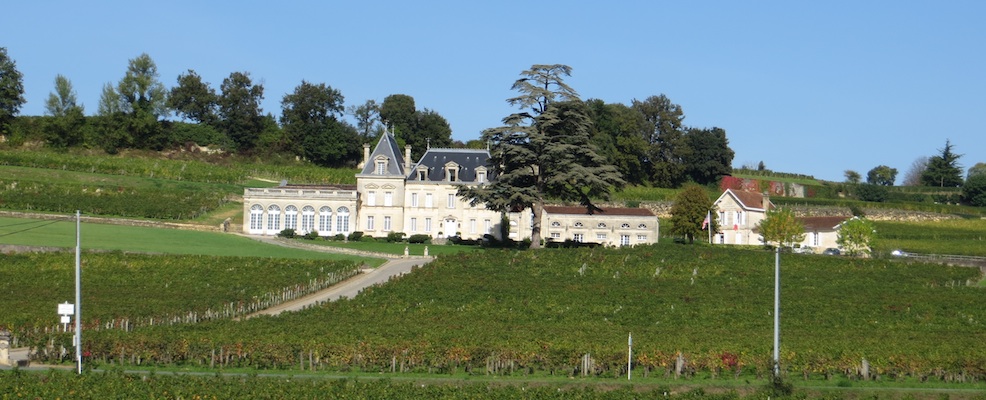
Soon, châteaux actually start looking like Châteaux and not somewhat homely barns.

BarnChateau

Not so fancy.

StEmilionChateaux

That’s more like it.

Landed, we leave the train with a few other tourists.  One road points to town.  Our march uphill begins.

It is hotter here.  The Atlantic has less influence.  Merlot must love all this sun.  Then our legs remind us this is a real hill.  We had it easy on the flat, gravels of Graves, Médoc, or Entre-Deux-Mers.  St-Émilion sits on a cliff of sandstone, which, like the Loire, makes for wine caves:

Ancient vines cover every inch.  Each micro-lot seems to have their own winery.  This green sea bristles from the recent harvest.

Vineland

So much green!

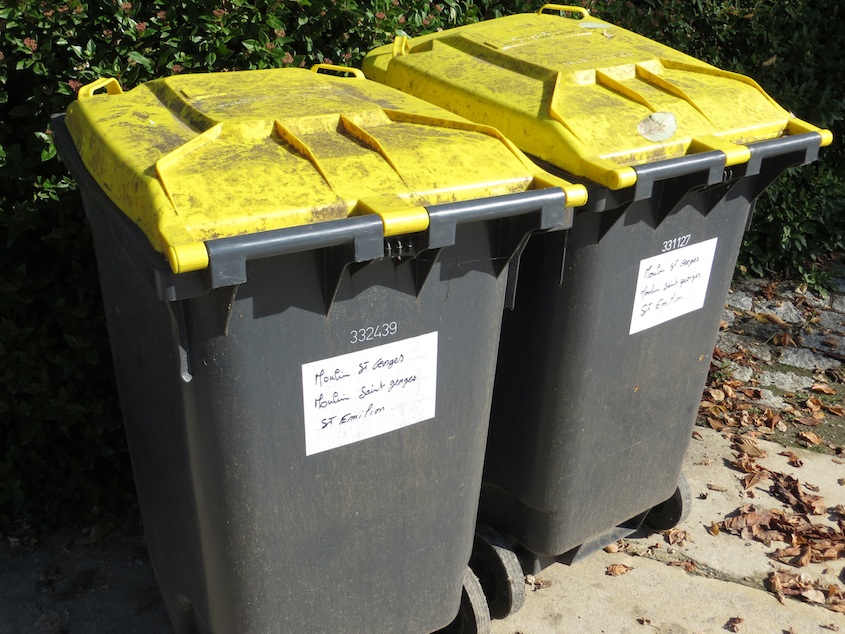
Before we get too poetic, the magnificent trashcans of Château Moulin St Georges bring us back to earth:

MoulinStGeorgeStEmilion

Even top class wineries need a dumpster.

More climbing. Vines give way to a medieval city of bleached stone.

StEmilionStreet

Feeling like a donkey cart about now.

Still more climbing.  Finally, we reach the church-littered top.

BellTowerTopStEMilion

Gods!

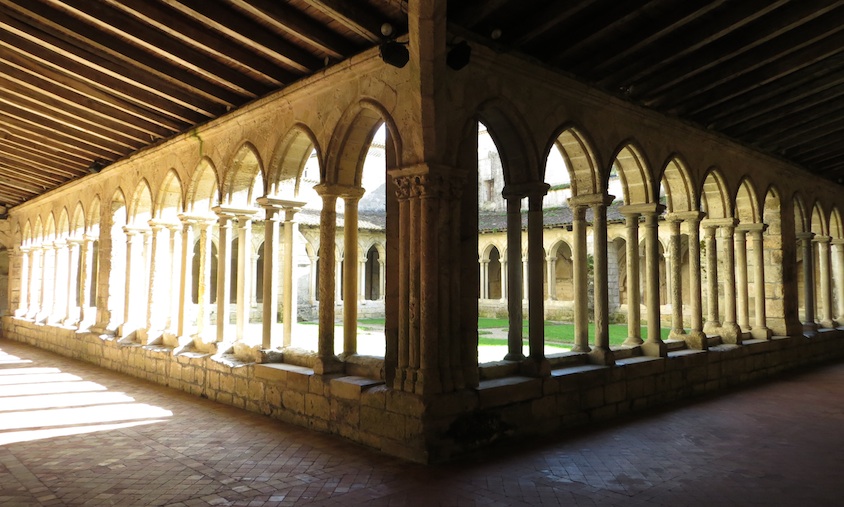
The Visitor’s Center opens in thirty minutes.  So we cool off in its cloister (yes, the Center is in a church).  Tourism is the new religion.

StEmilionCloister

Lovely.

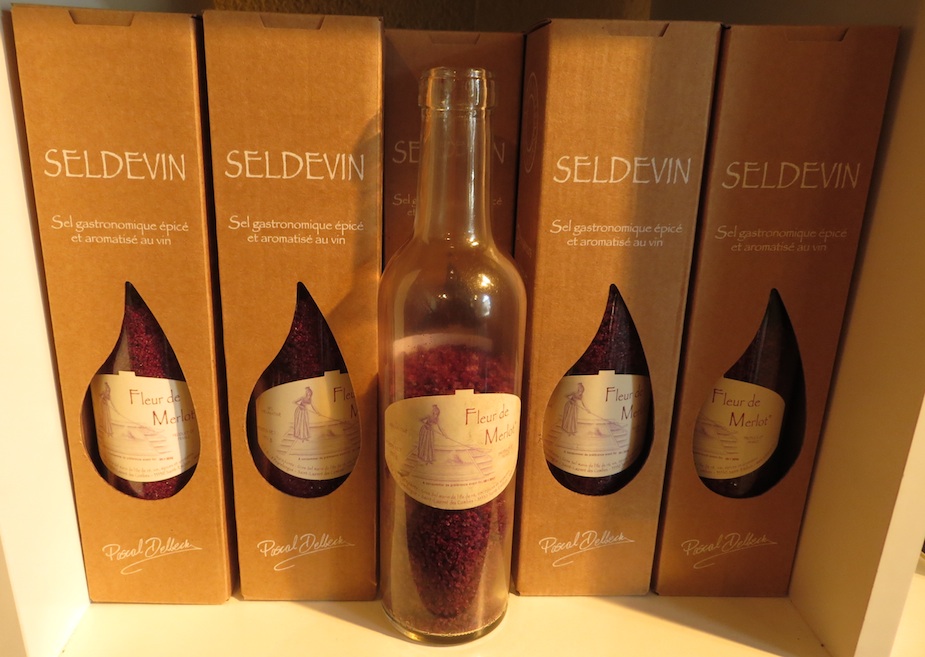
Once we book a tour, the gift shop assails us with Cabernet soaps, Cab Franc candles, and Merlot salts:

MerlotSalt

Tasty?

But check back Tuesday as our exploration of St-Émilion continues with cave churches, macarons, and spectacular views.  It is too late to keep posting.

Posted in Uncategorized | Tagged , , | 2 Comments

Thirsty Thursday: Château La Roque, Pic Saint Loup, Languedoc, France 2010

Thursday: it is neither Wednesday nor Friday.

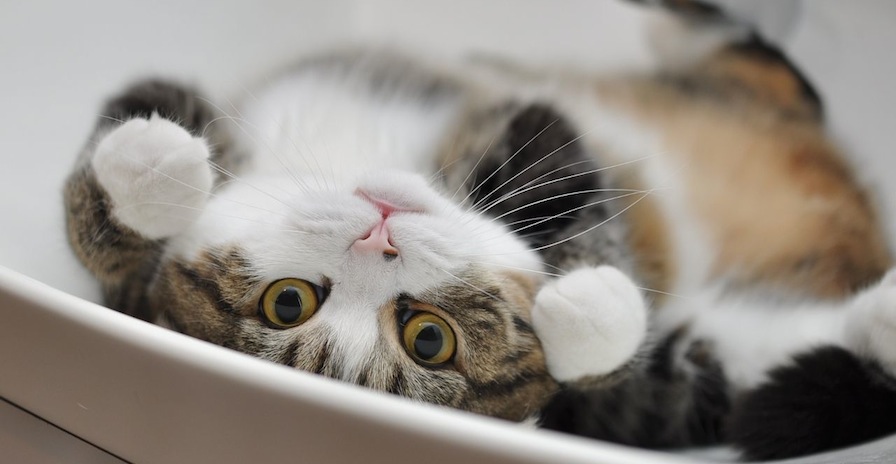
For the employed, work still binds your thoughts.  A distant weekend glows but faintly.  Internet cat porn provides a fleeting, albeit empty distraction.

maru

Awww!!! And yet, my heart is hollow.

Such a lost weekday deserves a decent drink: something real but not demanding.

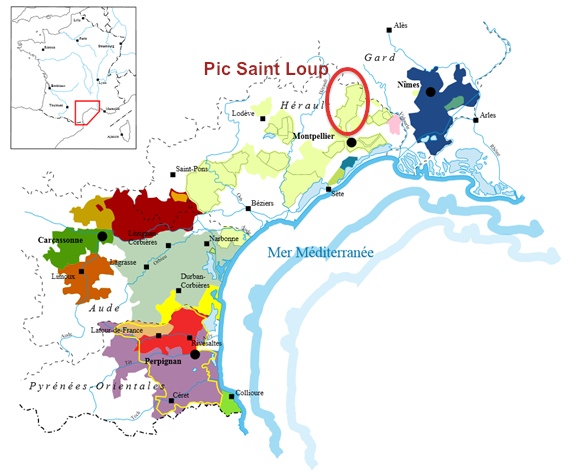
Enter Château La Roque.  Winter still grips us, so my palate races to the Mediterranean: specifically to Pic Saint Loup in the Languedoc:

loup3

Jutty!

Vines surround its eponymous mowhawk-mountain, Pic Sanit-Loup.  The warm sea and cool plateau inland traps this region in a sort of goldilockian limbo.

languedoc-wine-map-b

Just North of Montpellier.

Vines here manage a happy balance of growth and restraint.  A combo of clay and limestone soils keep just enough water for them.  A south southeastern-facing slope keeps just enough sun smiling on them.

But the human element raises this to wine.  Since 1259 (yes, 1259) la Roque has made wine.  Viticulture is now biodynamic and organic thanks to Jacques Figuette, who realized predecessor Jack Boutin’s dream of perfectly and minimally growing traditional grapes: Grenache, Syrah and Mourvèdre.  Hands do the picking and de-stemming.  The juice ferments in gravity-fed, temperature-controlled cement and stainless steel tanks.

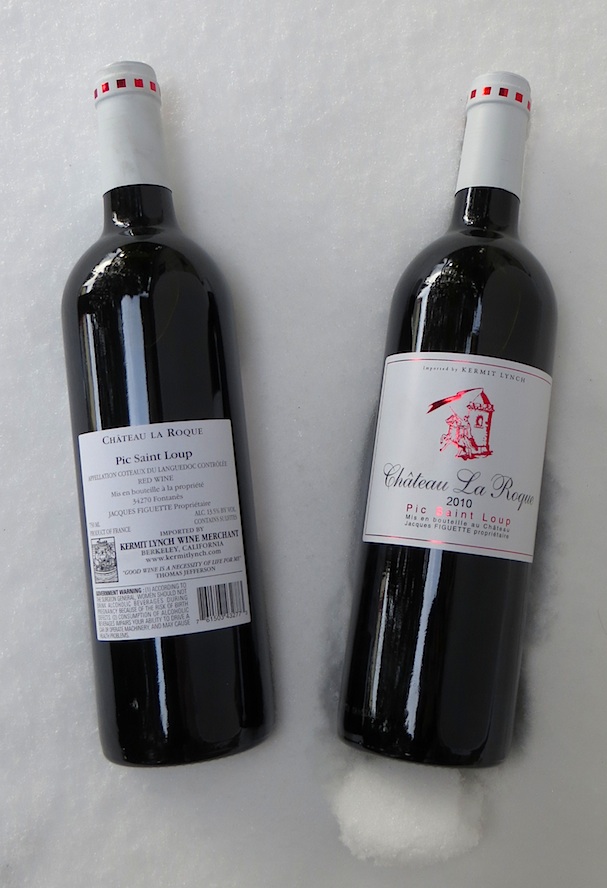
So, to cut tonight’s cold and Thursday’s numbness, we open La Roque’s 2010 Rouge.

Chateau La Roque 2010 pic Saint Loup

Chilly twins.

Appearance: The glass fills with a dark cranberry ruby, short clear rim, with stretching legs.Aromas: Clean, round scents of mocha, cherry, and cranberry syrup push their way through a light, thin frame of herbs de provence, vanilla powder, and musk.Palate: This feels assertive but not too serious.  Moderate acids freshen it.  Dusty tannins keep gums awake.  13.5% alcohol is just so.  The body too, is just there, pleasant.  It has balance that few wines have. Flavors: Nice, chewy ripe red and purple fruits lead to a slight dried prune, and roasted herb finish of medium length.  La Roque’s 2010 Pic Saint Loup very good (4 of 5), not great but so versatile we don’t care.  It will work with most food or without.  Age it or don’t.  It won’t mind.
Really, it fits like your favorite jacket.

indiana jones

Like a glove.

It makes you feel cool.  You wear it far too often.  Once on, you forget it is there like a second skin.  But when it’s gone, you know.Luckily, you can buy another bottle for $15 to $20.

Posted in Uncategorized | Tagged , , , , , , , , , | 3 Comments