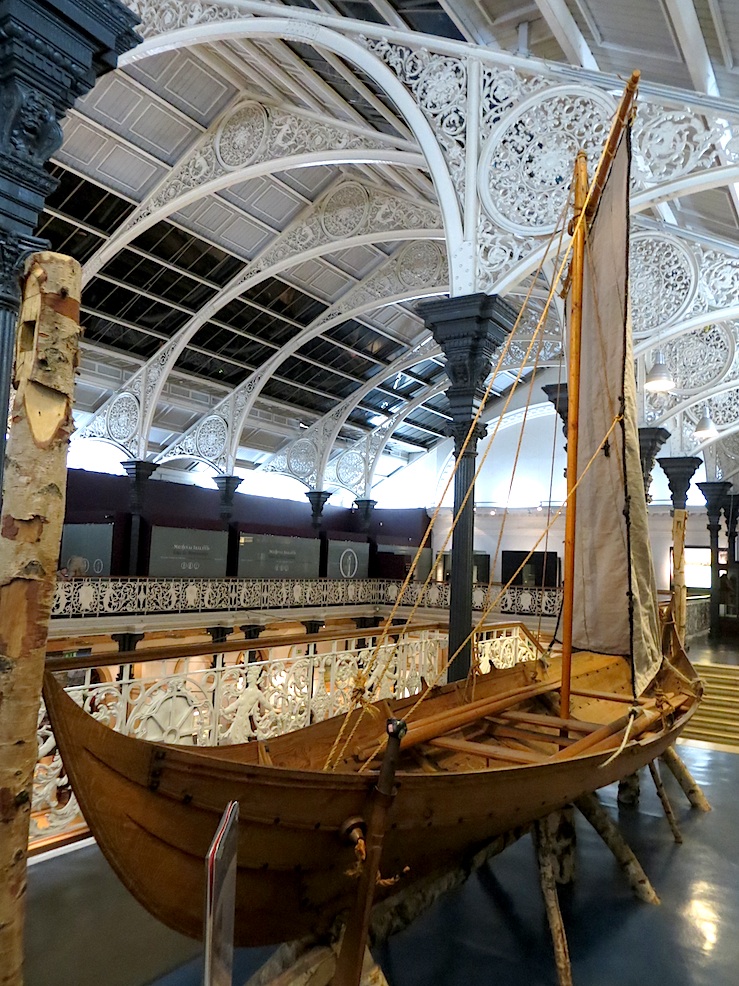
VERTICAL(ISH) TASTING: Veuve Clicquot 1953 Vintage; 2008, 2007, 2004, 2001, 1990 Yellow Label

Veuve Clicquot Yellow Label represents one of the most recognizable Champagnes in the world: not exactly a Wayward Wine.

veuveYuppiesPolo

Above, my second most worst nightmare. Number one: felt.

Polo-watching yuppies love it.  It is part and parcel of the fashion-opoly: Louis Vuitton Moët Hennessy (a third of which Diageo owns).

Veuve Clicquot pushes 10 million cases, 90 billion milliliters, or 760 million flutes a year.  Its critics rightly wonder how such mass-production merits sweater-vested pretense or an average bottle cost of $53.
MadameClicquot

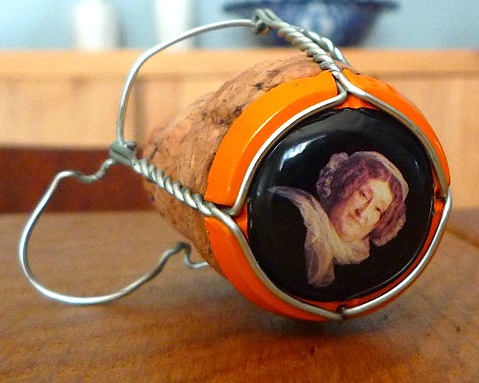
Grimmace? Smile?

But Veuve has always been this.  Even back in its early days of Napoleonic France, the widow (veuve) went after Europe’s trend-setters: the elite royalty of Russia, France, Germany, and the like.  Proof recently emerged in the form of shipwrecked bottles from the 1820s, trapped en-route to Czar Nicolas I (one bottle just auctioned for $43,900).

In addition to arbitrating taste, Barbe Nicole Ponsardin industrialized the dangerous production of bubbly.  We can thank her money for the riddling rack and other funding innovations that made champagne Champagne.

Out of spite, I have never (knowingly) drunk it.

But then I get invited to lunch with Veuve Clicquot’s winemaker, Pierre Casenave.  A magnum of 1953 would open, along a vertical comparison of other years.  Arm twisted.  Yes please.  Thank you very much.

I climb to a secluded, dimly lit dining room.  Stacked, orange light-boxes unknowingly glow of Halloween.

The 2012 release primes my glass with mild strawberry fruit, bitter pith, cream puff, and a fullsome, off-dry, please-all palate.  Of course people like it.

Trim, short Pierre, in his gray suit, pops up from his chair and all too casually walks through an introduction.  He knows he is better than us but too polite to rub it in.

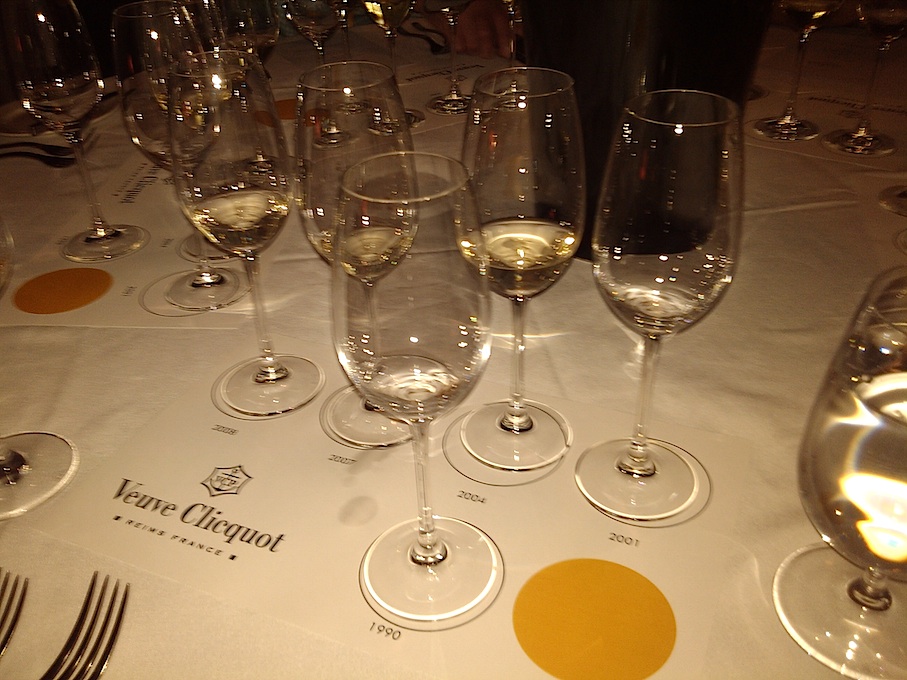
Soon the 2008, 2007, and 2004 spiral into my flutes.
RoundOneVeuve

Three down three to go.

Now, Yellow Label is not vintage Champagne.  Each year’s release blends around 65% of three-year old vintage champagne, with 35% from any dang year they choose.  So this is not technically a vertical tasting.  Still…

Yellow Label 2008 (aka mostly 2005):  It looks like young Champagne with a innocuous lemon-lime color and aggressive fizz.  Aromas and flavors are tightly bound up with acidity.  They hint at granny smith apple, slight smoke, and chalky mineral.  Very good (4 of 5).

The 2007 (i.e. 2004) is bigger, bolder, yet softer and rounder than the 2008.  It tastes of smoke, brioche, even coffee and toffee, with a core of raspberry and golden apple.  Fine chalk powder dusts its texture.  The clear, pale lemon color hardly equates to its taste. Very good (4 of 5)

Deeper now, the 2004 (mostly 2001) tastes and smells limp by contrast.  It is uncomfortably off dry.  Sure I’ve tucked into the Foie Gras Rice Croquettes laced with apricot jam by now.  But the 2004 can’t hold up to its kin.  Sorry: Good (3 of 5).

The 2001 (1998) shows off louder.  The strong aromas of Lemonhead candy, cream, baguette, even cedar impress a bit but overeach.  It tastes dual, with ripe lemon and toast spices battling for balance: much like my first dorm-mate.  Still it’s very good (4 of 5).

The 1990 (1987) comes next.  I start running out of childhood memories.  The color is still pale lemon.  The quarter century hardly shows visually.  Aromatic white fig, strawberry, cream, and angle food cake tell me to drink it.

Again, grams of sugar are noticeable.  But medium plus acid sharpens the knife.  Yet the body is soft and fleshy, slack in nerve.  Flavors of golden apple again, strawberry pith, cream, and flowers lead with a slight saline seriousness.  This is fruity with more pinot noir than usual.  The length is long.  The quality is unquestionably very good (4 of 5).

Then a bigger Burgundy glass arrives.  The waitress weaves between tables, magnum in arms.  Pierre bounces on his toes with pride.

HelloCrewVeuve1953

Bigger glass means better.

While everyone oos and aws and slurps it down.  I can only stare at it.

1953.

What does that even mean?

The vines were hibernating, while I Love Lucy gave birth and We Like Ike succeeded Truman.

The Arnaz Family

He even Looks Like Ike.

Its buds first burst when DNA was discovered and Stalin died.

Flowering followed the first James Bond Novel and the first mounting of Everest.

Its grapes saw sun just as the first Chevy Corvette rolled.

1953ChevroletCorvetteDreamCar

The only day for a convertible San Fran history.

Harvest began when JFK married Jackie.

By the time it was bottled, Playboy’s first issue went to print, and the first color tv sold for $1,175.

FirstCoverPlayboy

“Hi!”

The Vintage 1953 Brut was one of a stack of 503 bottles forgotten in Veuve’s chalk caves. Only 250 are left.  Pierre tastes it, grins, and claims that it tastes fresher and purer than one he opened last week.

En garde monsieur!
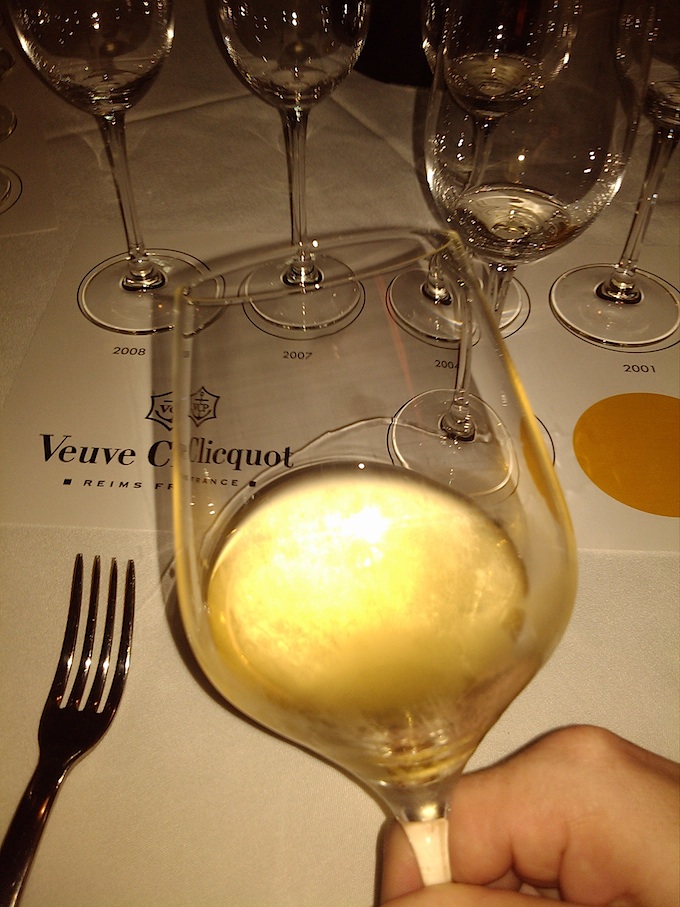
VeuveClicquot1953looks

Glamorous.

I reset my head to the present and test it.

It looks clear and bright with a medium intensity golden hue.  The minute fizz casually caresses but dissipates.

With time aromas of white fig, white honey develop into a clarion call.  Behind them, murmurs of a damp clay cave with slight truffle remind of time’s passage.

It tastes off dry.  Acidity shocks me with its nervy youth, still holding at medium plus intensity.  The body is medium.

Next, flavors bound about with fig, almond cream, ripe juicy apricot, lemon juice, even woody vanilla bean husk.  It lasts forever, turning towards white smoke and chalk by the time it goes.

Veuve’s 1953 has to rank at outstanding (5 of 5).  Not because it is old.  Not because it is rare.  Not because it is Veuve.  But because it is sharp yet complex, bright yet balanced, and endlessly glamorous and pleasing.  Sixty years on and life still packs into its edges.
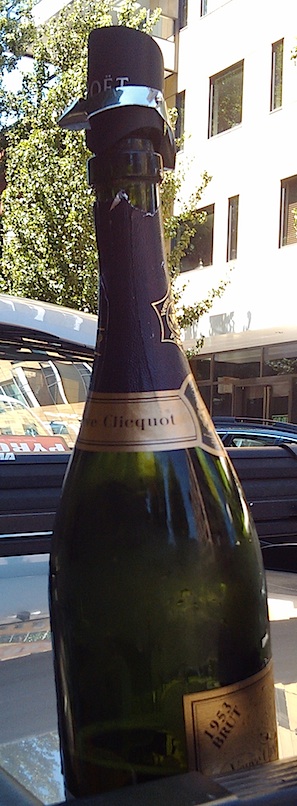
1953onaRoofRack

Off on a roof rack.

I may never watch polo.  I may never buy Veuve.  But they have made some amazing wines.  Maybe they just need half a century.  Maybe that’s the difference between Yellow Label and Vintage Brut.

VeuveTastingME

If only polo watching tasted this good.

http://sugarflywine.com/2013/02/20/what-got-me-hooked-on-veuve-clicquot/

Posted in Champagne, EMPTIED BOTTLES, Sparkling | Tagged , , , , , , , , , , , , , , , , , , , , , , , , , | 2 Comments

DRINK IN DUBLIN DAY 4-6: Bull and Castle; Hill of Tara; Newgrange: EU Austerity Drinking Tour #34

Time is running out.  For three straight days we had mostly drunk through Dublin: averaging more three pubs a day.  But only three days remain.

Light rain turns into a torrent.  So we devote most of our time running between museums and churches.

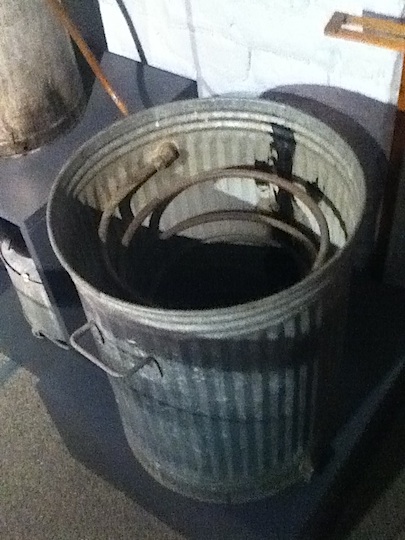
How could one forget the exciting Tax Museum?  Its poo-sorting machine and the exhibit on illegal distilling catches our eyes:

I bet that totally safe barrel is still out there.  The trashcan that hides a still looks wonderfully sneaky as well.

DUBLINHomeStill

Nothing to see here…

Afterwards, the downpour drives us to Christ’s Church.  But six euros per head stall us outside.  Then, luck smiles, and we mesh with a loud Italian school group and enter for free.

The interior gleams gray and white.  Downstairs we find a cat and mouse once mummified in the organ pipes and glorified in James Joyce’s Ulysses.  After an easy chat with the gift-store manager, we leave.

THE BULL & CASTLE

As chance has it, the Bull & Castle pub, that we visited day one, still sits across the street.

Upstairs we find them prepped for Oktoberfest.

BullandCastleUpstairsBeer

This is Dublin, not Munich.

This home to Ireland’s widest selection of craft beer, has daily cask ale.

We here at Wayward Wine love cask ale.  Instead of CO2 injection, its fizz comes from secondary fermentation in barrel.  This means smaller fizz, extra flavor complexity, and softened tannins.

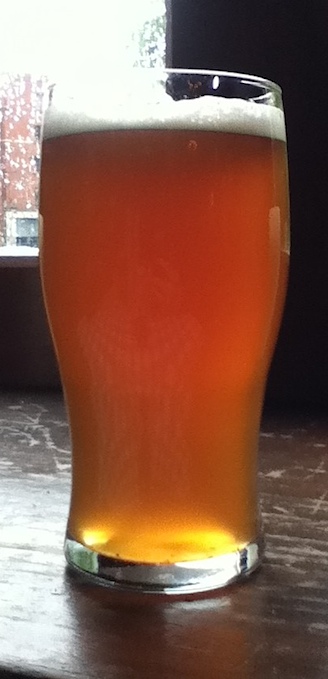
PurgatoryPaleAleFranciscanWell

Wonderful.

From Cork, Franciscan Well Co.’s Purgatory Pale Ale comes warm from them cask.  Bits of sediment rise and fall against a hazy Los Angeles sunset.

My nose catches medium intense apple pie with drizzled honey, warmed by an oaky vanilla.

The structures stay hidden behind a round, creamy texture.  Then it turns a touch ironic and bitter on the finish: like a first date who clearly is over you by the end.

Friendly flavors of easy honey and malted flour show up, smirking with hops through the medium plus length.

Franciscan Well’s “Purgatory” is hardly hell: it is beguiling, a bit sarcastic, and very good (4 of 5).  I suppose we should stop by Cork after all.

TOURING TARA

The next day, we remind ourselves that we are tourists and book a bus guide (we also can’t afford a car).

First stop: the Hill of Tara:

We make sure to get our hands all over the not-at-all-phalic Stone of Destiny.

HillofTaraStoneAndUs

Being gentle with our destiny.

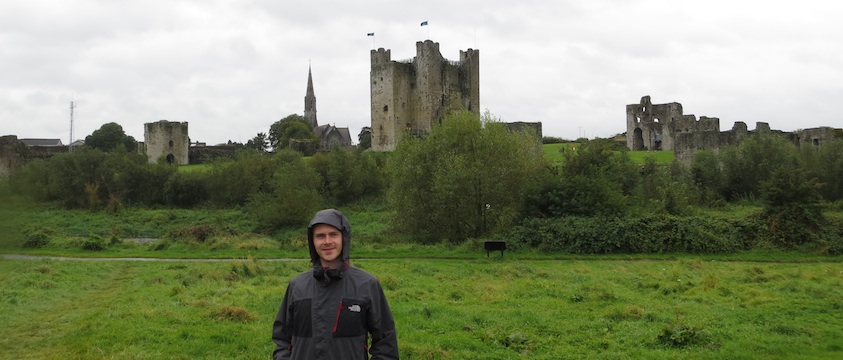
Completely drenched…by destiny, we then bus over to Trim Castle.  You know, that Irish Castle used the movie Braveheart… a movie about Scotland.

HillofTaraTourCastle

The not-so-Scottish castle.

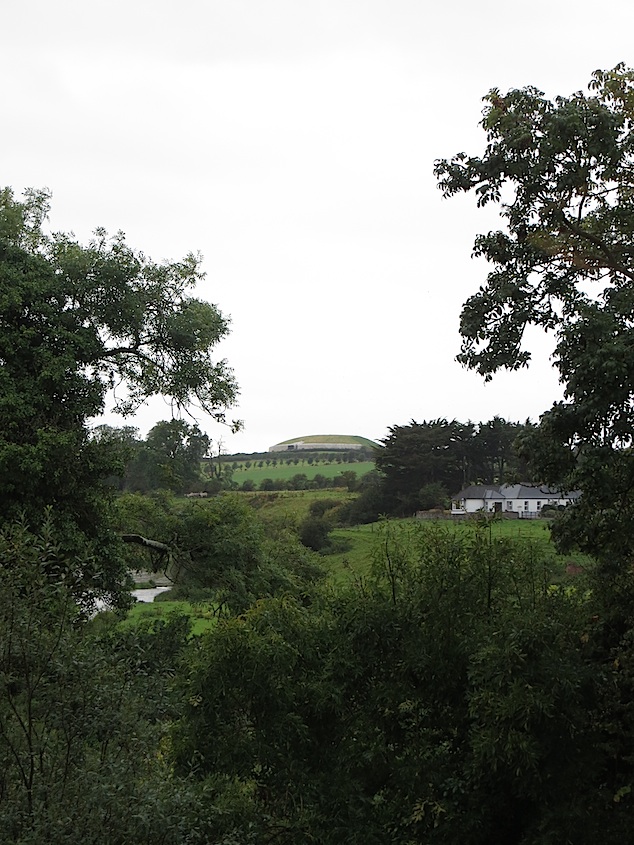
Last but not least: Newgrange.

NewgrangeDistanceShot

Spooky.

The tomb predates the Pyramids, hell, even the earliest known hieroglyphics, or Stonehenge, or gold-working, or your mom.  It dates back to 3200 BCE.

NewgrangeFacade

Good way to go.

Although meticulously and heavily reconstructed (those polkadot stones were remounted exactly), the mentality behind this site feels alien.  It even looks like a spaceship.  Sure we bury our dead.  Mausoleums happen.  But no anachronistic pretense can normalize or modernize this site.  I can’t pretend “they’re like us”.

After a lecture in the drizzle, we funnel inside.  No pictures.  Once in the burial chamber, they kill the lights.  People panic.

Then a light beam grows along the floor, mimicking the winter solstice alignment.  Spirals, carved five millennia ago, emerge on the ceiling and walls.  We squeeze back out breathless.

NewgrangeUsForfront

The rock carvings are original

BLACKROCK WALK

Our last day near Dublin, we realize that we had used our Blackrock homestay as a means of getting to the Capital.  With the sun smiling, we hike in the opposite direction: to the sea.

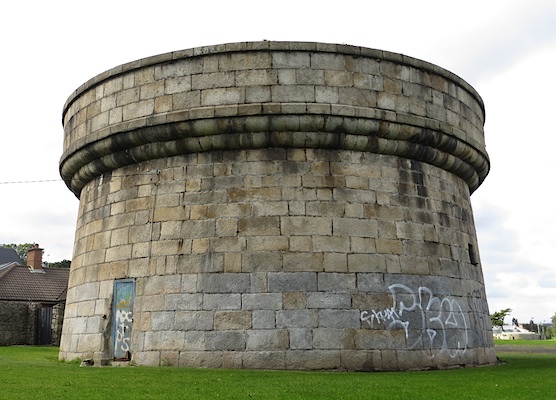
We follow the beach and find a model shoot, quaint shops, pastel row homes, and something we saw in Halifax two months ago, at the start of our EU Austerity Drinking Adventure: Martello Towers:

DUBLINMartelloTowerBlackrock

I will call you “Chubbs”.

Every few miles, these stout outposts of former British control pop up.  Soon we smell the sea (and our sweat), so we turn back.

CONCLUSIONS

In sum, we loved Dublin.  Our mad rush of pubs, museums, distilleries, churches, bars, historic sites, breweries, historic homes, historic breweries, pubs, beer cities, et cetera burnt us out (and our livers).

Everyone we met could chat for hours.  Kindness, help, and advice came from every corner.  But Dublin’s economy hurts.  There is tension with every comment.  A wrong word could break thin skins.

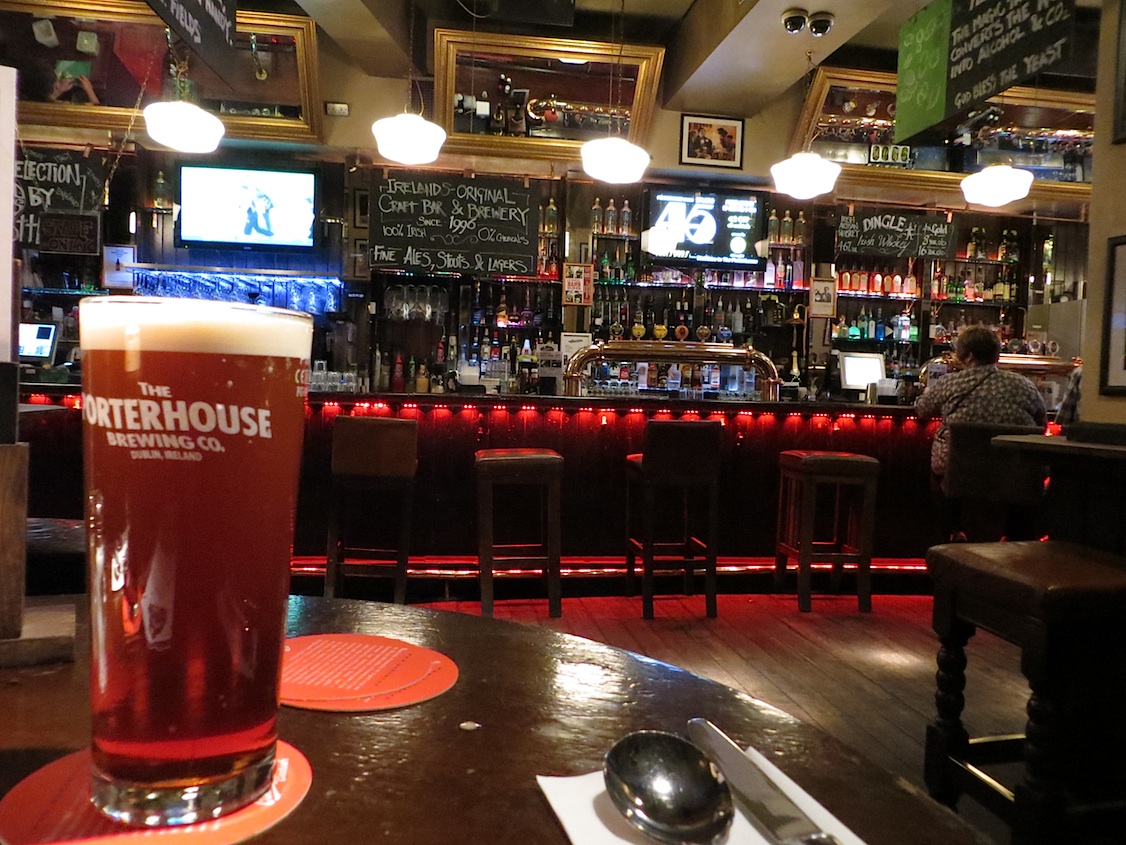
Drinks-wise, Guinness rules supreme.  Tourists and even locals fuel it’s hegemony.  Decent wine at decent prices makes it into grocery stores: mostly from France and other British interests (Australia, South Africa, New Zealand).  The Celtic Whiskey shop is a must.  The micro-brew scene struggles to expand palates.  However, breweries like the Porterhouse or pubs like the Bull & Castle show the way.

Six days did not suffice.

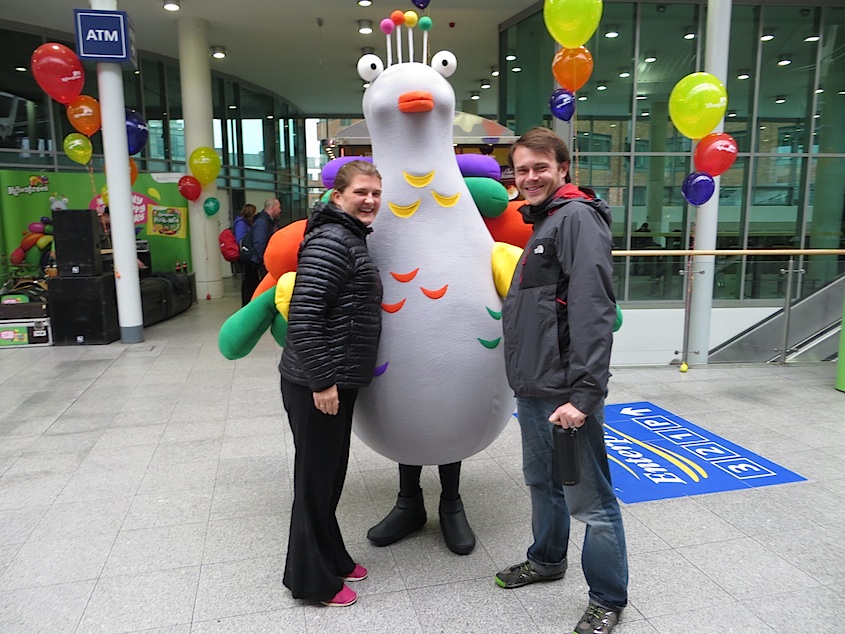
For now, the frightening fruit-snack monster bids us an awkwardly firm farewell.

DUBLINGoodGodswhat

I’m not sure if those are even hands.

NEXT WEEK: Kilkenny.

Posted in Uncategorized | Tagged , , , , , , , , , | 1 Comment

GUINNESS FACTORY: DRINK IN DUBLIN DAY 3: EU Austerity Drinking Tour #33

Our seven month, thirteen country, EU Austerity Drinking Tour continues today with the pint that defines Ireland: Guinness.

Last week’s posts visited the decent (but now defunct) Messrs Maguire Brewery Pub and the bolder (and now international) The Porterhouse.  Today, we sell out to the macro-brewer that pushes over 1.7 billion pints a year.
We leave our home-stay in Blackpool late and angry.  But now on our hike to Saint Jame’s Gate (Guinness mecca), Dublin’s charm brings us around.

DublinGuinnessDay

Gorgeous.

We pop into Ireland’s oldest pub: the Brazen Head.  It claims to date back to 1198.

DUBLINtheBrazenHead

1198…

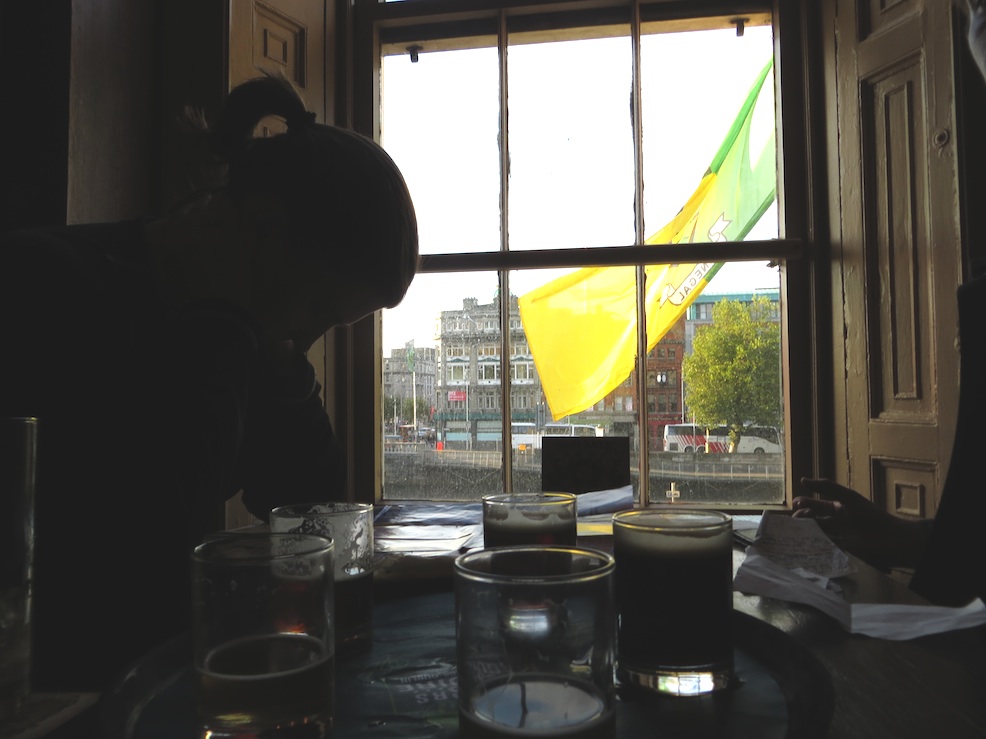
Yes, in 1198 a tavern stood here.  But the miniature castle is a bit newer than the Holy Roman Empire (1688…actually).  Regardless, the interior sweats with anticipation.  Donegal is playing the All-Ireland Football Championship.

DublintheBrazenHeadINTERIOR

Fast beer.

But it’s 1:30: no time for charm or football.  We need to turn up the scale.

DUBLINGuinnessEntrance

Where?

We enter a brick city of beer.  Tourists and buses stagger down cobbled streets.  Even old shipping tracks gleam with wear.

followTheTracksGUINNESS

Small carts pushed beer here.

They are old but silent.  Diageo has preserved Guinness’s 19th fabric as if it were the Roman Forum: perfect but sterilized.  These roads only function to funnel tourists.

And in we go.

GUINNESScielingVertigo

Reverse vertigo.

The rotunda feels massive.  Escalators, elevators, glass, and blue steel pylons interweave the old with modern.  This Eiffel Tower to beer forms a seven story glass big enough for 14.3 million pints.  In case you missed the theme.

A questionably original deed sits at center below our feet: enshrined in glass like a saint’s rib.  I stop myself from kneeling.

Next, ramps walk us through art spaces that rarefy the beer’s essential ingredients into abstract materialism.

GUINNESSmeWATERfountain

Ridiculous? Hardly.

Our occasional guide is a set of video screens showing master brewer: Fergal Murry.

GuinnessExperience

And then. I caught. A fish. This big.

The stout, white-shirted, bespectacled Master Brewer often appears in full-bodied view.  He barks enthusiastically and hand-gestures his way through clearly awkward green-screened scenes about beer-making.

We meet a fake painting of Arthur Guinness and a fake chair.  Wall plaques glide over 250 years, ignoring ownership issues, buyouts, and monumental expansion.

Then we enter a room where staff, videos, and bright signs walk us through baby-sips of how to taste Guinness.

Hardly begun, we mount another escalator.

GuinnessTRACY

Up the glass we go.

Defunct copper mash tuns and iron machines crowd new rooms.  Endless videos and interactive artifacts start to muddle how Guinness actually makes beer.

We never see the inside of the factory.  Only one motion-activated window demists itself briefly to show the real factory…exterior.

The Wizard won’t let us behind his curtain.

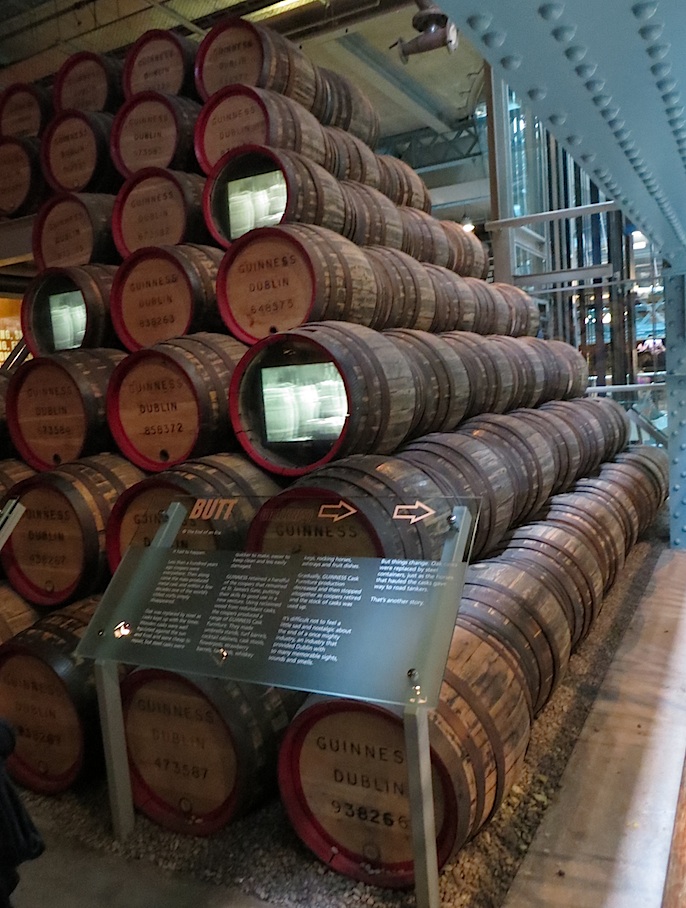
Another escalator finds a room with barrels stacked high.

GuinnessBarrels

Cool TV.

We almost tear-up reading about a whole civilization of coopers, cartmen, and shippers that the aluminum keg outmoded around 1960.  How might Guinness have tasted, warm, breathing, and living a different life in each cask?

All this old stuff stops instilling respect for heritage or even nostalgia.  Instead, I wonder at what we have gained by demanding that a beer taste consistent and, um, not kill us (how dull).

A hall on shipping is hung with white plastic ghosts of trains, trucks, boats, planes, and carts from every era.  I try not to cry.

GuinnessARTme

It’s a pint. Made of wood. With a jellyfish on top.

Then we find what really matters to Guinness: image.

The wooden pint and museum glorifying advertising confirms this.

Let’s be honest.  Guinness is not a beer.  It is a brand.  It is a package that we buy filled with a bounty of signifiers.  We drink its Irishness, its heritage, its harp, its shamrocks, its Joyce, its pub culture, its potato famine, its Catholicism, its Patty’s Day, its rebellion.

Also, Guinness is not lager.  It is the alternative.  It is not wimpy.  It is gendered as hard-working, manly product, the owning of which proves we have matured (“Guinness gives you strength” right?).  Even coming here and blogging about it, makes me different.  Like drinking red instead of white.  Coffee instead of tea.

At least that’s what they tell us.  It’s also what we tell ourselves, so the world makes sense.

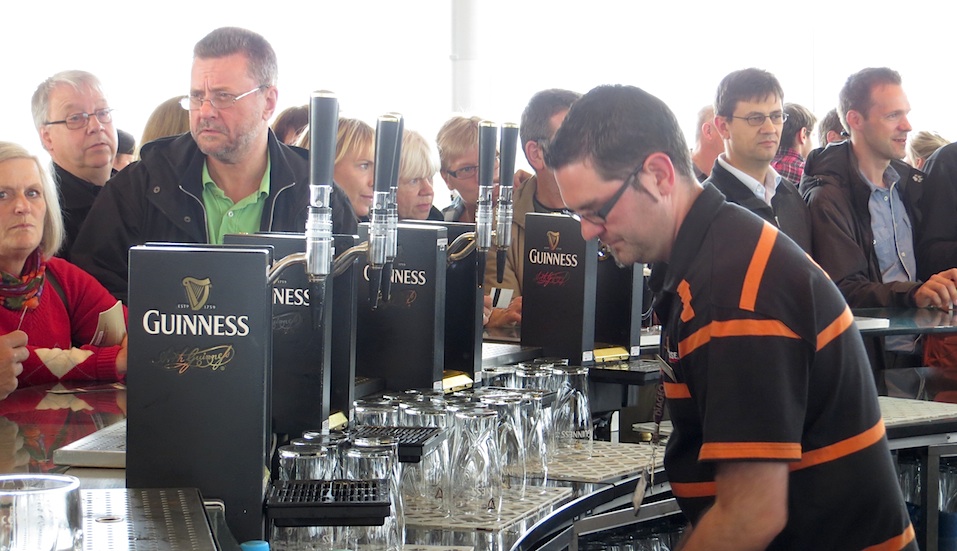
Philosophy set aside, we take the stairs to the Guinness Gravity Bar.

GuinnessBarGuy

Man-pile.

Massive, wide, and low, this 360 degree “head” of the 14.3 million pint-glass gleams in white, steel, and glass.  U2 pumps up the throng of people: mostly middle-aged men.

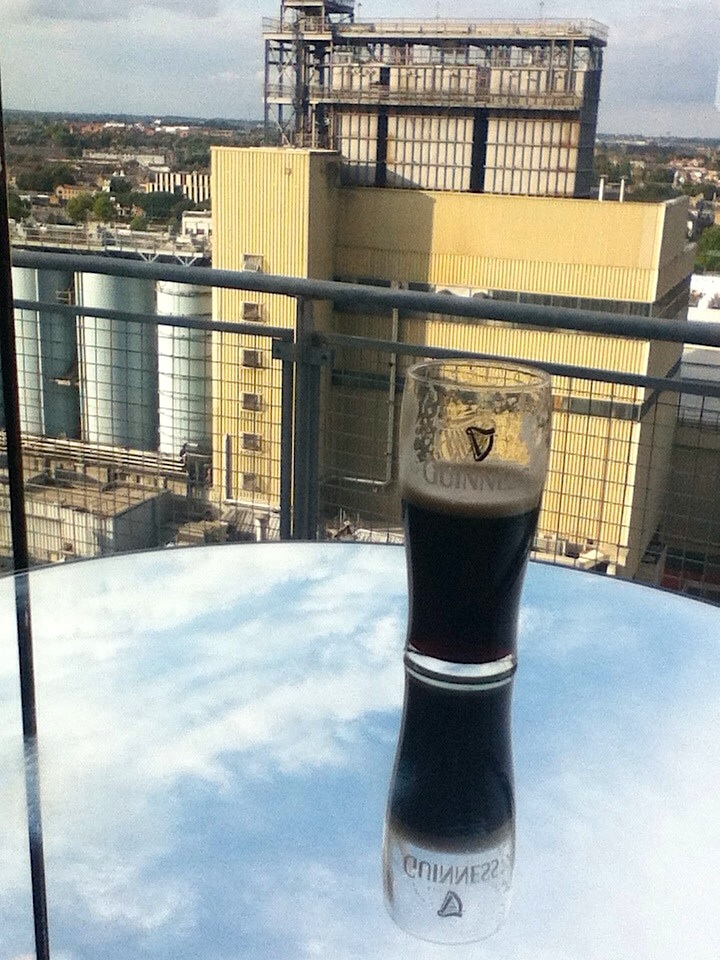
We grab our pints and a mirror table.

GUINNESStracyAndAaronPints

What t-shirts?

I appreciate that Guinness admits its modernity.  This bar doesn’t pretend to be a classic pub.  No wood, no nooks, nor animal heads can be found.  It knows it is a skyscraper showcase for the latest in mass-manufactured product.

GuinnessGORGEOUSbar

Shiny.

The huge factory surrounds and reminds us of this.

Beyond, the view of Dublin, and its clash of ancient and new buildings, its bustle that runs to the sea adds context.

GuinnessRAISEaPintToDublin

Raising a pint to Dublin.

After three hours of museum, the beer tastes refreshing.  Our thirst delights at its chill.  We drink it properly, sipping through to avoid the bitter head.

Here, today, we note its acid.  The bitterness is present but light, alcohol minor, weight middling.  It tastes fresh, balanced, and clean like mild tap coffee, cocoa nib, and citrus pith sweetened by wildflower honey.  The length is medium and pleasant.  If Guinness is not the definition of a good quality (3 of 5), monstrously produced beer, then nothing is.

We look down and fear the walk ahead.

GuinnessFEET

Poor, tired shoes.

Stepping past the bar, the identity divide shows itself in the dead soldiers:

GuinnessDeadSoldiersTEAAAAA

TEA!??

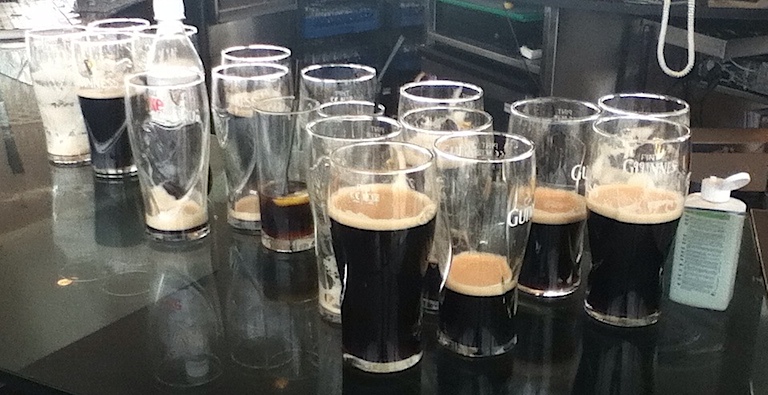
Who comes to Dublin, goes through hours of a meandering, bewildering Guinness museum, and orders tea?  Or takes two sips of beer and leaves?

Kids maybe.  But my guess is a few couldn’t swallow the heavy pill yet.  I hear them claim to dislike the bitterness, but it’s out of habit.  They’re not dark beer people they say.  But it’s a self-fulfilling prophecy.  As if beer types and people are predestined pairs.  Just as my drinking it is supposed to make me manlier or align me with all things Irish.

It’s all in our heads.

We leave with respect for Diageo keeping Guinness in Dublin and for making a solid drink at such a scale.  The grounds lack life.  The Guinness experience is a ridiculous shadow play.  You won’t learn how they make beer.  But it distills the basics, and reveals much about brand control.

Niggles aside, enjoying a good pint while sitting atop Dublin was priceless.

GUINNESSgate

Saint Jame’s Gate.

Posted in Uncategorized | Tagged , , , , , , , , , , , , , , , , , , | 5 Comments

MESSRS MAGUIRE CRAFT BREWERS: DRINK IN DUBLIN DAY 2: EU Austerity Drinking Tour #32

ADDENDUM: This visit took place September 22nd 2012.  According to Dean McGuinness ‏@BeerMessiah, J.W. Sweetman’s has replaced Messrs Maguires.  Oh how quickly the world of beers keeps turning.  Enjoy this step through near-history.

After a whirlwind first day in Dublin, we attempt to slow down.  That doesn’t really happen.

We spend a lifetime at the Archaeological Museum, punctuated by lunch and beer at the Porterhouse (reviewed here previously).  Near 6pm, we squeeze in a visit to Dublin’s “Dead Zoo”:

DUBLINdeadZooFully creeped out (the stuffed marmot still stares through my soul at night), we wander St. Stephen’s Green.  A rare sun brightens fat trees and spotlights plump geese and groping teens.

We meander back to the River Liffey and find (surprise!) a brewery: Messrs Maguire Craft Brewers.  The crowded bar downstairs sends us up to a quiet nook overlooking the river.

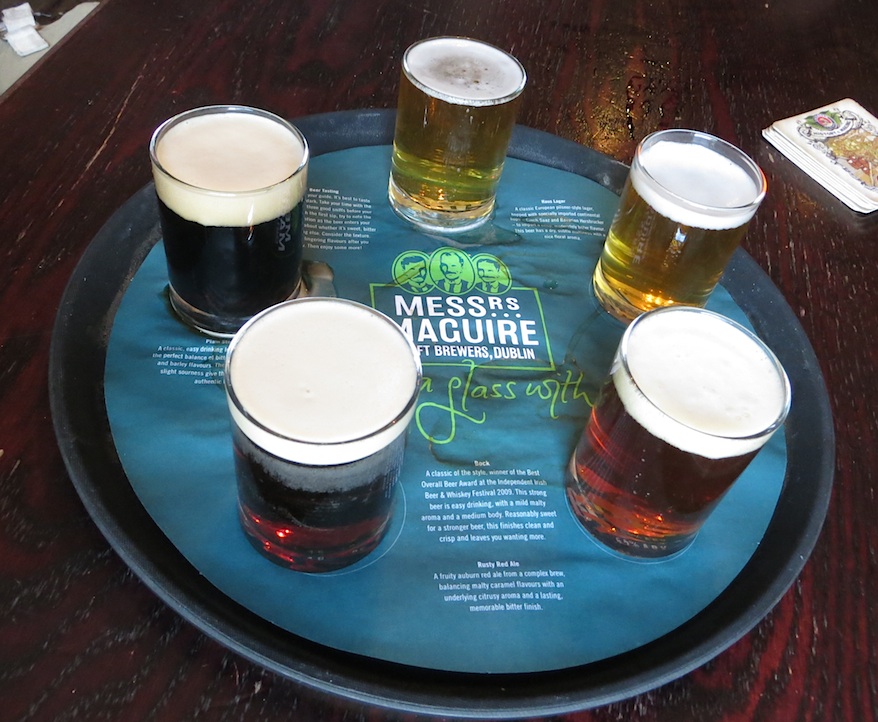
We embrace tourist-hood and order the sampler tray.

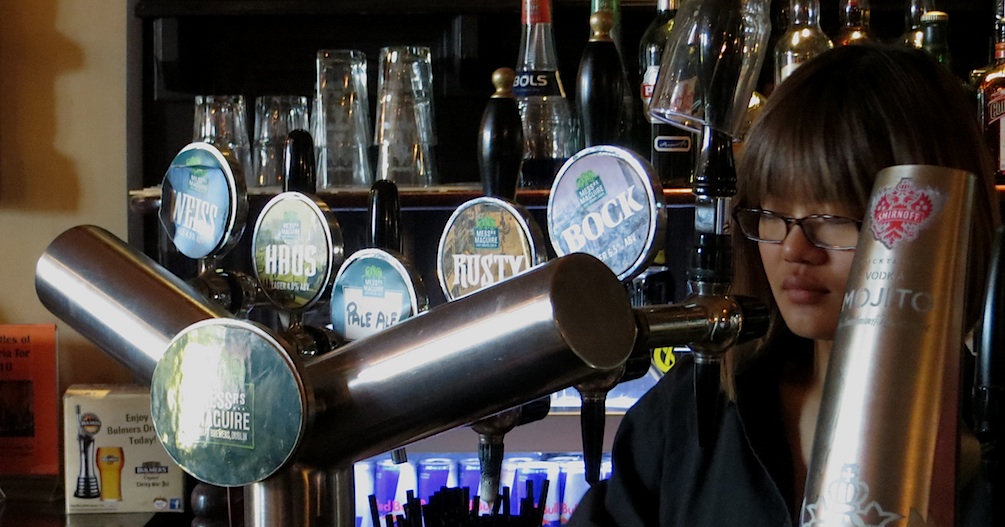
DUBLINMessrsBar

You can almost taste her excitement.

Our painfully bored waitress drops it on our table and leaves.  I break out my tasting notes: little surprise to my wife.

DUBLINMessrsMaguireTray

Heady stuff…har har har…

I hate half-pint taster trays.

“Haus Lager” looks an aptly pale amber.  It smells of medium intense grassy hops, toffee, and caramel.

The beer feels a bit warm for a lager.  But acid, tannin, and alcohol taste assertive.  The body is average, as is flavor intensity.  Hops and malt dominate a side show of red apple and toffee.  The burnt hazelnut bitter finish is pretty lengthy.  This is good (3 of 5) and would show better if cooler.

Messrs’s redundantly titled, “Weiss Wheat Ale” feels colder.  Good.

It looks slightly hazy medium gold, with rapid small fizz and 1/2cm but constant head.

The small glass does the nose disservice: maybe there are hops? Maybe?  No sweetness here but deceptive fruit.  The structure feels dull, lacking acidic cut and tannin one expects from a Weiss.  The weight feel averagely beer-ish.

Flavors seem interesting and complex with all-spice, cardamom, hops, and clove-stabbed oranges.  However, this Weiss lacks precision and sharpness to be anywhere near refreshing enough.  It’s faultless but dull.  Goodish (3 of 5).

Next the “Rusty Red Ale”.  Sounds appetizing!

This is poured warm.  Bright red amber and a cream color head, with lazy fizz fill the glass.

Medium intense aromas of caramel, pie, strawberries, and a bit of soy creep in.

The palate again disappoints.  The structures are limp.  Flavors sort of there with nutty almond and full fat milk.  The Red feels mellow, creamy and nice.  The length medium plus.  This again is good (3 of 5) not breathtaking.

By now, my wife’s eyes start to roll.  These beers probably do not merit such thoroughness.  But for the sake of science, I press on.

DUBLINMessrsMaguireWindowBacklit

Donegal played and won the day.

The Bock.  6.5% alcohol.  Now we’re talkin’.

Warm again.  Maybe I am too American to appreciate it.  Whatever.  The color looks a lovely copper amber color with medium bubbles and a 1.5cm white head.

The nose shows off simple hops, toffee, and caramel.

Acid, bitterness, and alcohol all hit medium plus levels.  However, the body is mid-weight.  Flavors, like the nose are not overt, but malt reigns supreme, supported by hops, red apple, toffee, with a burnt hazelnut, long, bitter finish.

The Bock isn’t great.  It lacks punch.  But this is a very good beer (4 of 5).

Lastly, Messrs’s “Plain Stout”.

The color looks like iron rust red on black, with a cream color head.

The aromas smell of classic, medium intense french roast coffee, balsamic, and soy.  Tannins are expectedly strong, with average support from everything else. Flavors of malt, toast, chocolate, are concluded by a very creamy but lean finish.  Good (3 of 5) but cliché.

Maybe our lunch at the Porterhouse had over-heightened our expectations.  Maybe five hours of museums in one day had dulled our senses.  Either way, Messrs Maguire makes good enough beer.  It meets expectations, even if it never amazes.

However, their stellar view over the River Liffey is perfect.  Also, their spot next to the Metro makes returning home a DUI-free delight.

Posted in Beer, EMPTIED BOTTLES, Ireland, WINERIES WANDERED | Tagged , , , , , , , , , , , , , | 1 Comment

THE PORTERHOUSE: DRINK IN DUBLIN DAY 2 and 4: EU Austerity Drinking Tour #31

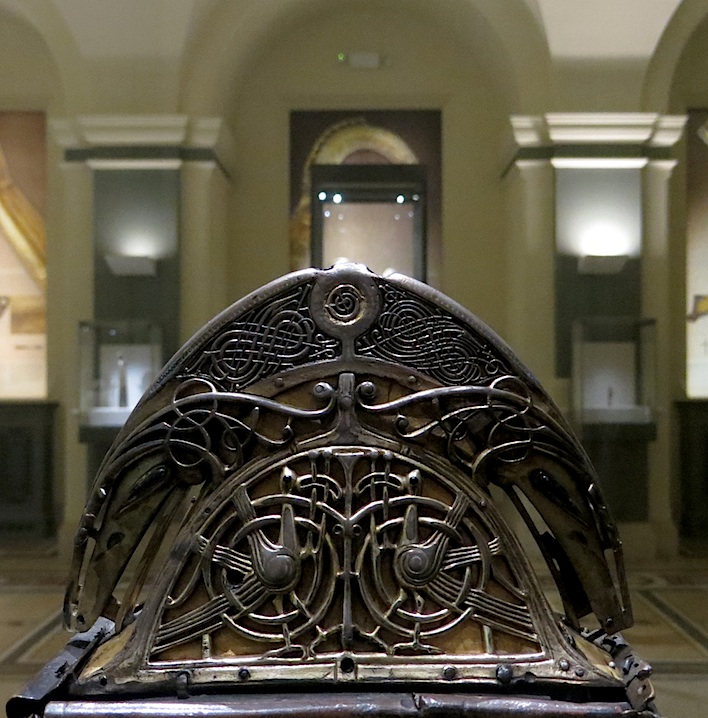
On Day Two in Dublin we go to the immense Archaeological Museum.  After a few hours of breathtaking, minute Celtic metalwork, hunger takes us.

DublinArchMuseumCelticLid

You try making this with a rock and heat.

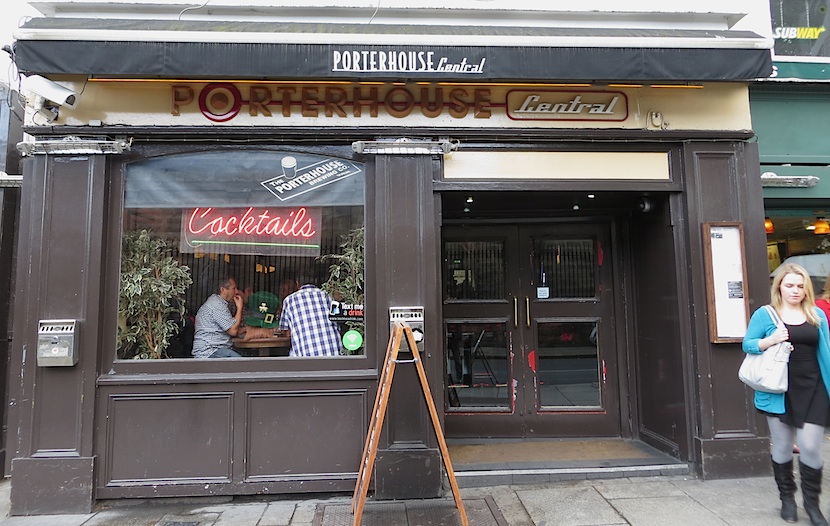
Incapable of eating fine metalwork, we soon find The Poterhouse Brewery‘s “Central” pub on Nassau Street.

The NY Pizza across the street is pretty classic.

The NY Pizza across the street is pefect.

In 1989, Liam LaHart and Oliver Hughes opened Porterhouse with a focus on Belgian beers.  Today they craft a wide range of bold beers and never serve Guinness.

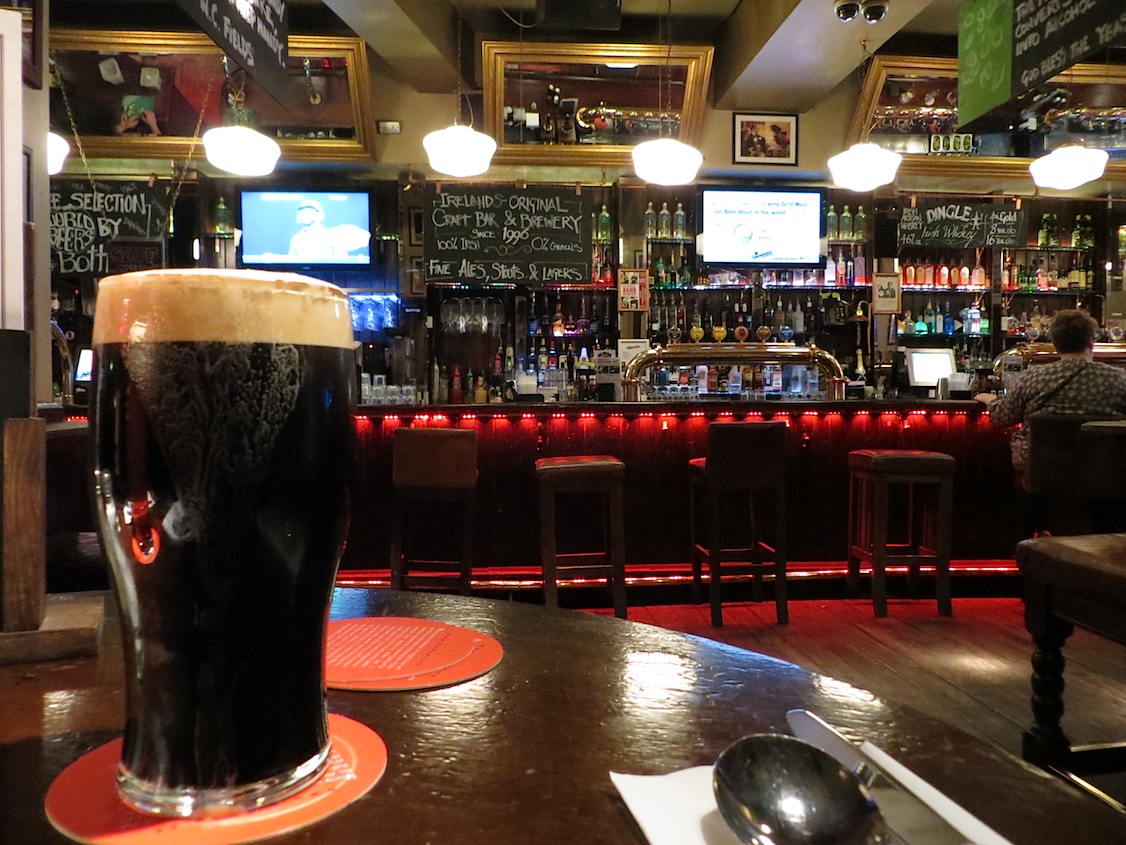
Seated, we wait for mushroom soup.  A pint of Hop Head (beyond the pale) ($4.40 pint) hits our table, poured at a cool-ish temperature from cask.

Glamorous color still settling.

Glamorous color still settling.

It looks lovely.  The color rings with a bright, medium plus intense red copper and a fine, cask-conditioned 2cm cream-colored head.

The aromas flaunt medium plus intense honey, toasted vanilla, cardamon, and grapefruit hops.

The palate feels dry.  Extra acid and tannin keep it uptight.  Alcohol (4.7%) and body are average.  Flavors strongly express fresh-squeezed orange juice with no sugar, cardamon, clove, and hops.

Even with all the zip and structure, the texture blankets my palate with softness.  The core tastes sweet, while the lengthy finish cuts off clean, bitter, but not too edgy.  Porterhouse’s Hop Head is very good quality (4 of 5), mainly because it showcases bitter hops in an unexpectedly elegant fashion.

Our mushroom soup arrives: time for Wrassler’s 4X Stout:

Foaming at the rim.

Foaming at the rim.

It looks the part with a clear but pronounced iron black red color and a 3cm caramel color head (no I don’t use a measuring tape).

My nose picks only moderately intense intense esters of grilled portobello mushroom (not the soup), with nice quality balsamic, and chocolate with caramel filling.

It matches Hop Head with notable acid and tannin.  However, the body hits bigger as do the flavors of baking chocolate, honey, and, well, really nice manure.  The finish is longer, hoppy, green, pine-like.  The Wrassler’s 4X Stout, is very good (4 of 5).

Beer-imbued, we spend another 3 1/2 hours getting lost in the Archaeological Museum.  Their medieval collection, Celtic gold exhibit, and Coptic fabrics amaze us.  They even have centuries old felted clothes that look brand new.  However, the space -rich in marble mosaic, iron filigree, and symmetry- dwarfs the collection.

DUBLINArchaeologyMuseumBoat

Not your average museum.

Another Dublin brewery that we visited that same evening will get its post this Thursday.  But for consistency-sake, let’s check out Porterhouse’s Temple Bar location:

DAY 4

Begun in 1996 as Dublin’s first pub/brewery, Porterhouse’s narrow halls and stairs wind up and outwards, like octopus limbs lined in wood.  Crowds pack the place this evening.  A three piece Celtic alternative band keeps pace with the noise.  Tracy snags seats upstairs, overlooking the altar to live music, while I get beer.

DublinPORTERHOUSEcat

Drink in.

A gaggle of Americans reach the bar before me.  They eagerly ask for Guinness.  The mistress behind the bar patiently apologizes.  Heads cock in confusion.  She tells them Porterhouse is a brewery, with many a porter and stout that would satisfy their need for something Irish and black.  But they storm off, swearing and name-calling.

I smirk and pay for two pints.

First, Porterhouse’s “Oyster Stout“.

As the name claims, fresh oysters get shucked into the conditioning tank.  Sorry vegans (sorry oysters).

My mind wanders: did their Wrassler’s 4x stout have any wrasslers in it?

Back to reviewing.  It looks a deep iron red black, with a 3cm cream-colored head (no floating oyster bits).

Aromas seem clean and stout with hop citrus, toffee, and a mild chocolate (still no oysters).

The palate is dry with bold acid, tannin, and body.  Flavors don’t dissapoint us, with a fullsome hoppy, fruity, malty character, and a structured, bitter back kick that demands food.  The length is long.  The quality, again, is undeniably very good (4 of 5).  (I expected more oyster).

Finally, Porterhouse’s “Plain Porter“.

Everything looks plainly porter-esque.

The bouquet exudes loads of char, roasted nut, chunks of chocolate, and caramel.  Good.

Acid and tannin step down a notch to medium intensity.  Yet this is still serious, dry drink with a rich body and velvety texture.

Searching now for flavors, I sip again.  Nothing.

My wife stares at me.  I try again.

Gradually, a warm tart with mellow apple rises on the horizon, followed by increasing chocolate orange, finally cracking with a long, crunchy, charred coffee finish.  Like Ravel’s Bolero, a whisper patiently leads to crashing symbols and horns.  Yet silky vanilla, as the theme, provides a touchstone throughout.  It forces your attention forward, just before the boredom of “oh gods, he’s reviewing another black beer” sets in.

This is near perfect beer (5 of 5).  No surprise that Porterhouse’s Plain Porter has won The World’s Best Stout, twice (even if it is technically a Porter).

For you who like lighter beers, build the Lagerhouse and I might visit.  Luckily no such sadness exists.

If you can’t make it to Ireland, the Porterhouse now has a New York extension and is trickling into stores stateside.  Keep your eyes pealed and glasses readied.

Posted in Beer, EMPTIED BOTTLES, Ireland, WINERIES WANDERED | Tagged , , , , , , , , , , , , , , , , , , , | 8 Comments