CORK (IRELAND) PART 2: THE FRANCISCAN WELL BREWERY: EU Austerity Drinking Tour #38

Last Monday we sampled beer from the Franciscan Well Brewery in Cork, Ireland.  We return to test their cask ale.
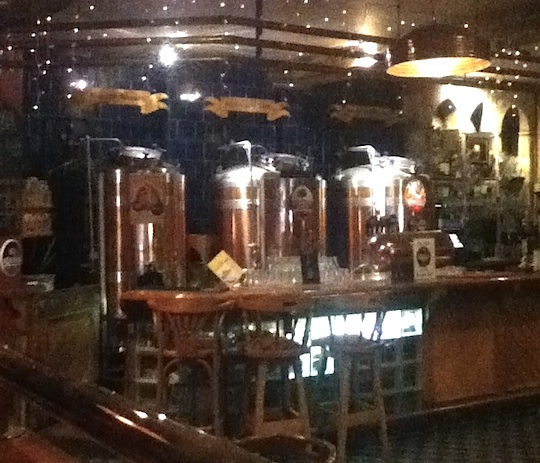
CorkFranscicanWellInterior

Wood and copper.

A week ago in Dublin, we tried their Purgatory Pale Ale from cask at the Bull and Castle.  I got a touch romantic: “Franciscan Well’s ‘Purgatory’ is hardly hell: it is beguiling, a bit sarcastic, and very good (4 of 5): like a first date who clearly is over you by the end.  I suppose we should stop by Cork after all.”

Oh, how naive.

So, how does a tank, at home, compare to a cask in Dublin?

PURGATORY PALE ALE (TANK):

CorkFranciscanPurgatoryPaleAle

Tank of coppery magic.

Straight off, it feels far colder than the cask.  It is still a hazy gold, but without the sediment.  My nose picks up a slight funk, with strong apple pie, nuts, and floral whiffs.

Acid, tannin, and body all arrive amped up.  Flavors of lovely tart apple skin and classic cascade hoppy pine dominate.  Gone are the “drizzled honey, warmed by an oaky vanilla.”  The length is medium plus.  Purgatory ranks at very good (4 of 5), even from tank.  It just lacks the softness and complexity that the cask version brought.  The cask’s “smirking hops” taste louder, pine-like, and tart.

Then we notice a cask behind the bar.  Luck smiles.  Time to test their tank Rebel Red against its cask-aged brethren.

REBEL RED (TANK):

Cold again.  The glass is dressed in an extra dark copper red with a 2cm cream-colored head.  Powerful aromas remind me of toffee, malt, wheat, and caramel.  Tannins and body are up.  It tastes of charred bread crust, malt, and red apple.  I try the cask and go back.  The tank tastes far toastier and edgier.  The length lasts an extra long while.  Very good (4 of 5).

REBEL RED (CASK):

CorkFranciscanWellCaskRebel

It’s like a coppery, shiny, wet dream.

This feels warmer.  I can’t see through its hazier, darker, red amber.  Less fizz and less head survive.  Aromas smell a tick less strong but throw up caramel toffee, raisins, and a clear pine hop.  Odd.

The structures are mellowed here.  The body is still big.  But flavors have side-stepped.  Up front that red apple before now tastes dried.  Moodier notes of vanilla oak, toffee, and barley have moved in.  A quiet bit of pine and grapefruit from the hops build into a finish that delicately holds the end.  The length is also medium plus.  The cask Rebel Red is very good (4 of 5).  Oak time has made it mellow, more complex, and oddly, noticeably hoppier.  Just like me after a few.  Weird.

I love beer from cask (probably because I still prefer wine).  Wood mellows out beer’s bitterness and acid, while layering in toast, vanilla, or cedar.  Meanwhile, beer from these gleaming copper tanks retains more vibrancy, structure, and life.  You want protein and fry to deal with their intensity.  Cask beer delights alone (or maybe with a soft, aged cheese). Really, both have their place.

← Back

Thank you for your response. ✨

Posted in Beer, EMPTIED BOTTLES, Ireland, WINERIES WANDERED | Tagged , , , , , , , , | Leave a comment

LABOR DAY-LEMA: Margerum, Riviera Rosé, San Luis Obispo County, California 2012

We have a problem: what to drink for Labor Day.

The holiday is the exact opposite of its title.  We do no work on Labor Day.  It is the last gasp of summer.  We need to have fun.  And the beverage of choice should reflect that.

First: drink American.  Honor those hard laborers by buying the sweat of their toil (not literally).  Gloss over the fact that non-natives probably picked those grapes (or recall that at some point, we were all immigrants).  Let their work fill our national glass and let us, together, become greater than the tally of our parts.

However, the heat and humidity of summer will slay most of the country.  Warm red is out.  Cool white is fine.  Bubbly is too celebratory.

Instead, let us follow “Rosé” the Riveter:

laborDayRose

Yes we can.

Let us drink rosé and not work for one day.

Why?

Soon, most rosé will disappear or go bad.  As discussed previously, rosé pays the bills so winemakers can pay off their loans, buy barrels, and wait for their fancy (i.e. “reserve”) reds and whites to mature.  By now, most shops are eying the Fall.  Red season.  They over-bought rosé and have now put all their 2012’s on sale.  It’s time to buy.

Today’s laboriously glorious beverage comes from Margerum in Central California.  Called Riviera, after that French resort coast obsessed with chilling down with a glass of pink.  This West Coast rendition consists of 70 percent Grenache, 15 Counoise, and 15 cinsault: the usual suspects.

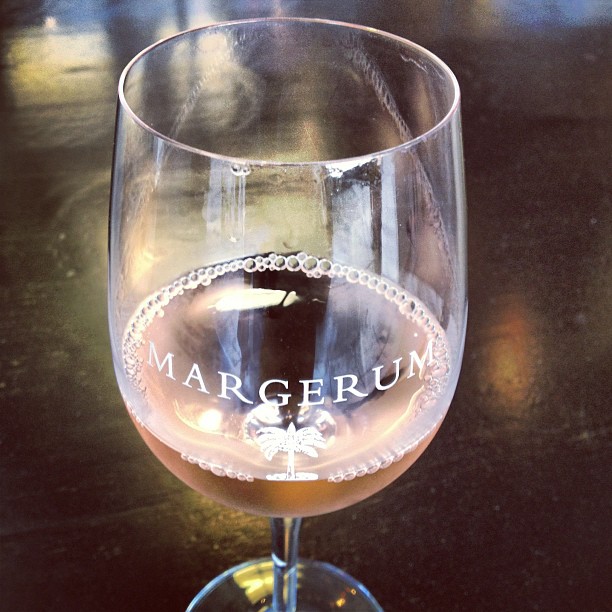
Margerum-Rose

Hi gorgeous.

The color is classic medium minus intense rose pink.  A slight fizz from controlled bottling is visible.

Aromas are inoffensively average in intensity, with fresh strawberry, melon, and an intriguing tip of bell pepper and herb.

The palate is wondrously dry.  White Zin this is not.  Acid rings and rings a high noted bell at medium plus intensity.  Tannins barely present themselves, but could chop a hot dog and move on (thanks to the 3% added barrel-aged Grenache).  Textures are round yet slightly prickly.  Alcohol and body are pleasant and medium.

Flavors don’t overwhelm either.  Tart red grapefruit, that slightly bitter white core of a strawberry, watermelon, and a bit of earth and potpourri will keep you interested, but not distracted from that game of catch football.  The length, although delicate, is impressively medium plus.

Margerum’s Riviera Rosé is quite good (3 of 5). It may even be very good, because it works for you.  It labors, quietly getting you tipsy, yet not interrupting your failed attempts at BBQ.

Yes, it originally cost around $20.  But as summer winds down, you just might find it on sale (I managed $11.99).

Happy Non-Laboring Day.

← Back

Thank you for your response. ✨

Posted in EMPTIED BOTTLES, Grenache, Rosé | Tagged , , , , , , , , , , , , , , , | Leave a comment

BLARNEY CASTLE, THE FRANCISCAN WELL BREWERY: CORK, IRELAND PART 1: EU Austerity Drinking Tour #37

Our EU Austerity Drinking Tour leaves the charms and beer of Kilkenny (posted last Monday).  We head to Cork on Ireland’s south coast: our last stop in Ireland before diving headfirst into the wine-filled bosom of France.

While munching on hummus and bread, the bus ride teaches us that Kerrygold is magic butter made from happy cows.

CowsUntillCORK

MMMM…butter.

We arrive, drag then dump our bags, meet our host, then stream out to town.  Yarn stores, a Victorain market, dodgy bits, Turkish barbers, French couture: Cork feels friendly, like a well worn couch.

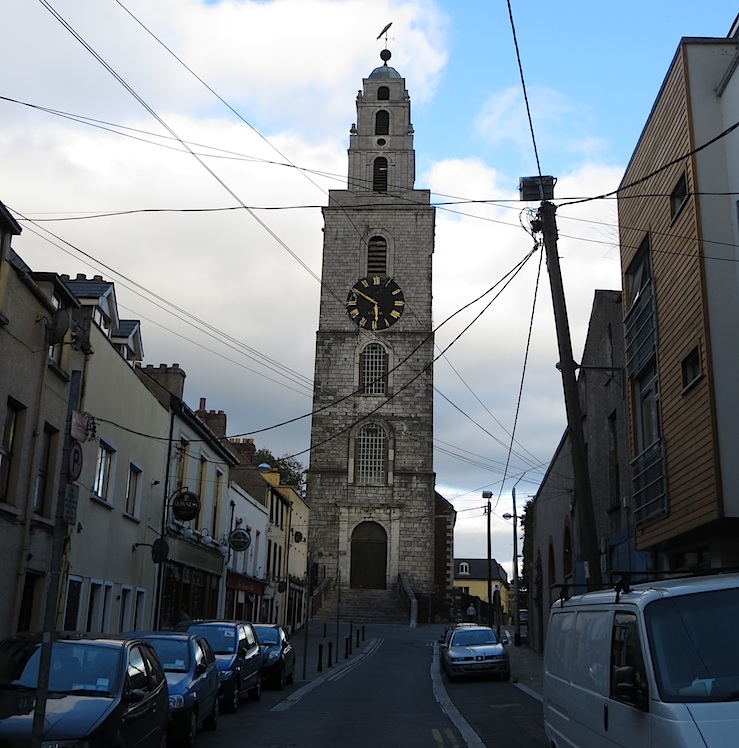
Then a not-at-all phallic tower with a lean finds us.

CORKleanTOWER

*Ahem*

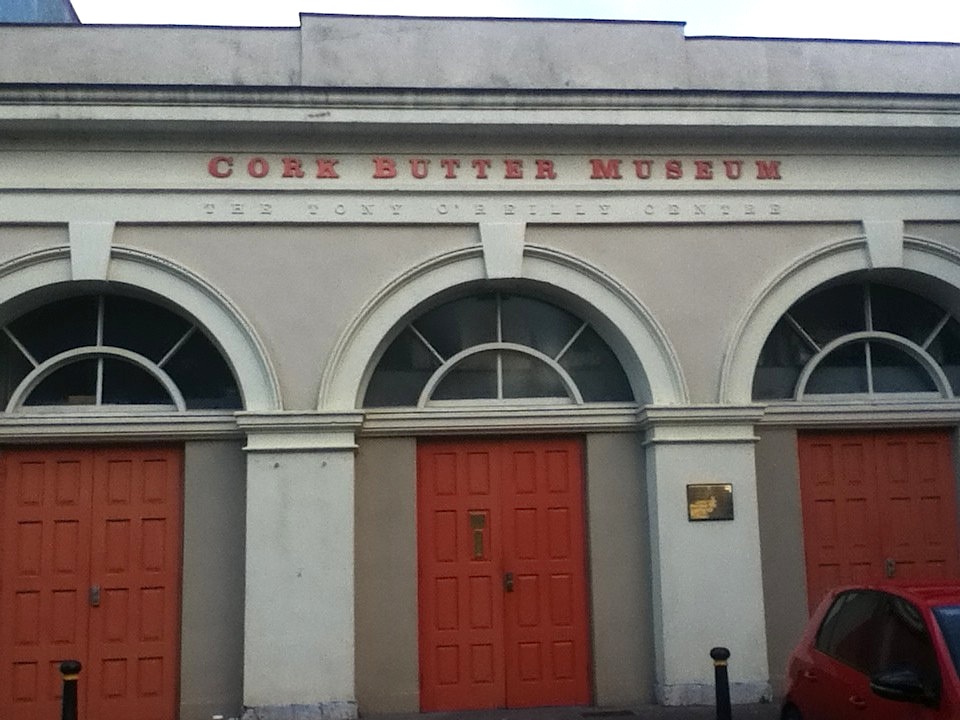
…which just happens to hang out next to the Butter Museum:

CORKbutterMuseum

Oh let there be interactive exhibits.

Childish laughter stifled, we find both closed, the sun setting, and liquid supper calling.

THE FRANCISCAN WELL BREWERY:

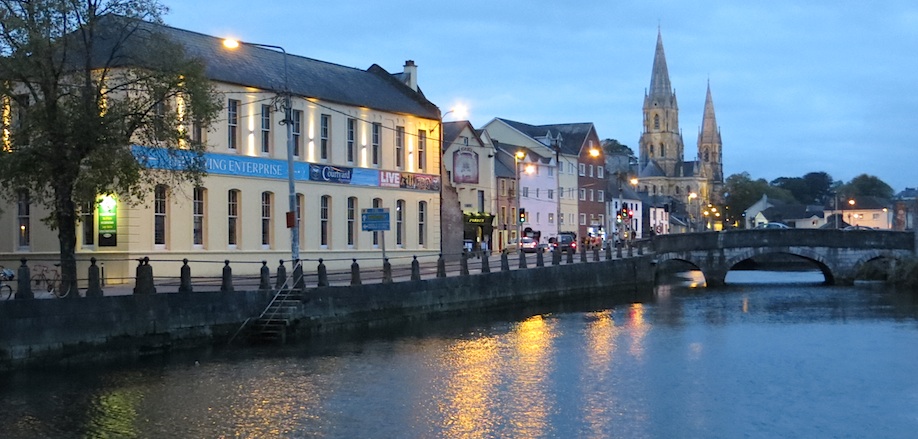
CORKriverCork

Feeling mellow.

Up the lazy River Cork we smell brewing.  Then we spot a small opening on the North Mall riverfront:

FranciscanWellEntry

It’s a brewery, not a garage.

Located on a Franciscan monastery from 1219, its famed, miraculous well now lends its name (and waters) to The Franciscan Well Brewery.  Since 1998 they’ve made beer without chemicals, preservatives, or fining agents.

We settle into the cosy, woody, brass-filled booth and start with their:

BLARNEY BLONDE:

Rapid, large fizz streams through its moderate gold color.  Aromas stomp a loud, dual beat of malt and honey.  Lots of tartness and low tannins make for a medium body.  Flavors aren’t loud but show pear, banana, golden delicious apple, malted white bread, and an interesting edge of salt and smoke.  Medium length.  I blink for a second and think it tastes like decent chardonnay.  That may be blarney, but the beer ain’t: very good (4 of 5).

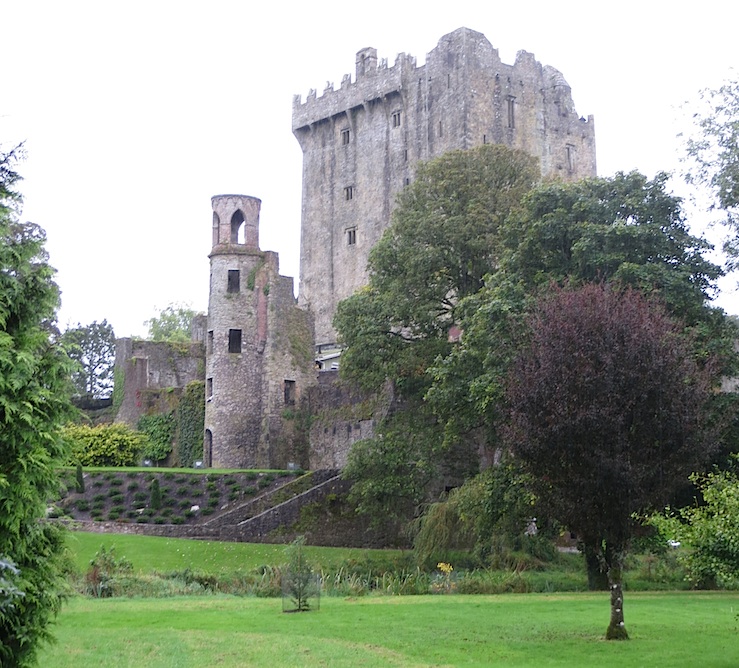
Our visit to neighboring Blarney Castle tasted no where near as fun as the Blarney Blond.

BlarneyCastel

Miserably wet…but spooky.

Clouds rained the whole visit, draping the castle in appropriate gloom.  The wet, winding stairs to the top nearly killed us.

BlarneyCastleDrenched

Dreary drenched trepidation

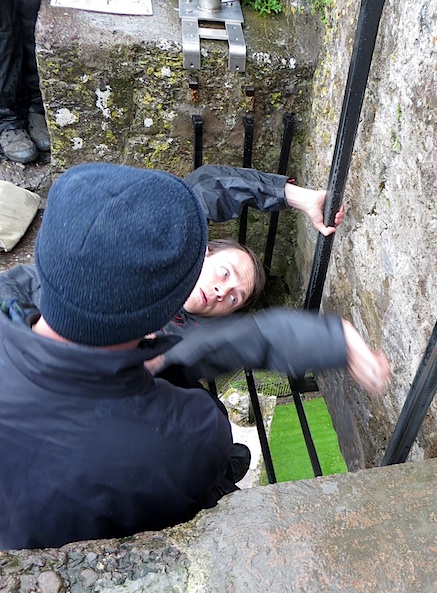
However, held…awkwardly by high-school students, we finally made out with the rock:

BlarneyStone

Scared of herpes.

I didn’t feel any more loquacious.  But I won’t rule out venereal diseases.  Afterwards, enjoying the Fall-tinted views helped us forget the stone-licking.

BlarneyCastleView

Fall-tinted.

But back to beer.

REBEL LAGER:

It looks pale like lager.  Aromas smell of white bread, apple, and lemon.  The acid and tannin kindly kick my palate.  Flavors pounce with warm white bread, tart golden delicious apple, potatoes, wheat, and honey.  The length is medium.  Hardly a rebel, this good (3 of 5) lager is bready, round, and pleasant: kinda like our homestay’s cat/pillow Yuki:

CorkYukiCat

“Now you can never leave”.

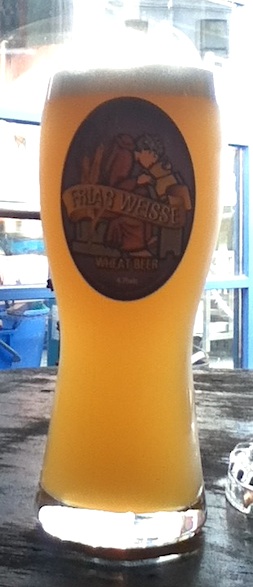
FRIAR WEISSE WHEAT BEER:

CorkFriarWeisse

The magic happens behind.

Like a proper Weisse, Friar looks a hazy but is darker gold amber then your usual.

Loads of banana cream pie and pineapple turnover cake aromas bounce out.

The palate is tart enough but average everywhere else.  Flavors cloy with sticky notes of banana and pineapple again but a bit of lemongrass and citrus tightens up the fruit bomb.  The length is medium plus.

Friar Weisse makes for a good dessert (3 of 5).  But it is too fruity and not refreshing enough.

Time to switch beer gears.

I hit the bar and order the “Shandon”.  It turns out two Shandon’s exist.  The Shandon Stout had dried up.  But a pale gold pint of Hard Apple Cider fills before me, also called Shandon. “That’s a strange-looking stout”. “Yup”. “Maybe you should work on your branding”. “Yup”.

SHANDON CIDER:

Now we don’t expect much.  Cider usually ends up sweet: desperately designed for underage binges.  Ah high school…memories?

Rapid fizz pervades everywhere, even my socks.  It smells plainly of bread yeast and a big green apple.  Then, wonderfully, the palate turns out dry.  Acid is armored and sharp, tannins noted.  Rich, complex flavors completely ignore their apple origins.  The anarchists include lemon pith, orange, vanilla, white chocolate, and loads of smoke, maybe oak?  The length is medium plus.  Shandon Cider is very good (4 of 5) and wickedly tart.

But wait.  There’s more.

A cask beer-off calls us back to the Franciscan Well next Monday.  Check back next week for our last day in Ireland.

Posted in Ireland, Uncategorized, WINERIES WANDERED | Tagged , , , , , , , , , , , , , , , | 9 Comments

SMITHWICKS VISIT: KILKENNEY, IRELAND: EU Austerity Drinking Tour #36

Like most dark comedies, today we attend a funeral.

Last week’s post intimated that Smithwick’s (pronounced Smith-Icks), Ireland’s oldest brewery, will die.  Its owner Diageo decided to move Smithwick’s from its birthplace in Kilkenny to Dublin.  Demolitions are pending.

We’ll get to why later.  Our tour starts in a few hours.  So we hike up to Kilkenny Castle to peruse the rise and fall of another local royalty.

KilkenneyCASTLETandA

The grass couldn’t be greener.

The horse stables now house an artist commune: strange yet charming.

THE TOUR

KilkenneySMITHICKsHighVisibility

Captain Morgan would be proud.

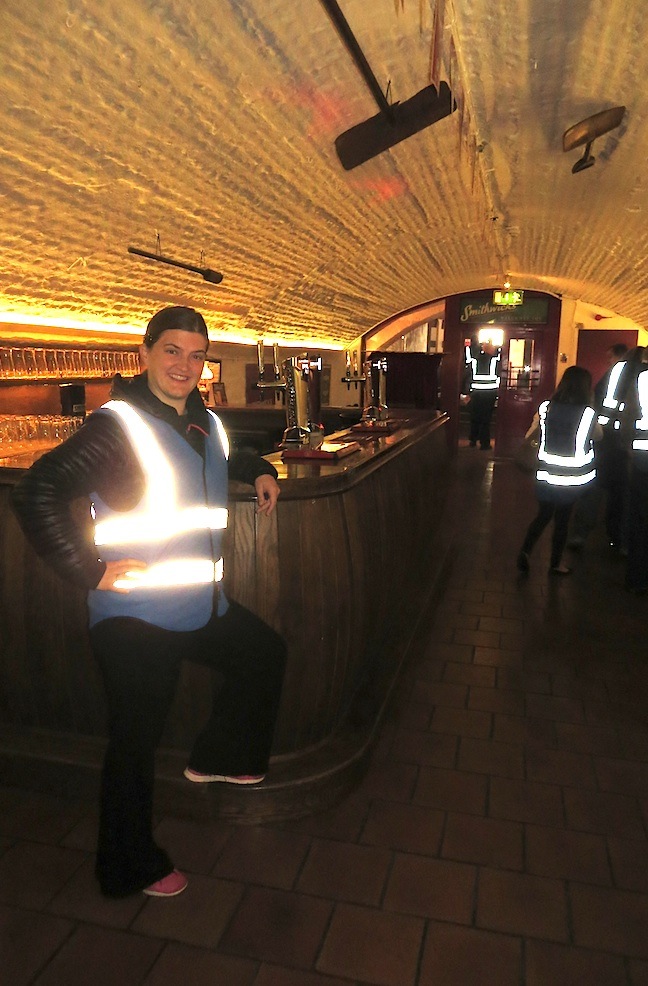
Back at Smithwick’s brewery, our group files into the 18th century vault.

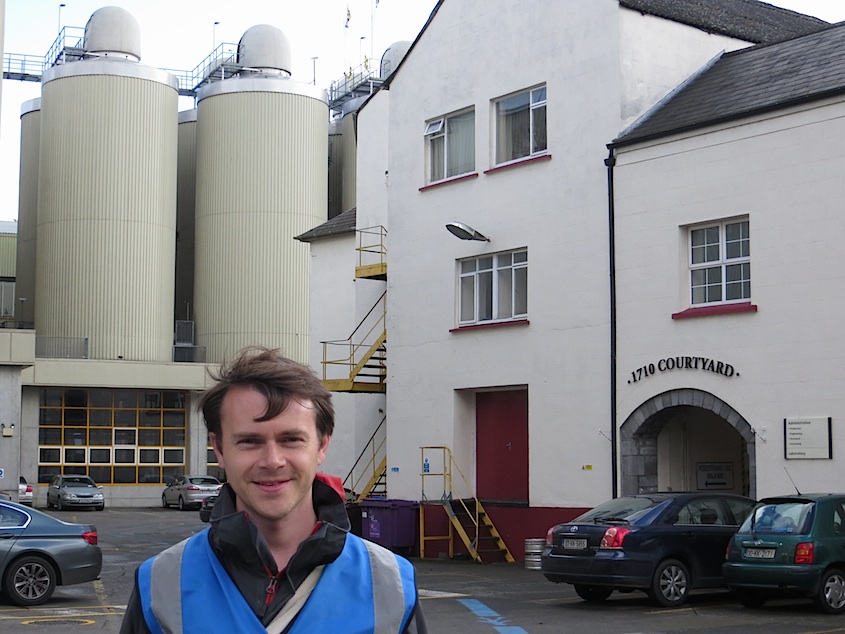
Because they still make beer here, with trucks and fork-lifts grumbling about, we don high-visibility jackets.

Now completely safe, we enter the 1710 courtyard for a seminar.  Their brewer of 30 years, now retired, explains the entire history of Ireland in terms of beer: how monks brewed here, how Smithwick went from an orphan to a brewer and shaped and saved Kilkenny during fires, civil wars, and famines.

Our guide’s cool demeanor occasionally twists a smirking knife into the British, or lager, or mass-consumerism.

But his stage keeps distracting me.  312 year-old facilities work alongside these massive modern storage tanks.  They still hold beer but will soon be gone.  Melancholy mixes with his pride.

KilkennySmithicks1710courtyardAaron

Past and present clashing courtyard.

Next to the tanks, we walk a few feet to St. Francis Abbey, where god and beer got a start in the 1300s.

KilkennySmiwicksStFrancisAbbey

Getting thirsty…

Tombstones and column stumps crowd the interior.  A side chapel still serves Smithwick’s staff in search of higher light.

KilkennySmithwicksGogglesAaron

Fashionable!

Goggles on, we clamber into the brewery.  Our guide walks us past mash tuns gurgling with yeast and grain.  It smells of apple sauce.  He pauses to point at every pipe and tank, explaining each stage of beer-making like a favorite child.

College-level chemistry lesson over, we descend back into the bar.

KilkennySmithwicksBarAaron

Beer please.

Our guide lines the counter with pint glasses and dives into another lesson.

We have seen this trick before: topping off the pint endlessly until the foam floats like a cloud, centimeters above the rim.  It amazes tourists no end.  But this method also carries all the tannic and bitter acids into the head, like oil above water.

KilkennySmithwicksBeerPints

Gorgeous.

Now we had Smithwick’s last night.  From can.  It looked a lovely garnet but tasted tinny, tart, and wretchedly bland.

Here, now, infused with two hours of beer talk from its proudest missionary, our palates beg for a pint.

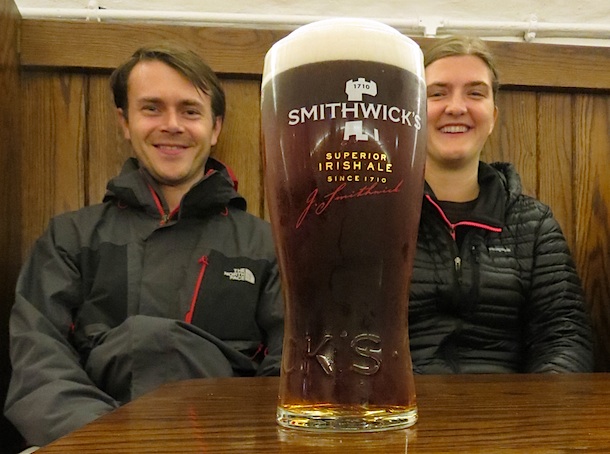
KilkennySmithwicksBeerTandA

Excited? Not at all!

It tastes nothing like the can.  Bright apple acidity quenches our thirst.  Soft toffeed malt and edgy wheat-like rye vie for attention.  The beer balances freshness and easiness all too well.  It seems very good.  But we wear red-ale-colored glasses.

I ask our guide about Diageo moving Smithwick’s to Dublin and the shut down.  Bitter but resigned, he shrugs it off.  “If it makes their books work, can’t blame them.  It’s shite for the town, but we wouldn’t have become all this without them.”

Luckily, he pours a few too many pints before we leave.

Fizzy and fuzzy, we cross the street to tour the Rothe House: a 16th century poor house.  This distracted wine geek finds ancient Muscat-related vines for experimental wines.  The Irish could make wine!  Maybe!

KilkennyIrishVinesGrapeAaron

Brave.

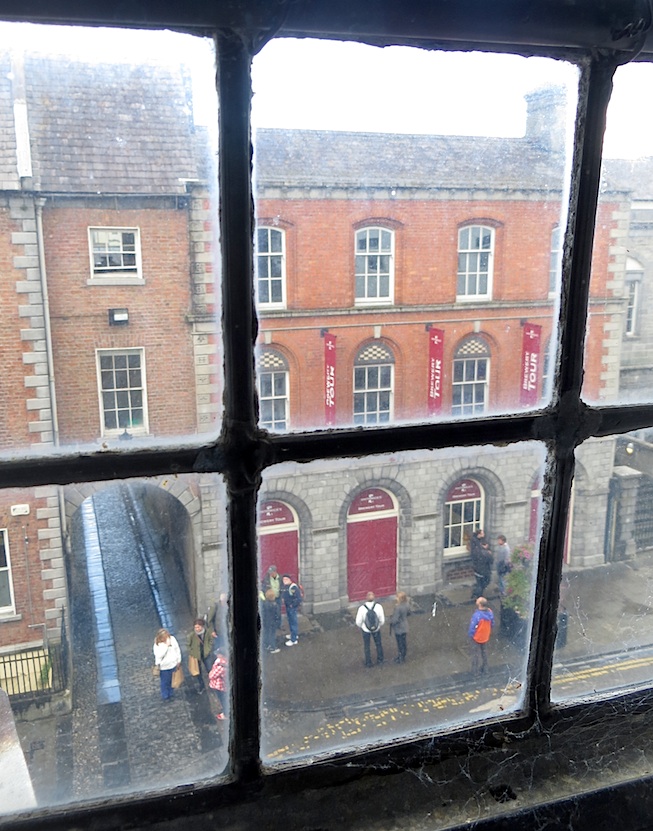
Upstairs, unexpectedly, Smithwick’s pops through old windows.

KilkennySmithwicksthroughWindow

Hard to get tours.

I smile with regret.  The historic building and delivery gate will stay.  But the iconic tanks and beer-making will disappear.

Why?  Profit.

Keeping 300 years of tradition means paying for distance distribution, old facilities, an extra workforce, and other added costs.  Why not make all your beers at one plant with one team?

Diageo assumes that the brand will work without its origins.  They pretend we won’t notice the move.

And they are right.

Most “international” beer we drink is made close to home, brewed under license to the same recipe.  Check the fine print the next time you buy a Tuborg, Carlsberg, Fosters, Guinness, Harp, Sapporo, or Kirin in America.  You might see Canada hiding there.

Science can replicate nearly anything anywhere.  It costs us less.  And it ensures freshness and a million other logistical issues.  But kill your beer’s birthplace and, someday, you kill its identity.

People buy Smithwick’s because they are buying Ireland.  They want to drink the heritage of Ireland’s oldest brewery.  Their latest add pushes that point:

But that wasn’t filmed at Smithwick’s.  The beer will be as real as that squirrel.

We visited this brewery to connect with its origin myths.  Like pilgrims touching saint relics, we may lack religion but still crave things greater than us.

These myths made the beer better.  Drinking it made our dull day more interesting.  For we could drink a beer made by an orphan of the Irish Rebellion.  A beer that survived three centuries of turmoil and progress.

Demolish the brewery and watch Kilkenny contract.

Strip Smithwick’s from its home and it is just any other beer.

LEAVING KILKENNY

We will miss this town.  The people are all kindness.  Every inch has a history.  Hell, even the tourist office resides in a medieval home.

KilkennyTouristOffice

Pasta tonight?

But things change.  Next week, our last stop in Ireland before France: Cork.  For now, Kilkenny, thanks for the pints.

KilkennyCathedral

Kilkenny Cathedral.

Posted in Ireland, WINERIES WANDERED | Tagged , , , , , , , | 2 Comments

KILKENNY: Arthur’s Day; St Canice Cathedral: EU Austerity Drinking Tour #35

KILKENNYmap

Two months into our EU AUSTERITY MEASURES DRINKING ADVENTURE

We bus to Kilkenny in the heart of Ireland, after a beer-drowned week around Dublin (posted last Monday).  Or least that’s what we think.

Exhausted, I book our one-way ticket as round-trip.  Idiot.  I can’t change it.  To top it off, our bus gets sideswiped by a red van.  We spend nearly two hours sitting, still in Dublin.  The Garda take statements and calm down a grandma before we can set off.

Now the Irish countryside looks lovely.  But I need to pee.  A kindly home goods store lets us get back on the road.

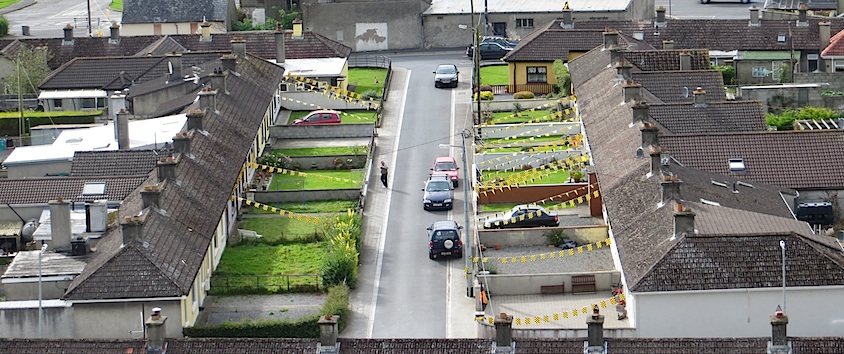
Once settled into our hostel, we immediately hike over to St Canice’s Cathedral.  It looms over the town like an ash colored chef’s hat.

A leaning tower beside it beckons us to climb.  It dates to the 800s.  It is one of two Celtic Towers intact enough to climb.  Sounds safe.

KILKENNYtowerTracyEmerge

Like dough from a pastry tube.

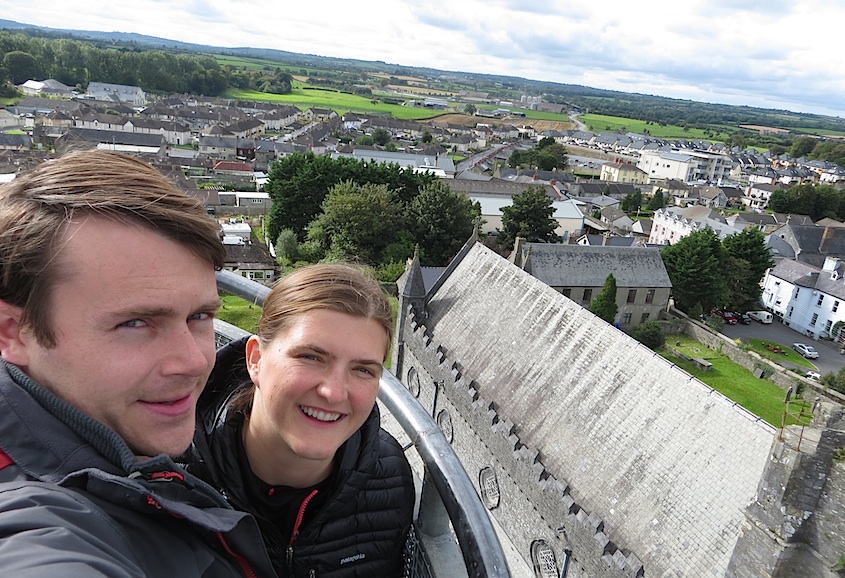
We squeeze through the narrow stairs and emerge 100 feet in the air.

KILKENNYtowerTopTandA

That’s a cathedral…below us.

We sight suburban ants prepping their homes for sport:

KILKENNYFans

Adorably small.

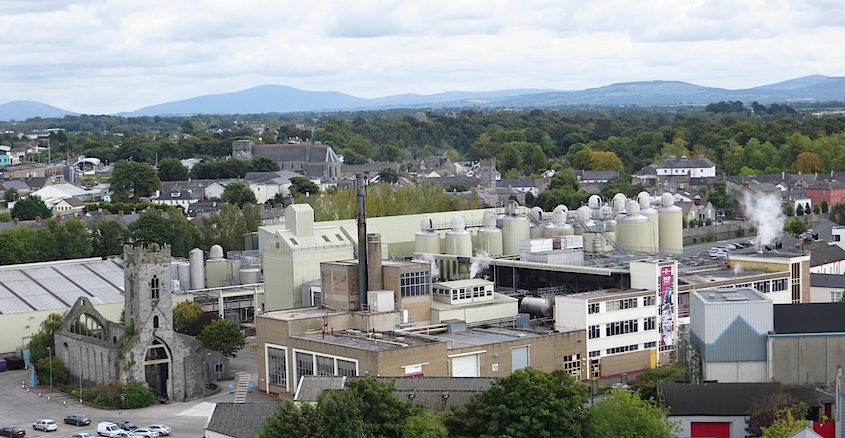
and find Smithwick’s Brewery with it’s own abbey (of course), which we will visit tomorrow (next Monday’s post):

KILKENNYSmithwicksFactory

You can smell the malted magic.

By now, the tower must be swaying.  Feeling like Jimmy Stewart (the one with vertigo, not an obsession with blonds) we descend.

Still shaking, we pop into the Cathedral.  Hardly in its salad days either, St Canice dates to the 1300s.  Gothic, gray limestone arches frame endless artifacts and tombs.  We find the Chair of St Keiran, and enthrone ourselves like bishops have for over a millennium:

KILKENNYthrone

Like a boss.

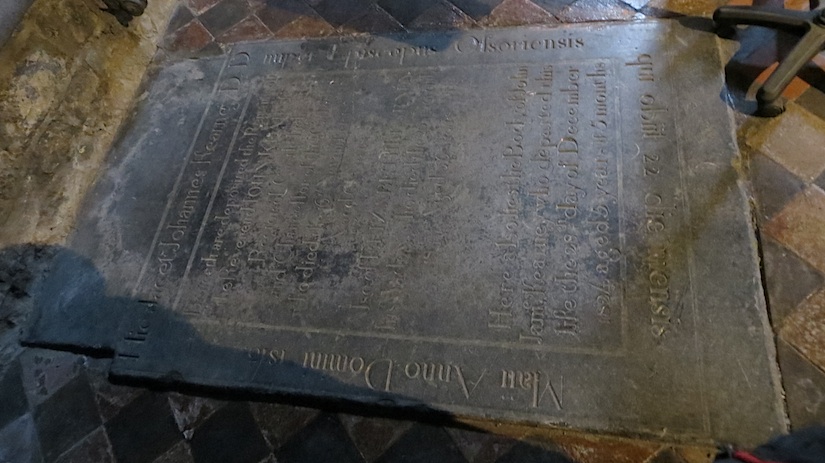
On our way out we spot the tomb of President Barack Obama’s great, great, great, great grand uncle:

KILKENNYtombObama

Bet he never saw that coming: John Kearney: Bishop of Ossory and Provost of Trinity College 1813.

Wait.  Oh crap!  I forgot this was a drinks blog.

KILKENNYguinnessArthursDay

Pint please!

Right.  Well, today just happens to be Arthur Guinness’s 253rd birthday.  So we drop into our local for a free couple of black dresses.

A celtic band starts up.  Couples with babies, bros, and a few Dutch tourists fill every nook.

Soon the band devolves into a Karaoke fest with the locals.  We leave to wander Kilkenny’s ancient cobbles.

Every pub riots with Arthur’s Day glee.  We cross the river.  The setting sun glimmers on the band of water, pointing an amber arrow to Kilkenny Castle.

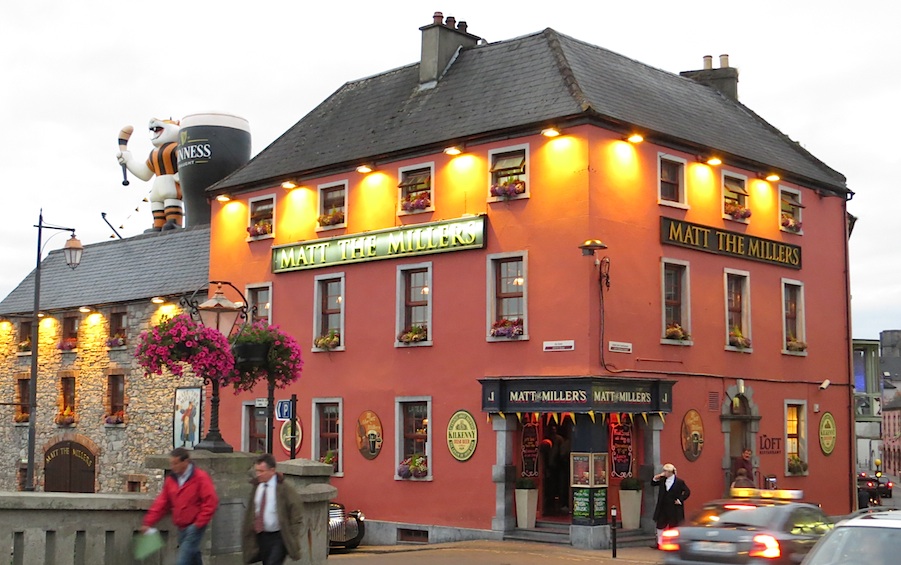
We spot Matt the Millers.  The pub glows.  An inflated hurling mascot and pint watch over town.

At the door, with a classic car, swaggers the birthday boy himself: Arthur Guinness.

KILKENNYArthursNight

Milling…sure.

“Hay ladies! Who wants beer? It’s Arthur! It’s me birthday! Look at me ride, aint she a bute?” the teenager stammers with glee.

KilkennyArthurGuinnessHimself

Hard working.

In case you missed him, here’s a close up.  And yes, that’s a pint.

We keep walking.

This international day to Guinness starts to smell of corporate hegemony.  We are celebrating the drink that will destroy this town.

Diageo (the conglomerate founded by Guinness) now owns the local Smithwick’s brewery: Ireland’s oldest, dating back to 1710.  Soon they will close production here completely.  Demolitions start late in 2013.

But in next week’s post, we visit Smithwick’s Brewery and will flesh this all out.

Posted in Ireland, WINERIES WANDERED | Tagged , , , , , , , , , , , , , , , , , , | 2 Comments