Ocean Vodka: Maui Drinks Part 2

We continue Part Two of our drinking adventure through Maui.  As mentioned in the last distillery review (read here), Maui has a problem.  The sugar cane monopoly collapsed last year. Now endless fields of sugar cane run wild across this Hawaiian island. Can a boutique drinks industry salvage or even transform the island’s economy?

But first, lunch.

Lightly buzzing from our tasting at Haliimaile Distillery, we check out the nearby glass art factory, skip the food truck and far too fancy “deli”. Instead, we search the net for something not awash with tourists. Luckily, master sushi maker, Kojima saves us, green tea cleanses along with some of the best unagi within memory.
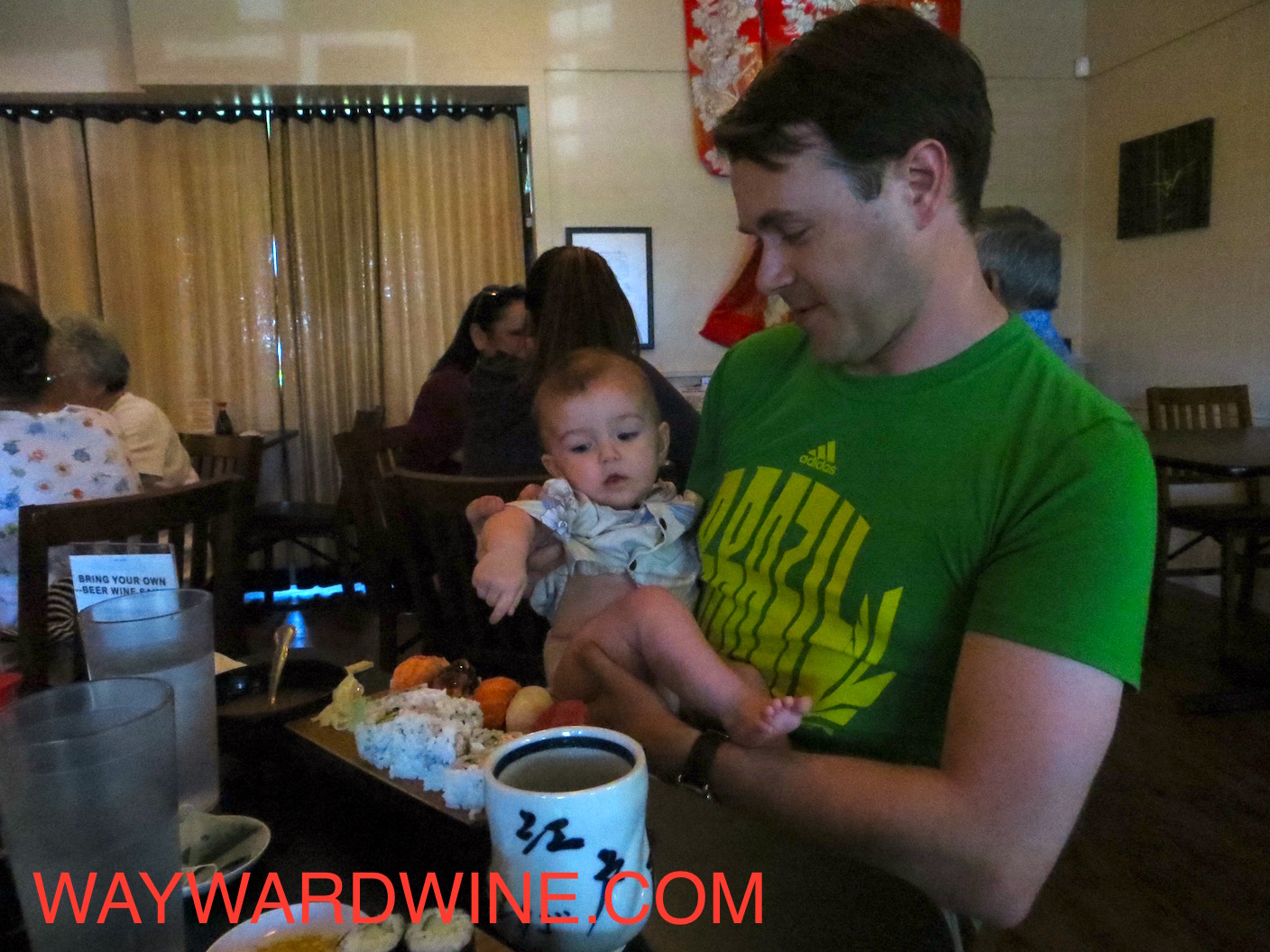
Daughter picks out which raw fish she wants.

We pop by Surfing Goat Dairy for a fresh yet varied cheese tasting, risky goat petting, and then we roll deeper uphill to Maui’s other spirit producer: Ocean.

Ocean quickly set sights on one market with one product: organic vodka. I can’t name an organic vodka.  This could work.

Just above a cliff’s edge, on a grassy plateau, stands Ocean’s new red shed.  Once a cattle ranch, cane fields now cover the ground.
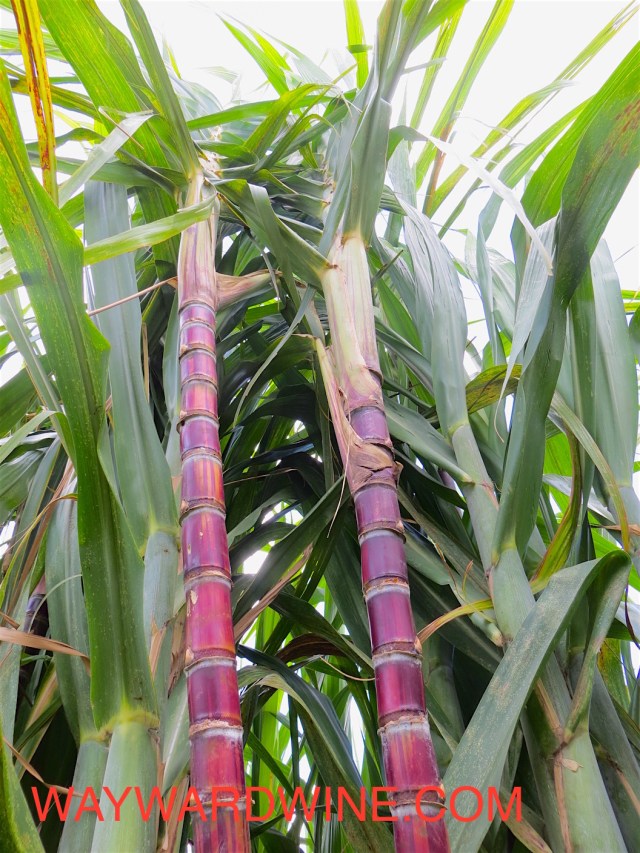
Cane Sugar Ocean

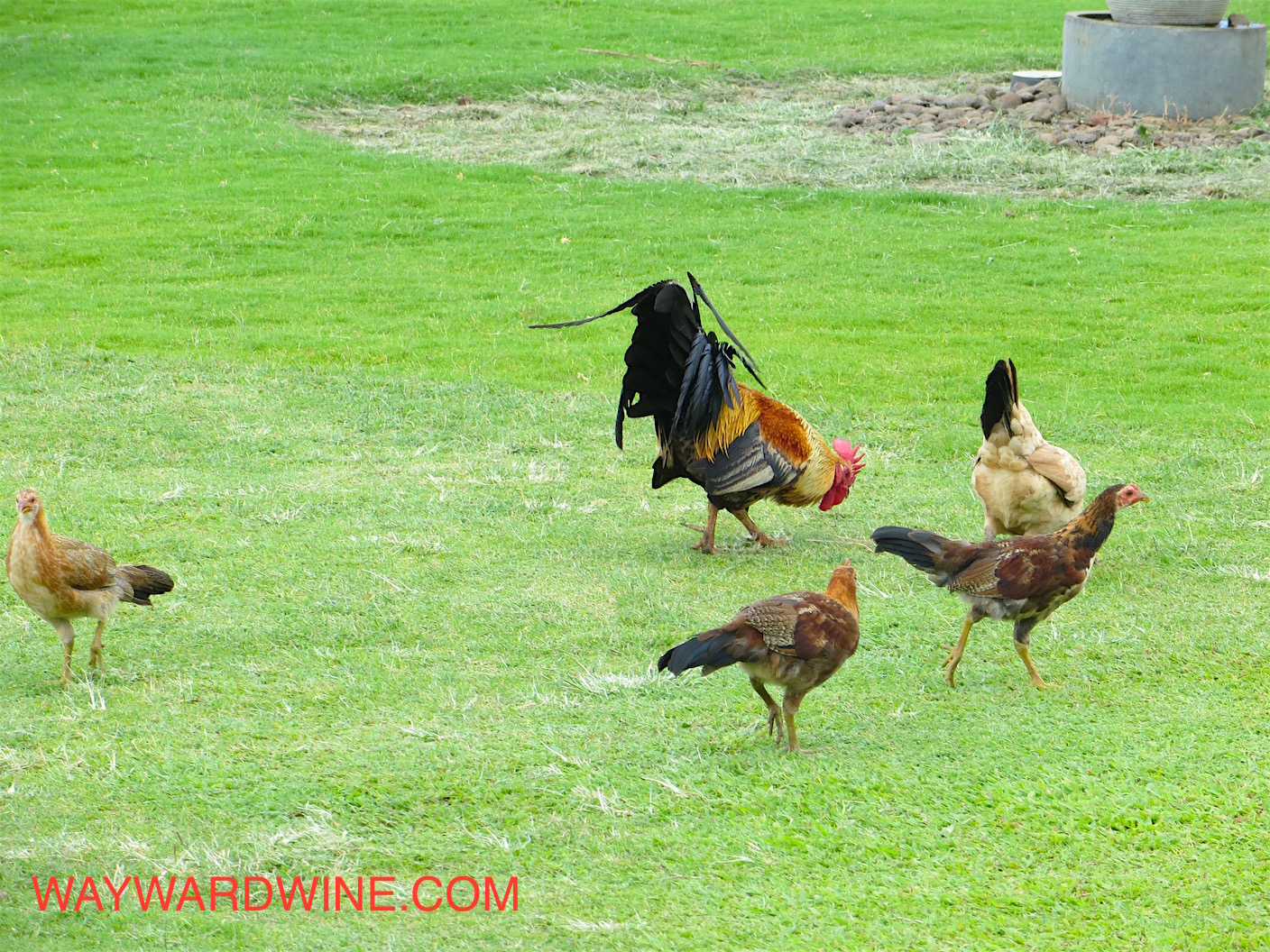
Organic thinking lines everything from their single estate cane sugar farm, to solar panels, to water reclamation, to chickens that roam the property, like everywhere on Maui, eating pests and fertilizing the canes.
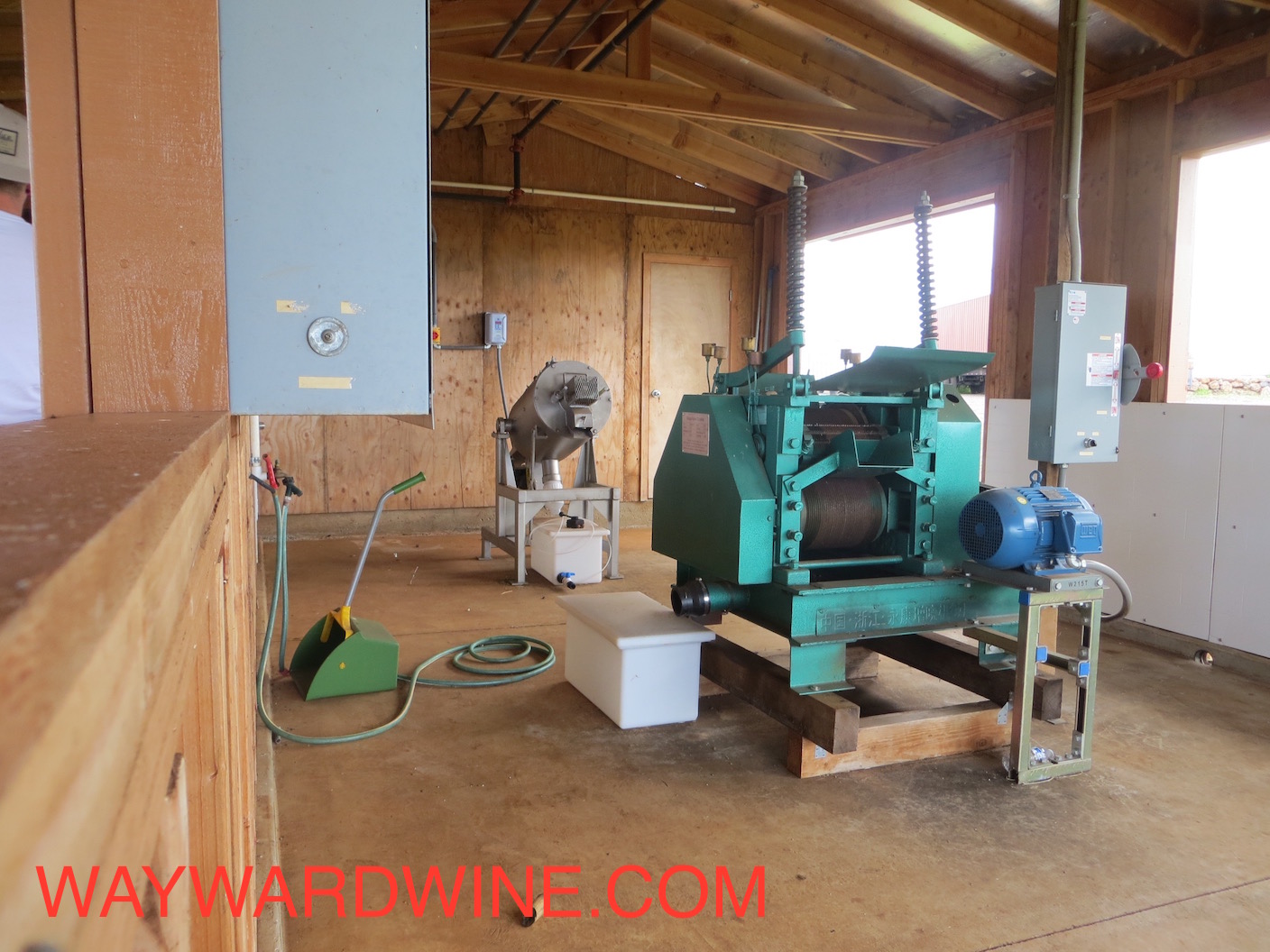
The canes get dehusked thanks to a fancy mill which looks disturbingly tidy.
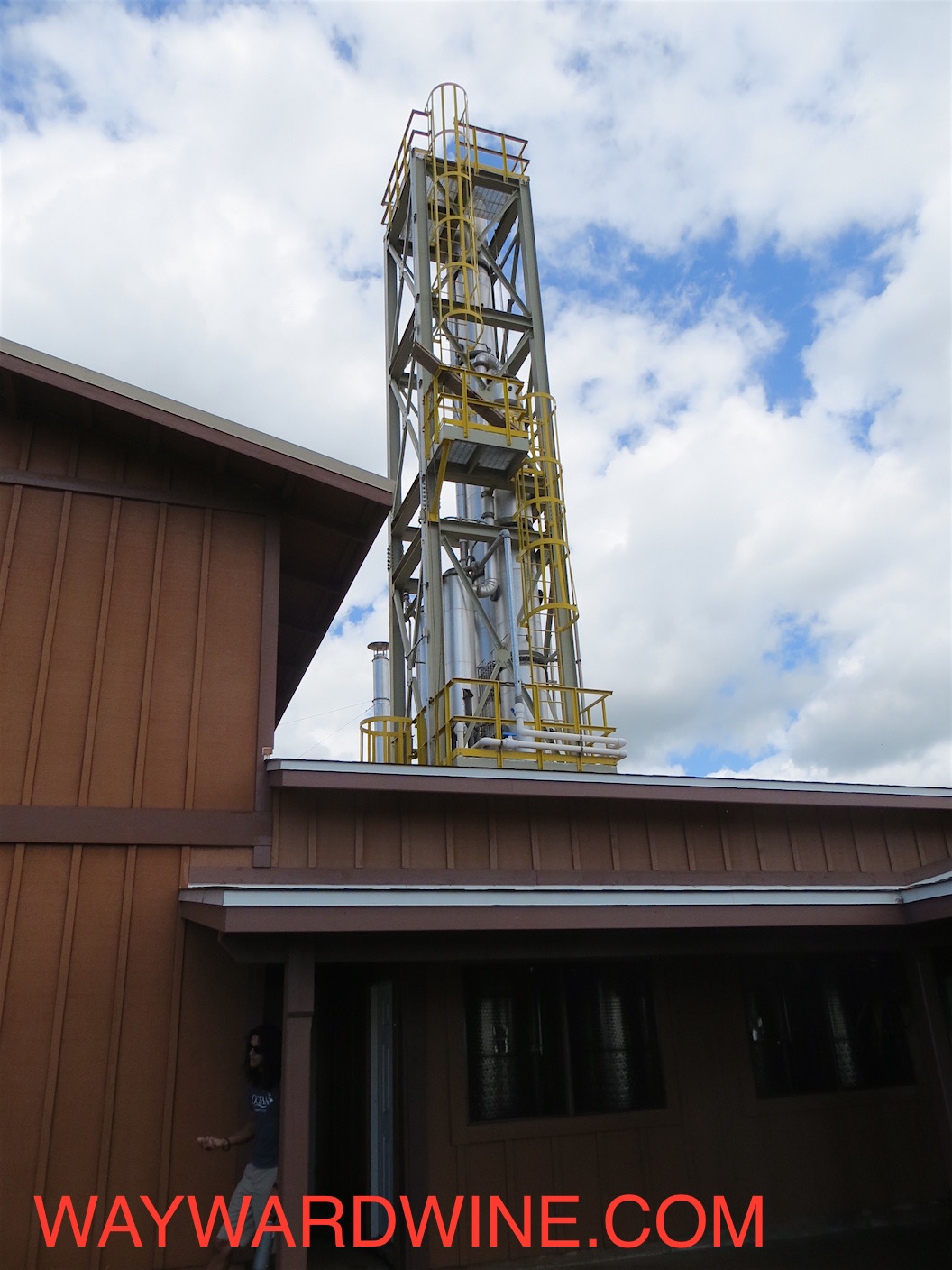
The custom continuous still tower pops stories out  the roof, subjecting the cane sugar to twenty passes (most vodka go three or four).  Ocean’s goal is to cut any head or tail that might give their vodka the slightest edge.
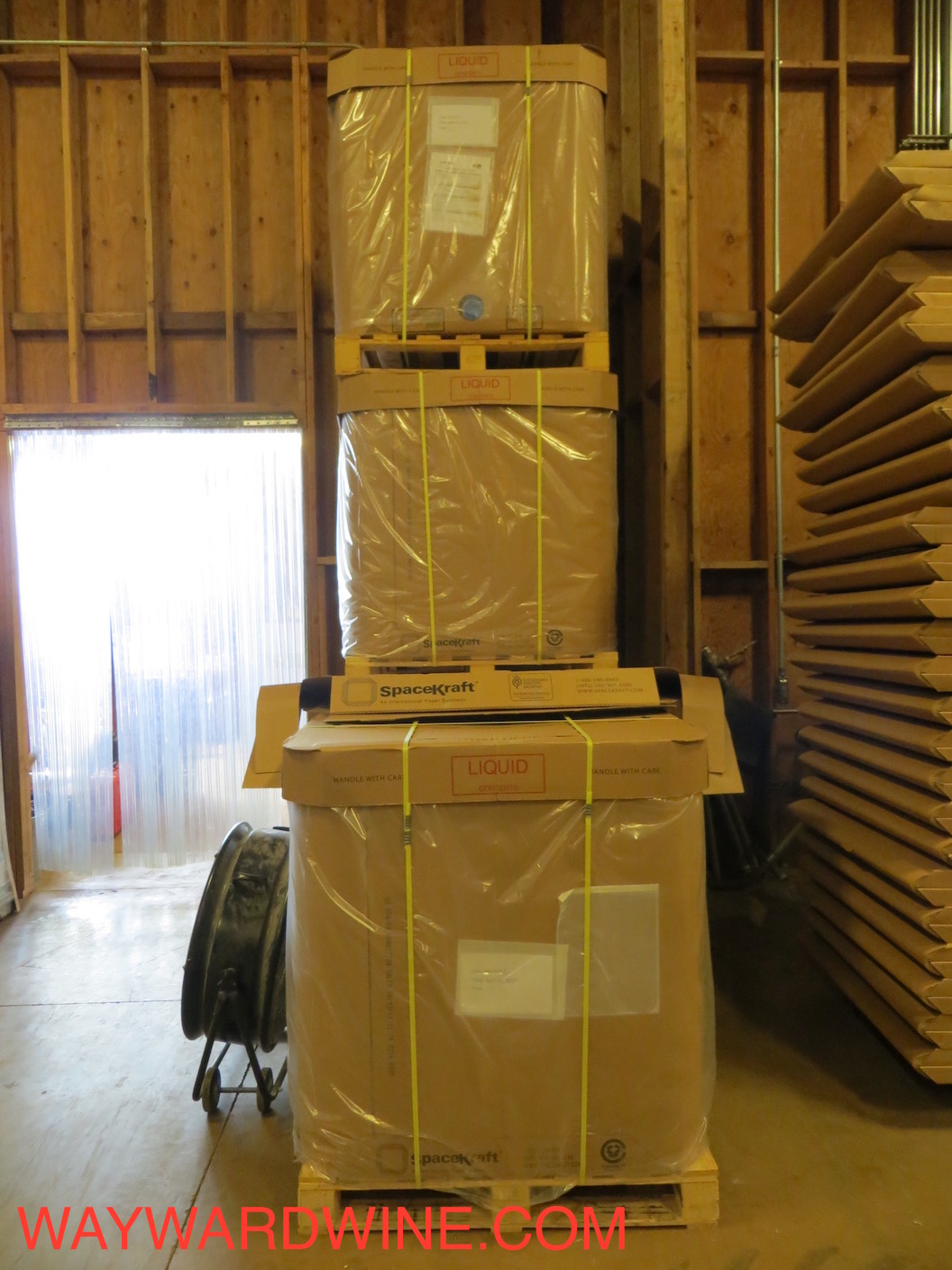
Once sugar becomes alcohol, it needs to be watered down to standard 40% alcohol.  But tap water on Maui varies immensely.  So Ocean sources the purest possible water from the Big Island, strangely sent in massive bag in boxes that get reused.
A pot still makes a small bit of their white rum.

Like everything, Ocean’s bottling line looks immaculate to the point of obsessive compulsive. Once filled, their Japanese float-like bottles enter and leave in the same box to avoid waste.
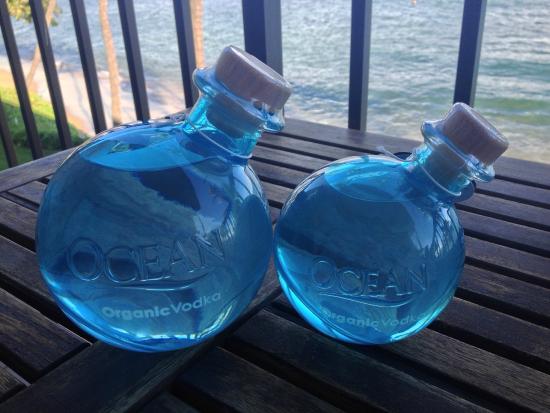
So, what does all this commitment to uber premium vodka taste like?

Making a $12 tour out of one or two products asks a lot of Ocean’s staff.  I feel like I am at a mini Opus One again.  Luckily, our guide could go for days.  He may also be the first person who proudly drinks vodka neat.  It feels a touch ridiculous, but he walks us through a three step tasting: first neat to ground our palates, then again to analyze it, and finally with a water splash to open it and cut the edge.

Admittedly, Ocean vodka is silken, viscous, round, and warm with narry a harsh thing to say about anyone.  If you squint extremely hard, a wee bit of soft water, aniseed, pineapple, and salinity emerge.  It may be the cleanest vodka I have tried (very good 4 of 5) but it is still vodka. $33 dollars will get you a 750ml bottle, but $5 dollars will get you an adorable, pocket-sized 50ml float bottle at most gift shops.

Their white rum seems similarly soft, but glows heavy with mango, coconut, and vanilla syrup flavors. Not my thing but good (3 of 5). I look forward to their rumored gin.

Ocean kills it on the islands. Their blue bobbles stack high in Costco and hang like register candy at ABC stores and groceries.  They have strategically and smartly wedged into the West Coast as well.

So, choose: anodyne, organic vodka pe‏rfection or a style mashup to fit every bar’s needs?  Both Haliimaile and Ocean do local well, just for different ends.  Neither will save Maui’s dying agriculture.  Automation, gentrification, globalization, and land costs have simply rendered sugar as unprofitable.  However, both distilleries point to paths of premium products that may keep people and land working.

Posted in Uncategorized | Tagged , , , , , , , , | 4 Comments

SPIRITED DAY: Hali’imaile Distillery Maui

SPIRITED DAY: Hali’imaile Distillery Maui

This Memorial Day kicks off our series on America’s tropical paradise, Maui.  Where better to “drink local”, yet dive into coffee, pineapple vodka, sugar cane gin, pineapple and, yes, grape wine, along with endless cocktails wedged by a pineapple than the Hawaiian islands.  Welcome to Wayward Wine.

Maui has a green sea of sugar cane and pineapple-lined hills. But after over a century, the Baldwin sugar cane empire has collapsed. Losing $30 million in 2015 meant 36,000 acres now run wild with canes.  They grow like grass and the plant rusts in ruin. People blame everything from South America, to China, to wages, to our shift to corn syrup.

Sugar Cane Factory Maui

Now what?

Luckily, sugar canes and pineapples have sugar. Luckier, sugar wants to become alcohol. Thus, we go to drink liquor for breakfast.  We stumble into the car and drive from west coast Kihei into upcountry Maui.  The canes wave at us through the green valley.

Below a tree-shaded slope, a metal quanset hut and shed sit unassumingly. We check in and hide from sun in their barrel shed.  From a family of distillers, the LeVecke brothers  hired master distiller Mark Nigbur from Colorado and moved him to Maui.

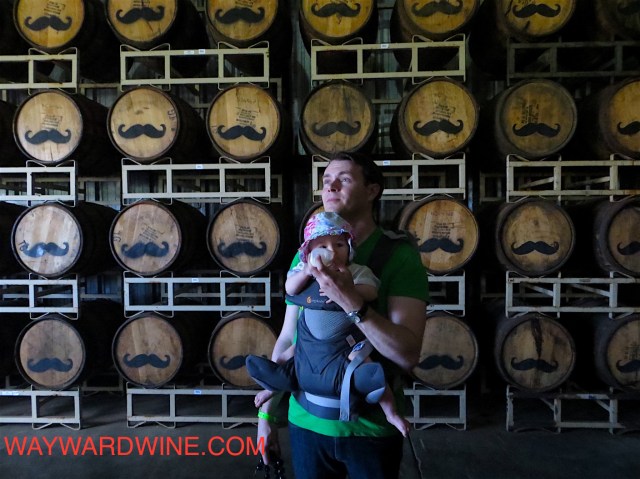
Mustachioed whisky barrels wink at Maui’s cowboy past.

Hallimaile Distillery Barrels Alexandria Aaron

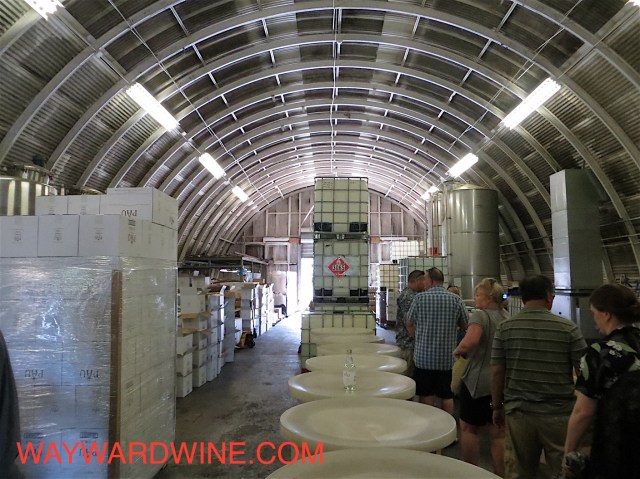
Hali’imaile’s production squeezes between the corrugated steel arc that once used for painting. White food grade tubs line the center. In each, they variously ferment sugar cane and pineapple.

Hallimaile Distillery Wide

The sugar cane will grow up into gin and rum. The pineapple will become vodka. But first, once alcoholic, they must transfer into custom stills based on pharmaceutical models. These are pretty sweet. Their glass gets blown in Germany.  Heat jackets bring it to boil evaporating alcohol. Then that tall column of silver fibers filters impurities and the cycle continues.

Pau Vodka Stills

Today, they bubble botanicals and sugar cane into rum.

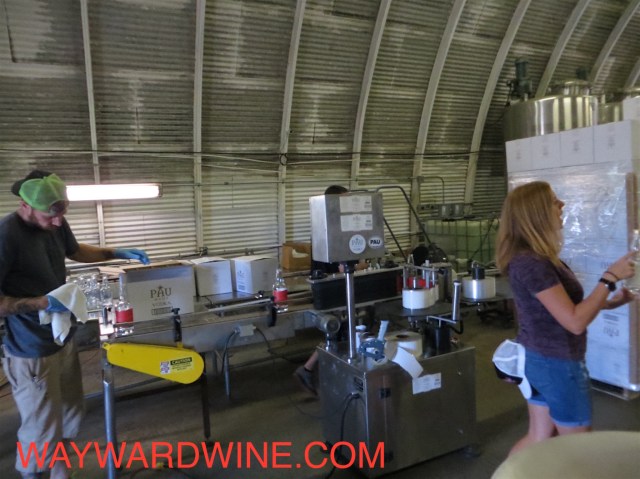
Hali’imaile even has their own wee bottling line.

PAU bottling line

A couple large tanks store rum and vodka.

PAU vodka Tanks

Hali’imaile’s range rests mainly on their pineapple vodka Pau.  It is a solid, clear vodka that tastes aptly neutral, but lightly spicy and a bit hot and edgy. I know vodka’s wheelhouse should be smooth and flavorless, but I like Pau’s character. It tastes nothing like pineapple, but something of pineapple’s structure, its reediness, its acidity, hangs on. Very good (4 of 5).

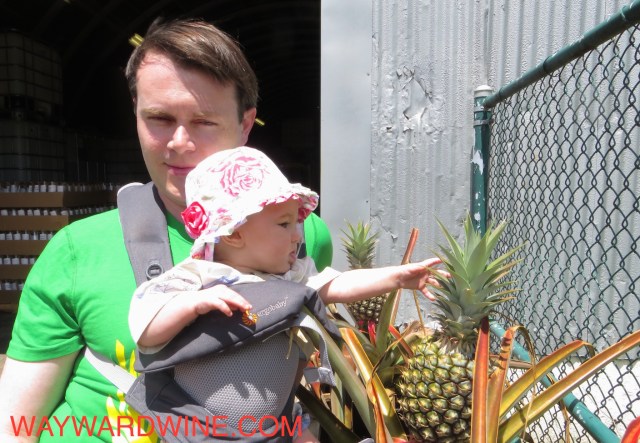
PAU Distillery PINEAPPLE

The pineapple vodka also finds its way into expensive barrels from Limousin, France.  The staff dally about divulging the aging procedure, but these are clearly quality used barrels and see at least a year if not more: Pau’s original edge tastes halved, as Pau Oaked Vodka now blanketed with dried vanilla bean, light tobacco.  Poured neat, this makes a lovely night cap. Very good (4 of 5). We buy a bottle for $36.

We try their Beach Bar White Rum tied to Sammy Haggar (like coconut water, viscous, but warm and round: good 3 of 5) and finish with their Fid Street Gin, which tastes like even more like coconut, dried orange peel and especially of cardamom, finishing with candied vanilla. It is very good (4 of 5), if a bit cloying.

Our biggest fault is being purists.  Limited to four tastings, we forgo tasting their flavored range.  Other spirits include an interesting experiment, Paniolo Blended Whiskey: a blend of Kentucky Straight Bourbon Whiskey and their Pau pineapple vodka. The Maui Moon range features flavored vodkas in a tiki god bottle: Hibiscus Flavored Vodka Pineapple Orange Guava Chocolate Macadamia Nut.

In summation, Hali’imaile makes a wide range of spirits to please different customers.  The tour is efficient, informative, and they let the baby tag along.  They try to lead with a rebellious, surfer, rocker, masculine image that gets a mit muddled with so many products.  But that makes them interesting. This is not a bar, the tasting is limited to an ounce of four items only.


Posted in Uncategorized | Tagged , , , , , , , , , , , , | 5 Comments

Maui Mother’s Day

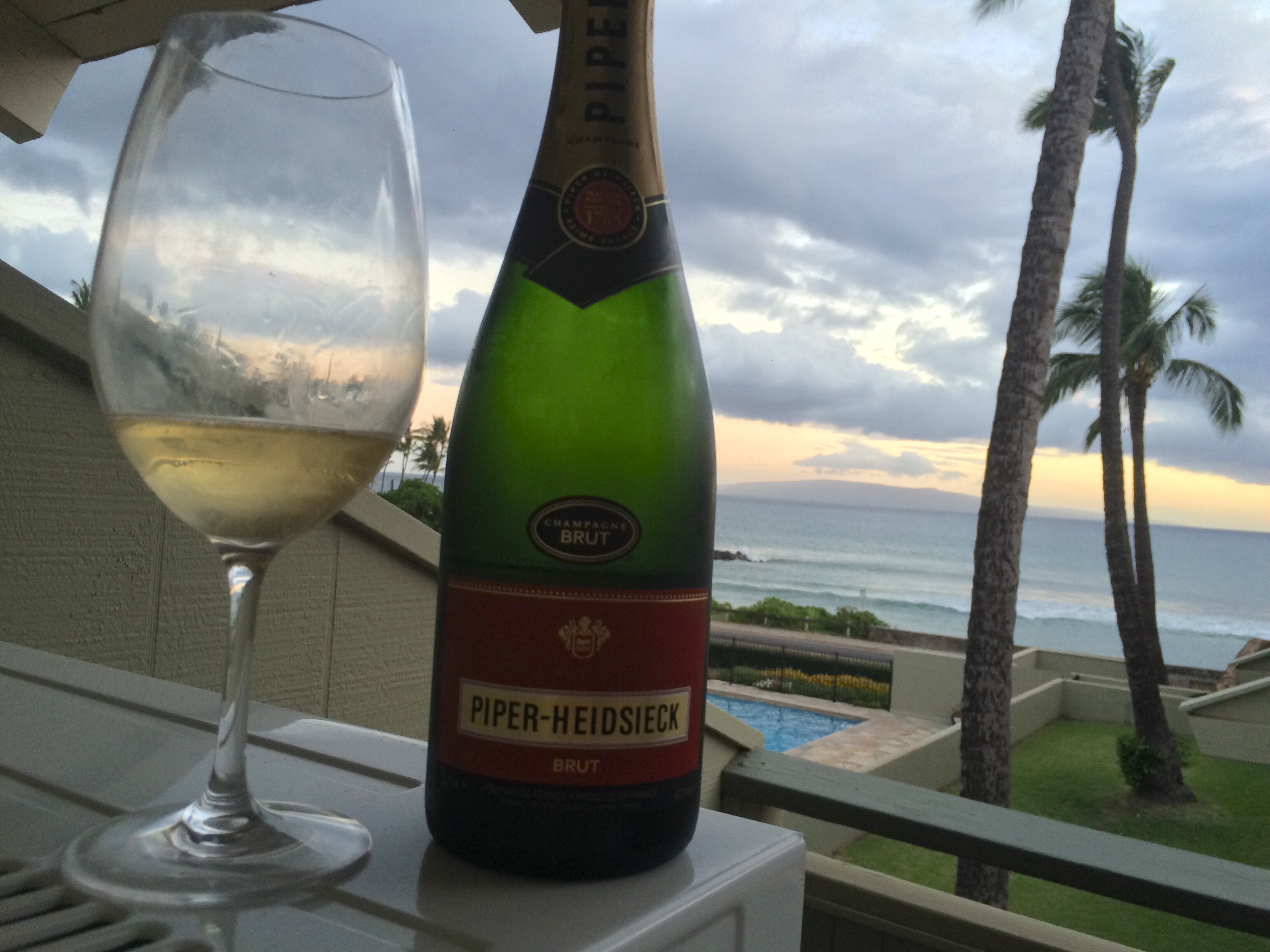
Winding down a beautiful Mother’s Day on Maui, Hawaii with nutty, figgy, baguette crust-driven Champagne, yet with a pithy, chalky, and pleasantly bitter medium plus finish. Very good 4 of 5.  Thanks Maui Costco for selling it at $38 Piper-Heidsieck Champagne Brut NV.

Posted in Uncategorized | Leave a comment

Celebrity and the Changing Landscape of Wine: Terry Hoage Wine Review

Celebrity wine.

I have mixed feelings.  It seems buying a winery has become salve for a small handful of midlife crises.  Owning three Ferraris, an island, and six children just does not cut it anymore.  Brangelina, Drew Barrymore, Dan Ackroyd, Dave Matthews, Sam Neill, Coppola, Johnny Depp, and more have dipped their gilt toes into wineries with various success.

And then there are football players: people we imagine crushing six packs of Bud into their foreheads.  Yet some -beneath that sweaty, helmeted, shoulder-padded facade- actually drink wine.  Mike Ditka, Drew Bledsoe, Dan Marino, Charles Woodson, and Terry Hoage own wineries.

NFL Historical Imagery

I had never heard of Terry Hoage. Then my mother-in-law shows up with a red and white.  A night later, someone at a bar pulls out their own bottle to share.  The universe was telling me something (that or I spend way too much time with alcohol).

Hoage played as defensive back through the 80s into the mid 90s.  But he hated his second career in finance, so, in 2004, with wife, parents, and uncle in tow, built a 3,000 square foot winery and purchased a 26 acre organic vineyard in Willow Creek AVA Paso Robles, California.  Luckily, Justin Smith of SAXUM Vineyards made a few vintages and taught Terry and wife Jenn his trade.

Today, they keep it modern but simple: no racking, fining, nor filtering.  Oxygen is the enemy of fruit.  Their mono-varietal wines and blends include what Paso does best: Syrah, Grenache, Mourvedre, Grenache Blanc, Roussanne, and a rarely planted Picpoul Blanc.

A wee two acre plot of limestone provides Grenache Blanc, Roussanne, and Picpoul Blanc for Hoage’s white blend, The Gap: named for the cooling Templeton Gap, without which, white grapes would loose all acidity.

TH, The Gap White, Paso Robles, California 2015  $40.00

The appearance looks a clear, mild, bright golden hay color, with thick waxy legs. Plump, pleasant aromas include fresh honeydew melon, creme fraische, toasted vanilla bean, and almond.  The palate feels fat, round, soft yet dry, with fine bright acidity, and notably warm viscous alcohol.  Moderate flavors carry the aroma, again with honeydew melon, lemon, and roasted vanilla of medium plus length.
TH’s The Gap is crisp enough, thanks Picpoul, yet round and melon-driven because of the Grenache.  But I smell French trees.  The oak though annoys me.   It takes this pleasant, perky little white and tries to makes it complex, serious, modern, American, and well oaky.  Still, The Gap is very good 4 of 5.
Terry Hoage, The 46, Paso Robles California 2014 S40

Hoage named The 46 after the Highway the winery is on and a football defensive play.  He blends 48% Grenache, 40% Syrah, and 12% Mourvedre.  So classic GSM, Rhône ranger stuff here, with a touch of pigskin:

Terry Hoage The 46 2014 Red

The appearance looks a clear but deep purple, with a short clear, ruby rim and washing legs.  Proud aromas of cracked pepper, kindling, bourbon, alcohol, dried vanilla, subsume a black cherry, and berry pie nose.  The palate feels dry, quietly acidic, soft, with fat tannins, hot 15.6% alcohol coals, and a full body.  Flavors punch with dense, dried blackberry jam, followed by toasty, bourbon barrel flavors that last a medium plus length.
Well, TH’s The 46 ’14 is very good (4 of 5).  Again, one must dig through new oak to get to great, chunks of blackberry pie and spice.  But it is clean, modern, and big.  Not bad for a footballer.
Can celebrities make good wine?  For sure.  Since we live in a world where one must pay to play, where land is so expensive, it seems better at least to have independent, passionate people create their own wine, rather than large conglomerates with branding committees deciding our choices.
The myth of the weather-worn peasant hand-selecting each grape for his family’s wine is dying.  And maybe the beast created its own problem.  When the rich and famous got involved in wine, ever-willing to pay ever-inflating land prices, it drove wine as agriculture into wine as lifestyle.  But at least even a footballer like Hoage can stick to the basics and keep this industry alive and dynamic.
What do you think about celebrity wines?
Posted in Uncategorized | Tagged , , , , , , , , , | 1 Comment

Wine Review for Spring: Grillo Grapes by Tenuta Rapitala Sicily Italy

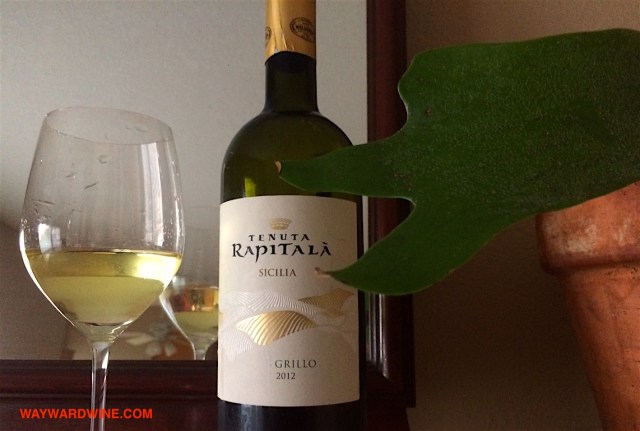
An earthquake and marriage coincided in 1968.  The Belice Valley earthquake destroyed Rapitalà winery in western Sicily, just as French Count, Hugues Bernard de la Gatinais, married Gigi Guarrasi and moved there.  Together, they renovated their winery and vineyard. Six years later, Rapitalà began to lead modern wine-making in Sicily. Today, son Laurent continues their drive.

They own 618 acres ranging from 1,000 to 2,000 feet above the sea.  Grillo grapes cut a western swath across these elevations.  Now, I know what you are thinking: Grillo must be some funny Sicilian name for Pinot Grigio. Or maybe Grillo is grilled wine. Or maybe they name it after a local animal armagrillo. No! The Grillo grape comes from uncertain origins, but handles heat and often ends up fortified as Marsala.  Rapitala harvests it early in mid-August.

Rapitala Grillo Sicily

Now, I could only get my hands on a 2012. But for $14 lets have faith and try it.

The APPEARANCE is light yellowish green with golden highlights.

The PALATE feels dry, light but hardly hollow, with pleasant crisp acidity.

AROMAS and FLAVORS come out fairly forward and bright with sage and pine nettles, dried white rose, gold pear, and lemon juice leading the show. Salt and wax carry for a medium plus length.

Rapitalà’s Grillo is just right for Spring. It is solidly good wine (3 of 5) even pushing five years away from vintage.   This wine will provide a pleasant diversion to other easy but bright things like Pinot Blanc or Gris.  Imagine warm evenings, finally breaking out the patio furniture and grilling some fish.


Posted in Uncategorized | 2 Comments