Aging Wine on Sludge: Muscadet Sur lie -vs- Sans lie

Last Monday’s EU Austerity Drinking Tour visited Clisson: home to Muscdet Sèvre et Maine. Before we left, we popped into their tasting room and found this:
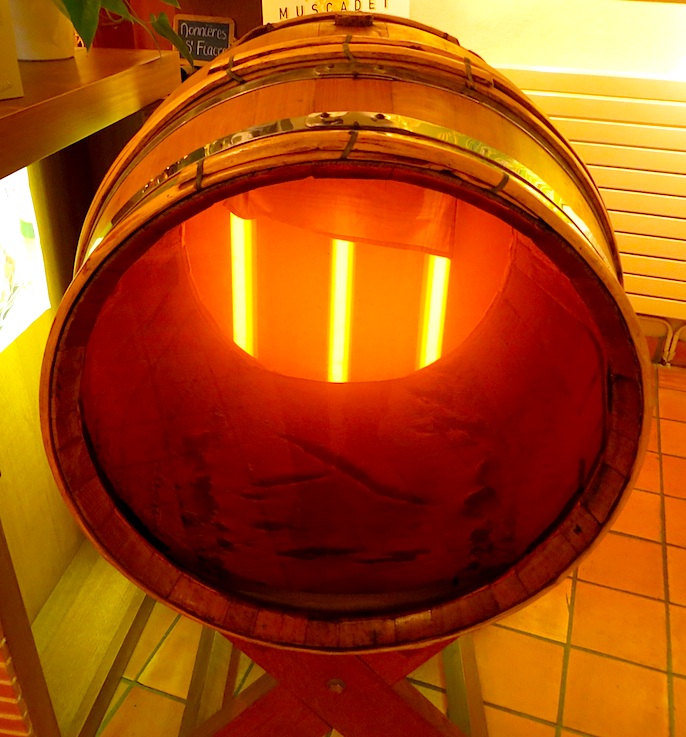
Muscadet Sur Lie

I wouldn’t drink it with those neon lights.

Muscadet wine filled this barrel-with-its-skirt-lifted.  Neon lights lit the thing that makes Muscadet fantastic: sludge:
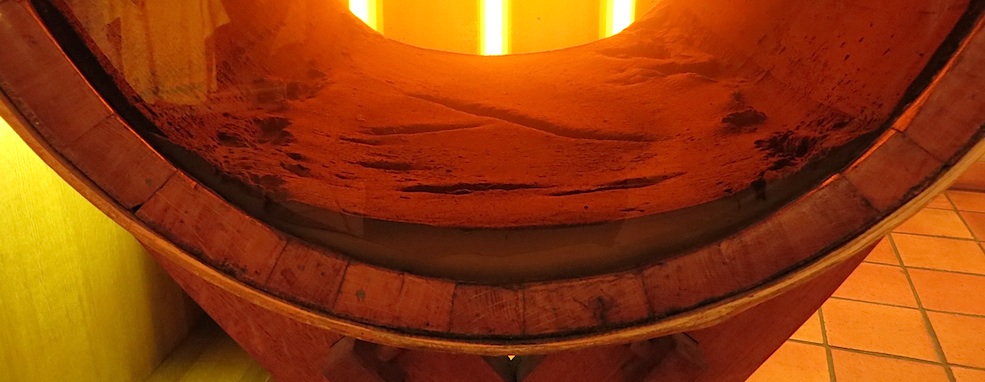
LeesMuscadetCloseUP

I wouldn’t grab a spoon just yet.

That sludge consists of months of sedimentation of dead yeast and particulates.  Called lie (lees), nearly half of Muscadet Sèvre et Maine proudly adds “sur lie” (on the lees) to its labels. But why?

To find out, we sample through twenty wines for free at Nantes‘ Maison des Vins de Loire:

MaisondesVinsDeLoireNantes

The camera is sober.

Let’s begin with plain ‘ol Muscadet:
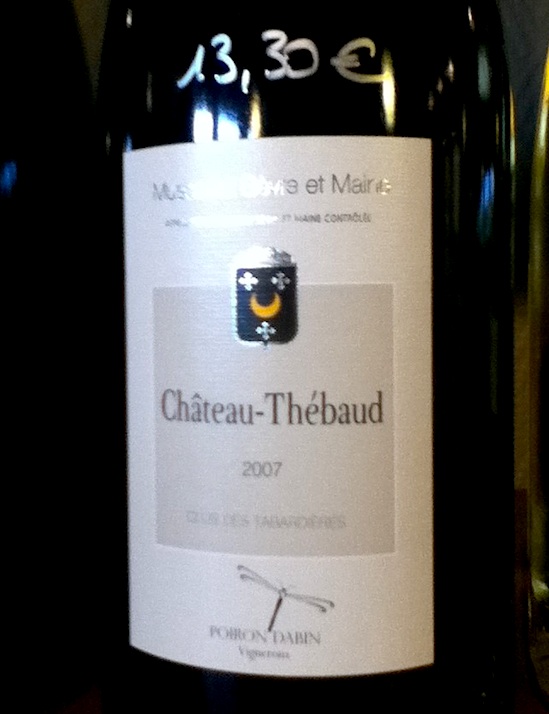
ChateauTheabaud

Slick.

Château-Thébaud uses grapes from grower Poiron Dabin. Its pale gold color runs from the core to the rim.  Pure, strong aromas waft of honey, flint, smoke, and salt.  It feels dry, still racing with acidity, mild alcohol, a lightish body, and moderately intense flavors of tart green apple, grass, salt, and bees’ wax.  The length is only medium.  Yet five years old, this Muscadet remains fresh and clean cut. It is textbook, faultless, and very good (4 of 5).

So, what does that sur lie sludge add?

Pseudo-history pins the origin of lees-aging on “honeymoon barrels”: a year after not divorcing, shocked couples discovered that their wine-gift tasted better than last year.

Science tells us that lees layer the barrel.  They lock out oxygen.  Then enzymes release and add richness, thicker texture, and extra flavor complexity. These enzymes further protect the wine against oxidation.  Most wines would develop off flavors. But because Muscadet is so dull, lees-aging saves it.

But does it?

We try the same producer (Château Thébaud). Same region (Sèvre Et Maine). Same grape (Muscadet). The only differences are the grower (Vignoble Drouard), the name (Cuvée de Petit Trianon), and the vintage (2011).

But what really matters on this encyclopedic label is the “sur lie“:

ThebauCrusCommunauxMuscadetSevreEtMainLie

Yes, this is the front label.

Youth shines through its clear, lemon-green color.  OK.  Then, precocious but intense aromas of oak, reminiscent of toasted vanilla, almond paste, and fresh lemon juice dominate.

It feels dry, with searing acidity, some tannin, mild alcohol, and a medium minus body.  Nothing new.  But lees add a viscous texture.  Then pronounced but softened flavors of lemon meringue with vanilla start it, building into zingy lemon juice, then nuts, with salt rising in the last quarter, finished by a slight pepper.  The length again is medium.  All this complexity makes this very good quality (4 of 5).

So Lees aging makes a more interesting wine.

But we’re in Nantes, so we buy this bottle (4.21EU) and pop into a small fromagerie:

CheeseNantesSHOP

Heaven.

Back at our basement homestay, we cut open Curé Nantaise: a soft cow’s milk cheese. It’s rind is washed with, you guessed it, muscadet:
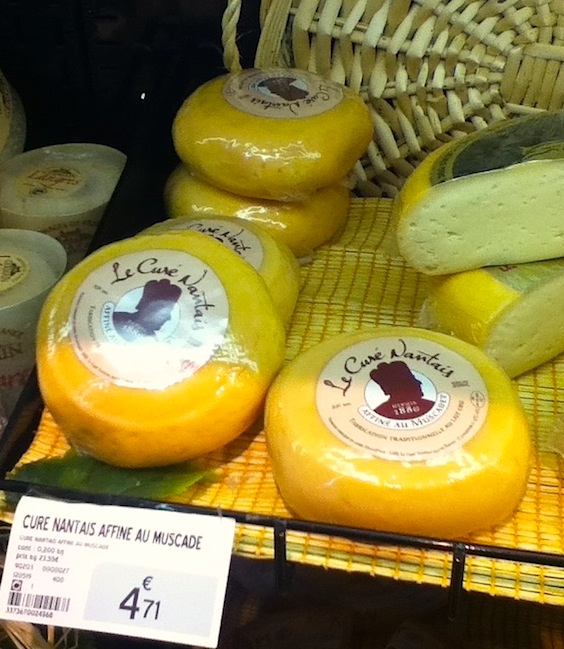
CureNantais

Golden!

Paired, the Muscadet’s lemon acidity pounces on and flattens the cheese’s sticky fat and glue.  The wine’s oak spice then syncs up with the nutty, yeasty funk of the cheese.  Richness upon richness both vie for the finish.  The result is pure, racing harmony.  Like doubles ice-skating, just when you expect them to crash, the lead grabs and vaults their partner into the air.

A regular Muscadet just doesn’t cut the Curé Nantais. It would refresh with its citrus and salt, but disappear beneath the nutty, yeasty funk of the local cheese.

Both Sur lie and sans lie make for delightful wines.  But here in Nantes, with their cheese, aging wine on that sludge carries the day.

Posted in Muscadet, White | Tagged , , , , , , , , , , , , , , , , , | 2 Comments

Wine Geek Gift: Spätburgunder (aka Pinot Noir), August Kesseler, “Pinot N”, Pfalz, Germany 2010

Your wine geek wakes early, runs downstairs, and to their delight, finds something green and red-capped beneath the tree.

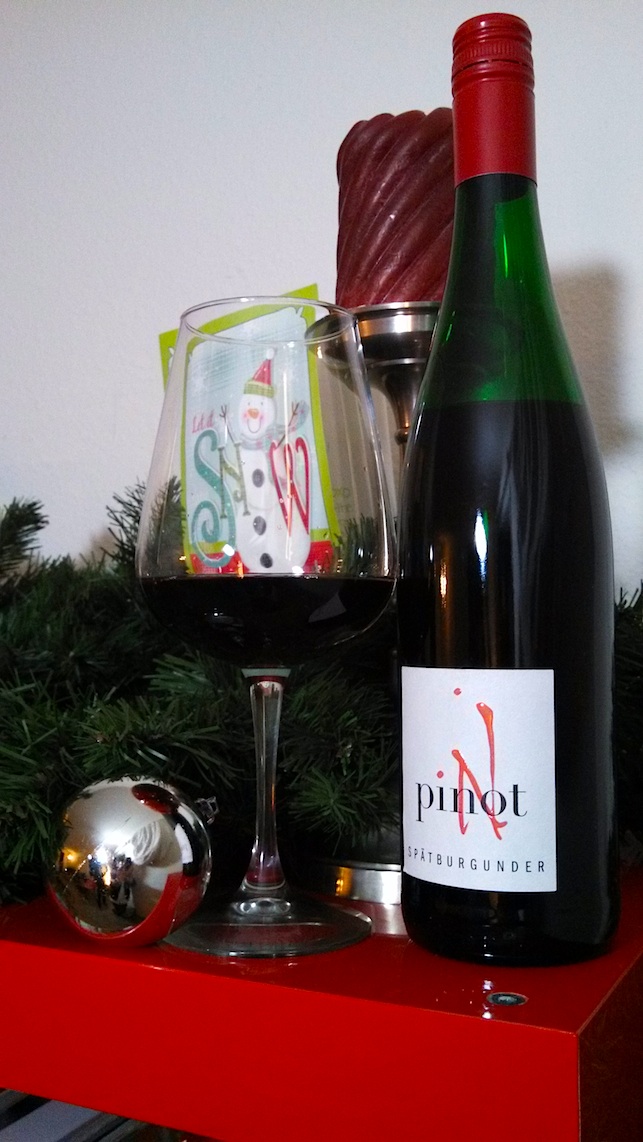
The slender bottle looks German. “Mmm…Riesling“, they think.  Then, on closer inspection, their head explodes like a Christmas craker:

Kesseler2010SpatburgunderPfalz2010

WHAT!?!?

Yes. Pinot Noir. From Germany.

Now German wine usually evokes rough memories of cheap Riesling:

blue-nun

I think my memory just vomited.

Yet Germany ranks third in the world for Pinot Noir acreage (30,000, just behind France and the US).  The problem is, Germans drink most of it.  Meanwhile, they pulled the Blue Nun‘s veil of Riesling over our eyes.  We could only assume that they made nothing but sweet yet tart whites.

No more!  Treat you and yours this holiday with German Pinot.

They call it Spätburgunder: probably thanks to its late ripening (Spät) and the medieval Cistercian monks who brought it from Burgundy.  Yet Pinot struggled in this marginal, cool climate, often beneath Riesling’s limelight.

But in 1984, August Kesseler bought a ruined estate and Pinot vineyards.  He had run his family winery since 1977, and interned all over the wine world.  But 1984 marked Germany’s first, properly dry, oaked Pinots.  Ever since, he has led Germany’s red revolution (no, not the DDR, just grapes).

kesseler-im-weinberg-teaser

Hey, wine-photography is difficult.

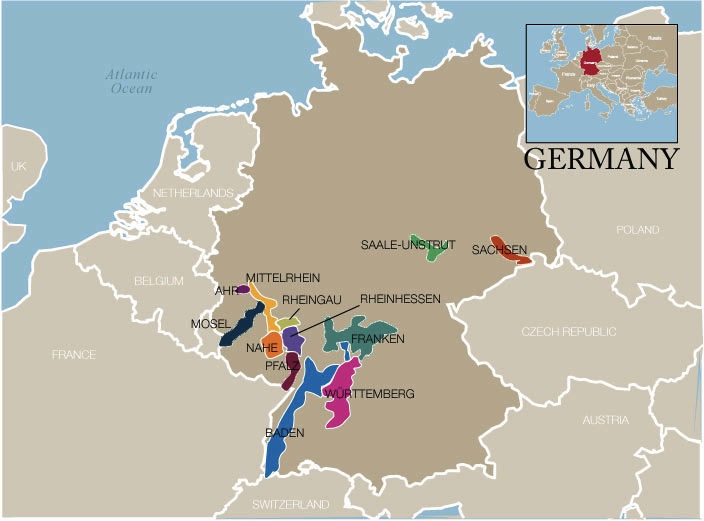
Tonight’s wine comes from his holdings in the Pfalz: Germany’s fastest growing region for Pinot:

German Wine Regions

Pfalz on left in dark red

This valley literally extends North from Alsace in France.  Like Alsace, it stays warm and dry enough here, thanks to the Vosges Mountains‘ rain shield.  35 year old vines dig into its rolling hills of chalk and marl in this cool, continental climate.

Time to crack it’s screwcap.

APPEARANCE:

A black garnet core runs to a clear rim of brick. Twiggy legs dissappear quickly.

AROMAS:

Wild, perfumed, but delicate aromas remind us of cranberries, violet, mulled orange with notable clove, countered by browned butter and, well, funky blue cheese.

PALATE:

It is dry, but that thought fades beneath soft, shimmering acids, mild tannins, buoyed by ripe alcohol and fruit.  The body weighs in at medium and mellow.

FLAVORS:

A warm scarf of flavors -so evenly and deceptively wound- stumps our palates.  Pricked apart, we find tart red apple, black berried cassis, and orange peel.  But then light cream and soft, buttery, shortbread cookies wash over the fruit (thanks to mlf and oak). We dig deeper and find salt and savory blue cheese at the mild, medium length finish.

CONCLUSIONS:

Kesseler’s “P Noir” is at first glance simple, easy, and pleasing. Yet spice and funk quietly emerge, forcing one to question everything.  It is neither Burgundy, nor California, nor Oregon.

For $15-19, this is very good (4 of 5) wine ready for drinking, or pairing with a variety of dishes.  Wrap this eclectic scarf around a roast goose, or better yet, wild pheasant, or a cheese platter of odd but young and soft goat and sheep cheeses.  It may challenge but it won’t disappoint you and yours this holiday season.

Fröhliche Weihnachten!

SpatburgunderPinotKesselerPfalz2010

Delicious!

Posted in Pinot Noir, Red | Tagged , , , , , , , , , , , , , , | 2 Comments

Clisson: Wine Village with an Italy Fixation: EU Austerity Drinking Tour #52

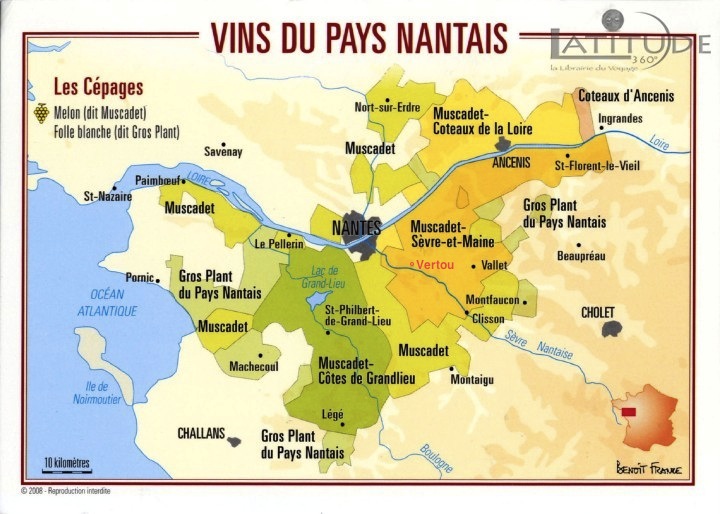
Last Monday’s EU AUSTERITY DRINKING TOUR took us to the vines of Vertou in the heart of Muscadet Sèvre-et-Maine (see post: here).

Today we travel further up the Sèvre River to the Southeast edge of wine making in Muscadet: Clisson.

MuscadetMapBetter

Clisson.

We leave futurist Nantes late.  Our hangovers slow us down. So we buy new floss, deodorant, toothpaste, and toothbrushes.  No greater joy exists for the traveler than fresh toiletries.

Our train stretches through 30 minutes of vineyards and villages.  The river basin turns into hills.  And we arrive at Clisson.

A meander through sleepy medieval streets finds a 15th century, covered market.  Then the 13th century stronghold :

Clisson Castle

Presently warding off tourists.

But it’s lunchtime. And it’s France. The castle and wine tasting room are closed.  So we save them for later and explore the village.

Oh, and we find pastries.

Pastries Clisson

Pleased?

The wide, brown Sèvre provides fantastic views of epic ruins.

Clisson Castle Aaron

Imposing thing.

And the carbon copy Church of Assisi:

Assisi Maybe

Ciao? (Technically Clisson’s 19th century Notre Dame)

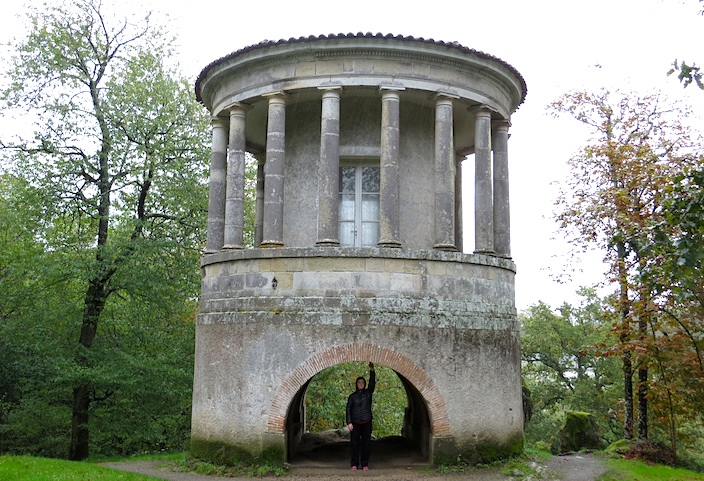
A further walk finds an ancient temple peaking from the hills and terracotta roofs:

Temple Greek Clisson

Allora!

Then we get lost in the Italianate grounds of a villa:

ClissonVilla

Why am I hungry for pizza?

Amidst the temples, portici, gardens, sculptures, cypruses and Italian restaurants, we start to realize something:

TempleClisson

Another temple? Where do they hide the pagans?

Clisson is Italy: just a bit grayer, wetter, and French-er.

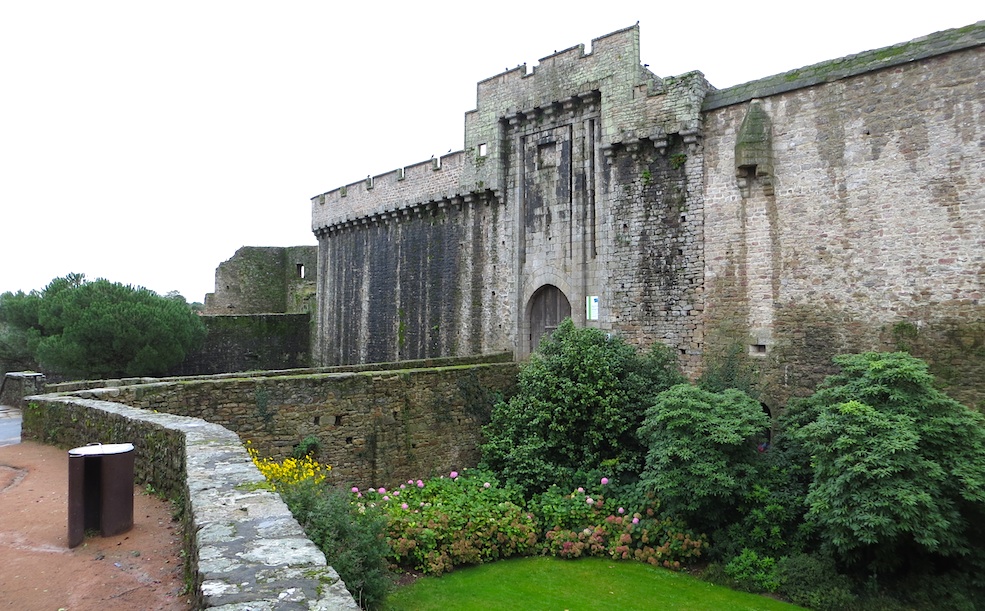
After hiding from the rain in the bell-tower of a Franciscan church, we get our castle on.

Clisson Castle

Drawbridge.

Like 19th century Romantics, we imagine faded glories.  Here local Brittany lords fended off becoming part of France for centuries until the Revolution broke them.

TracyCastleClisson

And lean….

Nostalgia for Scotland’s castles, now two months past, seeps in.  But we remember this is France. This is wine country.  Time to get out of the cold.  Time for Clisson’s tasting room.

But the bottles were closed.  Rain seems to have washed away Clisson’s customer service skills.

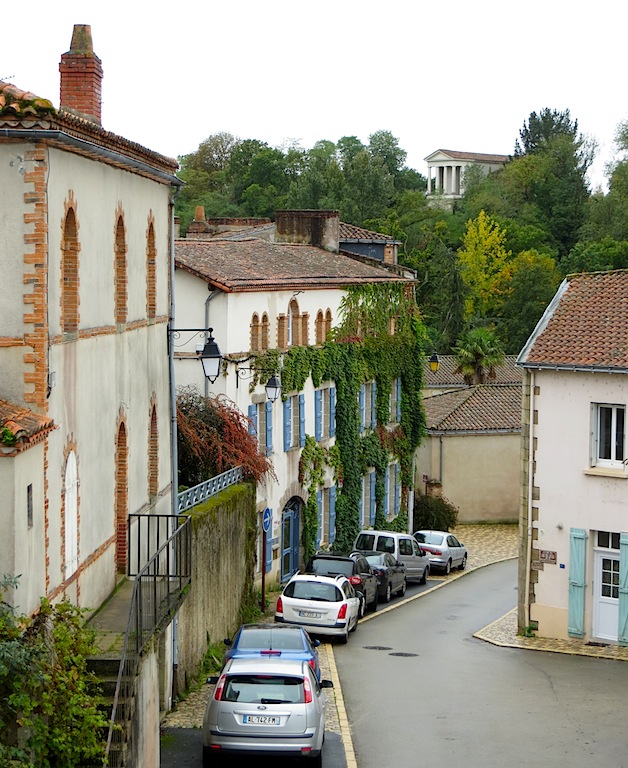
Unfazed, we leave.  A romp through more vineyards would just get us wetter and colder.  We leave Clisson already charmed by its history, colorful homes, and quirky desire to be Italian.

ClissonWideShot

Cute little town.

Worry not. Wine finds us next Monday.

Posted in Uncategorized | Tagged , , , , , , , , , | 2 Comments

Holiday Wine Geek Gift: COS, Pithos, Nero d’Avola Frappato, Sicilia IGT, Italy 2010

Stumped on what to get your wine geek this holiday?  Unsure how to shock and awe a wine-centric holiday party?  Wayward Wine has the answer.

Fly their wine glasses to Italy’s southernmost corner: Vittoria (represented by the massive, pink, plastic, lawn flamingo…of course).

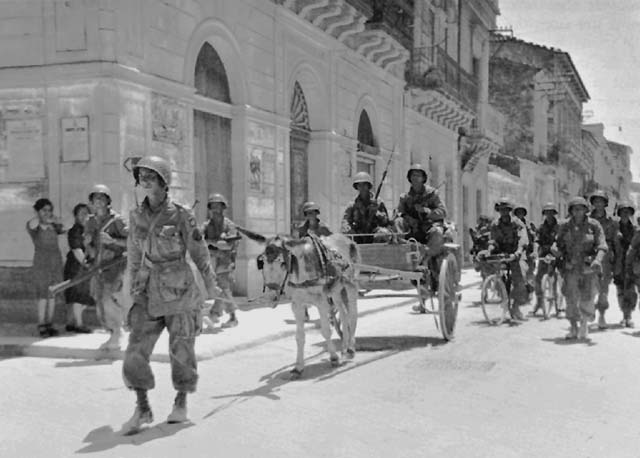
SicilymapThe town of Vittoria is one of Sicily’s youngest.  Founded in 1607.  But this trading post has been gang-rushed by Sicans, Sikels, Phoenicians, Greeks, Romans, Byzantines, Goths, Visigoths, Vandals, Arabs, Normans, French Angevins, Spaniards, Chiaramontes, Sicilians, Savoys, Austrians, and most recently, Italians.  Even the Americans conquered it, replete with a resplendent donkey-carted-procession:

ConqueringAmericansUSA-MTO-Sicily-p183

Those vain-glorious Americans!

But through these countless colonizers, wine has made Vittoria tick.

Here, Cerasuolo di Vittoria (or “cherry-like [wine] of Vittoria”) became Sicily’s first and still only DOCG in 2007.  It requires roughly equal parts of dark, spicy Nero d’Avola and frivolous, fruity Frappato.  The results are balanced, bright, and berried with some quality wines for cellaring.

And then there is COS.

Founded in 1908 by Titta Cilia, Giusto Occhipinti and Rino Strano (hence the “C.O.S.”), these three amigos slowly grew their winery and vine-holdings.  Rino left.  His sister Pinuccia joined then left.  So Titta and Giusto went ahead.  They introduced biodynamic farming (basically astrology, organics, and homeopathy for vineyards).  They stopped using lab-selected yeasts for fermentation.

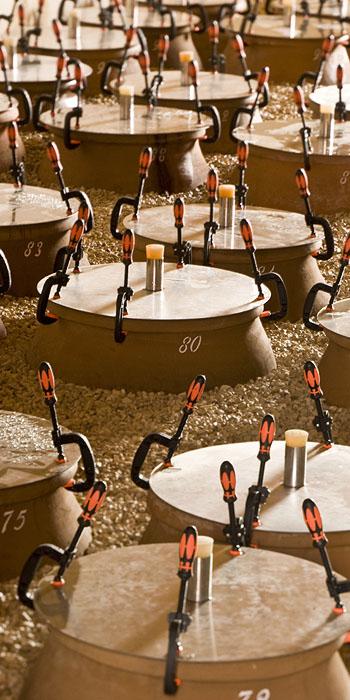
But in 2000, massive 400 and 250 liter terracotta pithoi arrived at the winery from Spain.

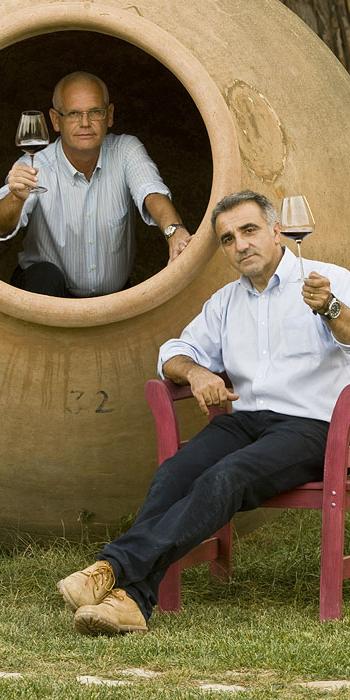
Amphorae Wine Vessel Sicily

*Man in jug not included

Out went wanna-be French barrels of oak and tannin. In came a nostalgia for ancient wine-making.

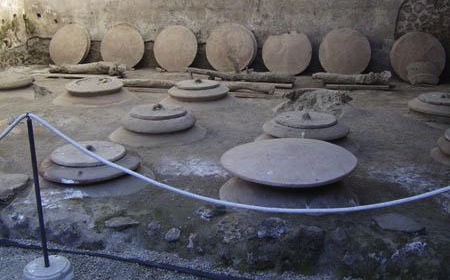
amphora-in-pompeii

Small production in Pompeii.

From ancient factories to private villas, grapes were fermented then aged in pithoi for millennia.  The vessels were chemically neutral.  They stayed in the ground, which kept fermentation from getting hotter than 86 fahrenheit.  This kept off flavors down.  However, the method fell from favor, surviving today only in small villages in Georgia.  French oak, cement, and modern, temperature-controlled, stainless tanks of the international wine-making took over.  Wine became an international commodity and not a local affair.

So COS brought the pithos back.

COS pithoi Amphorae

Awesome.

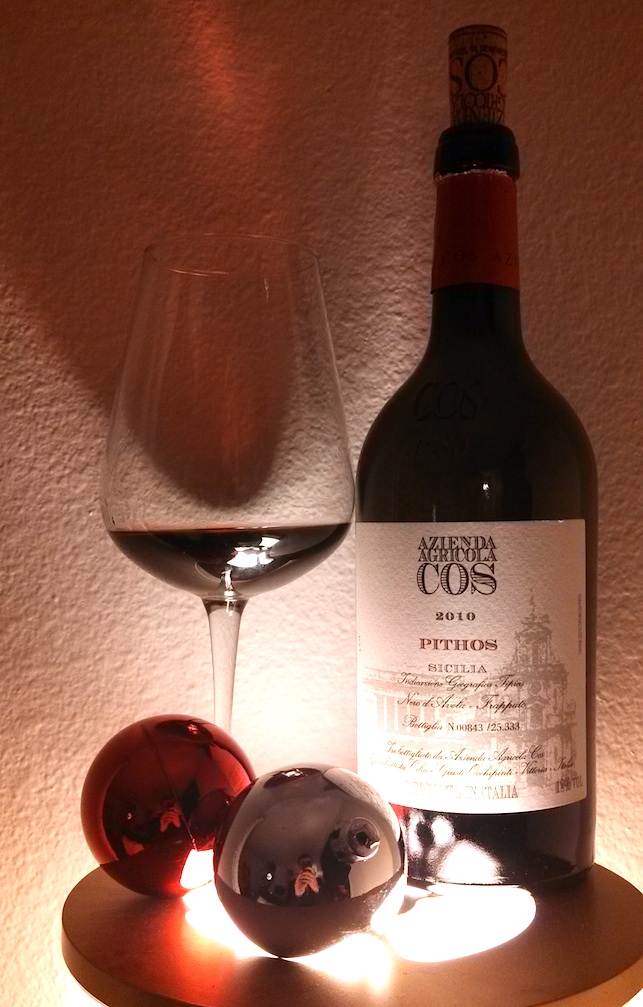
Tonight, we try Azienda Agricola COS, Pithos, Nero d’Avola Frappato, Sicilia IGT, Italy 2010

COSpithosRedSicilia2010

Christmas balls probably confuse it.

APPEARANCE

It looks clear and moderately garnet: a sign of age or air exposure.  The rim fades to clear.  Thin tears denote a lighter alcohol.

AROMAS

COS Pithos smells confident and complex, with dried rose petals, pomegranate, citrus, and a green-like verbena.

PALATE

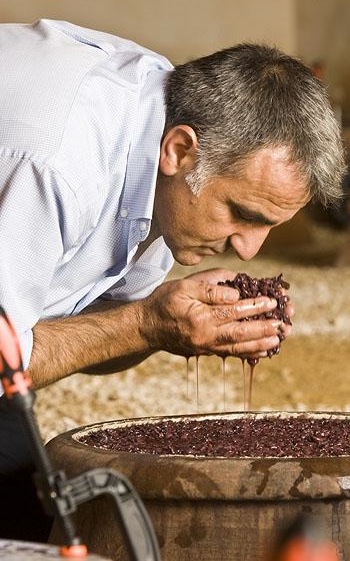
No sugar is present.  Acids are noticeable and there’s a definite hint of volatile acidity (oxygen exposure allows acetobacter to convert alcohol into acid): possably due to COS’s natural methods (i.e. hand massaging grapes):

Italy - Sicily

Maybe too many photo-ops in 2010???

However, this funky acid isn’t overkill. It adds structure, and mouthwatering, moreish interest.  The tannins feel dusty, ashen, and food-hungry.  The alcohol is a mere 12%: insanely low for such a hot climate.  All this means that the body feels medium in weight, bright yet gentle.

FLAVORS

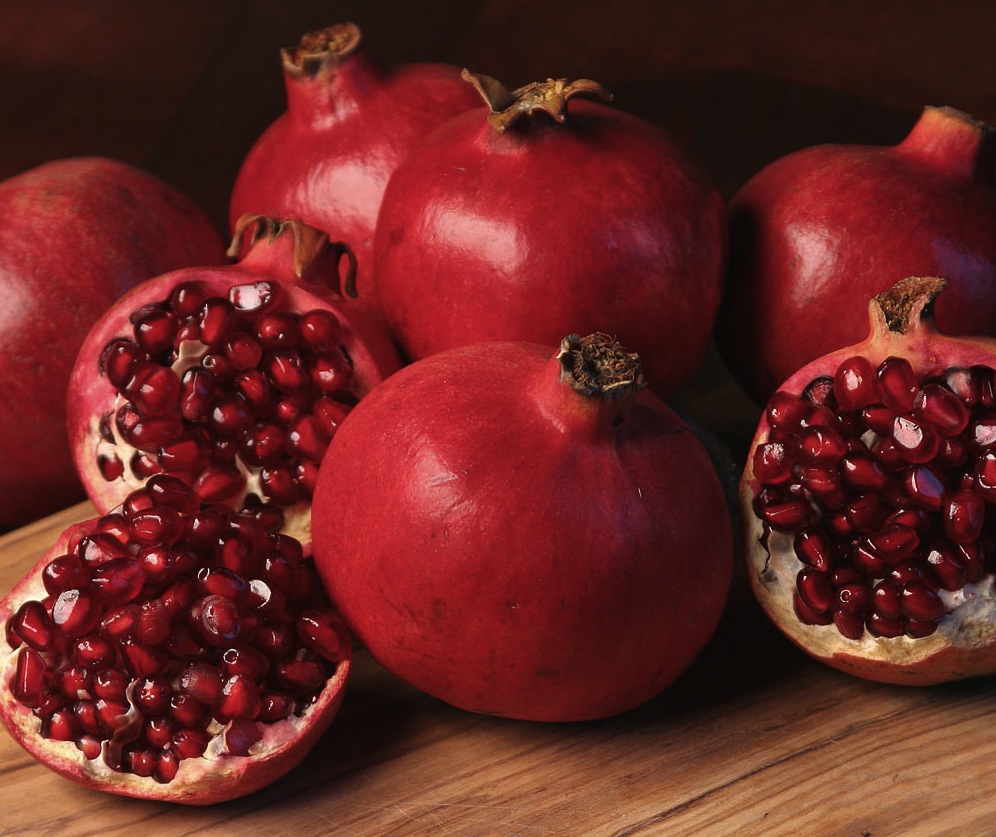
Pronounced flavors of tart pomegranate, with bitter seeds, fruity flesh, and tart pith all pounce:

pomegranateCOSThen dried rose petals and earth layer on top.  Finally wild, long, pure musk and ash finish the show with a medium plus length.

COS Pithos 2010 is just shy of outstanding: very good (4 of 5).  Both it’s background, rarity, method, and complexity make it a perfect holiday gift for that special geek in your life ($25 to $35).

Not that I’m asking…*hint *hint *nudge *nudge

TallPithosCOSsicilia

Posted in EMPTIED BOTTLES, Nero D'Avola, Red | Tagged , , , , , , , , , , , , , , | 4 Comments

Nantes, Muscadet, and the vines of Sevre et Maine: EU Austerity Drinking Tour #51

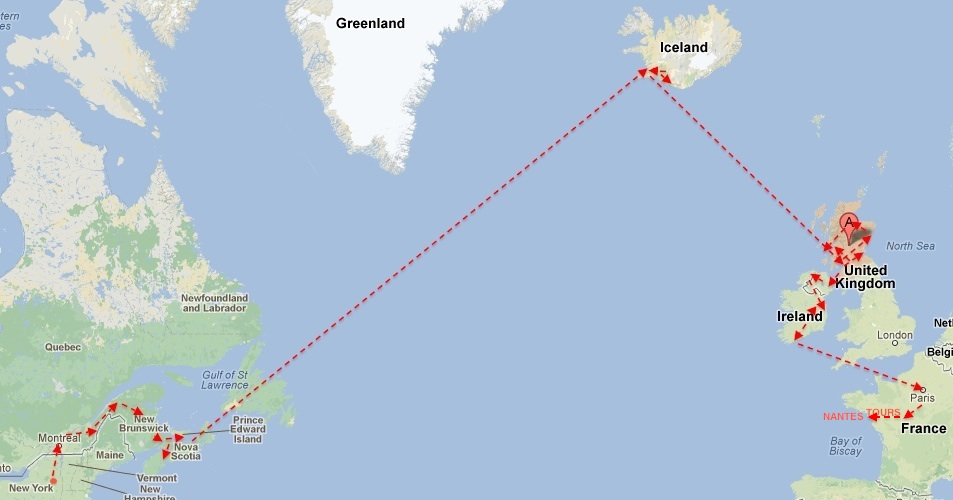
86 days into our EU Austerity Drinking Tour, we leave Tours for Nantes: port of entry into France’s Loire River.

NewYorkToNANTESMap

Missing home? Hardly!

We pass the lovely hills of Saumur and Chinon: famed for cabernet franc.

SaumurVines

Dizzying grapes fly by.

Then the miserable, industrial Angers flattens before us: a wine region overstretched to countless styles, including the derided Rosé d’Anjou.

But finally our train stops in magnificent Nantes.

Castle of the Dukes of Brittany

The fabulous Castle of the Dukes of Brittany, city center.

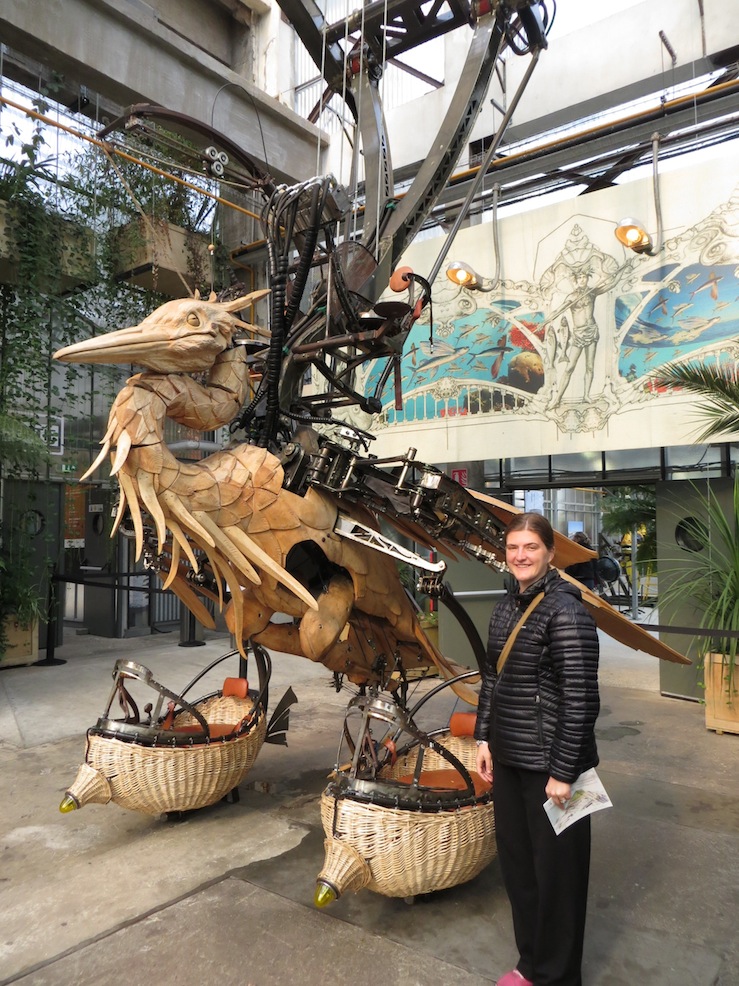
Yes.  Nantes has castles, chocolate shops, and museums: very French but very Brittany. Really though, Nantes, in a nutshell, is Syfy’s town of Eureka.  Jules Verne was born here.  Industrial cranes and factories pop up everywhere. The city boasts more trams, buses, trains, and bike-shares than needed.  They have a whole island dedicated to steam-punk machines:

But Wayward Wine came for vineyards.  We leave this futuristic jewel for Vertou in the Sèvre-et-Maine region a few miles South East.

MuscadetMapBetterPublic transport drops us in sleepy Vertou on the Sèvre River.

Vertoux

We found a nice patisserie at least.

We hike upriver in search of vines:

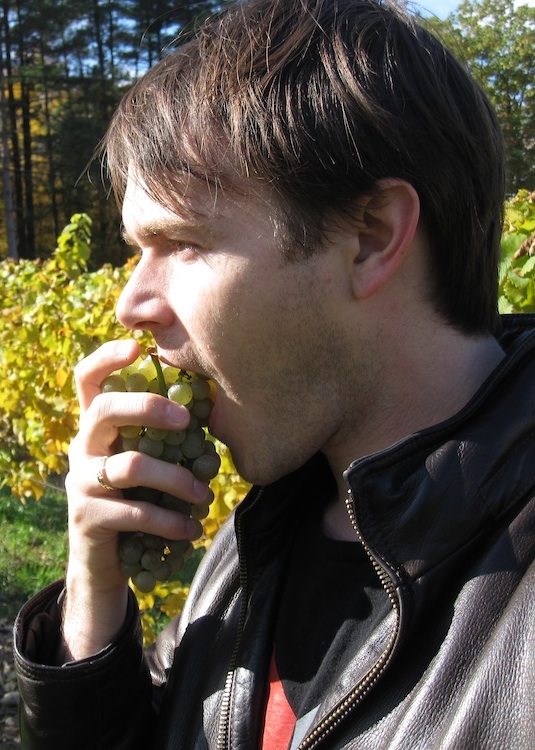
Muscadet is everywhere.  The Dutch planted this edgy green grape to make brandy in the 1600s. Then a freeze in 1709 led the Sun King, Louis XIV himself, to rip out all the red grapes and turn the region completely over to Muscadet. However…

Who knew? Maybe this red is an artifact variety, a test row of gamay, or some mutation.  Either way, Muscadet monoculture reigns supreme. So we set about trying to understand more:

We walk up the hill and the terroir changes:

All that grape talk makes us thirsty. We leave in search of wine.  But not a tasting room is open.  We could almost hear the French declare “It’s sunny. Why work?”. Muscadet ain’t Napa. But tanned and happy, we traveled back to Nantes.

Visit next Monday. Our EU Austerity Drinking Tour will taste through Nantes’ many fabulous Muscadets and visit Clisson.

In the meantime, we’re off to ride our mechanical heron:

TracyMechanicalHeron Les Machines de L'ile

Do not fly mech heron under the influence or without a seatbelt.

Posted in Loire, WINERIES WANDERED | Tagged , , , , , , , , , , , , , | 3 Comments