Raymond Vineyards and The CIA Greystone Conservatory Restaurant

Unlike storied Freemark Abbey (read our visit: here), Raymond Vineyard opened with the Napa bandwagon of upstarts in 1970.  Roy Raymond did begin by marrying into and working for Beringer in the 1930s. Since then, five generations of Raymonds had created elegant serious Cabernet, Chardonnay, and dessert wines.

Although Freemark’s power-tasting nearly wiped us out, we had time before dinner.  I sell Raymond, so we decided to visit them for more depth.

The winery campus looks odd and eclectic. Colored frames hang from fishwire. A small, winding, biodynamic garden full of wild plants and vines captures nature in “Acts” of soil, plants, etc. Oh, and it ends with a photo opp for your imperial dog:

imageYes. That many-costumed dog is Frenchie: Jean-Claude Boisset’s French bulldog. The pup has these portraits on its own line of wines. Wait…so, what happened to Raymond?

In 2002 in France Boisset ratcheted his family’s Burgundy house from negociant into grower, owner, and importer from Italy to Napa.  He married Gina Gallo (yes, that Gina Gallo).  In 2009 he bought Raymond and could not help himself.  Unlike the stuffy, stolid, historic castles in Napa, today, Raymond looks like something out of Moulin Rouge.

imageThere are multiple “Experience Rooms”: a red room, soil room, blending room, crystal cellar, barrel cellar. They all have a different price and audience in mind.  We have no idea where to start. We end up in their basic tasting room.

imageVideo of Boisset swaggering and smirking throughout his mercurial estate plays on repeat. Bobble-heads of him and his dog wiggle on the shelf.  The entry estate wines taste fine, safe, fruity, typical. This space is meant to be fun. Don’t think too much about the wine. Yet, surprisingly, our older tasting bar pourer “Cézanne” (clearly not a Cézanne) passed the Diploma Level WSET years ago: Napa evidently has a glut of talent.

Baccarat decanters line the walls of the “Crystal Room”. Pop music bounces between the stainless tanks. A red “Dance Floor” button awaits pushing on the wall.  Cirque du Soleil projects above us, mimicked by manikins.  Smart, red-shirt, young things pour at the bar.

imageLegacy leftovers of district-specific wines include usual, well made cab suspects from each Napa AVA (Rutherford, St Helena, et cetera).  They taste typical, slick, if hotly alcoholic. The Chardonnay is hazy. But you do not come here for wine.

imageRed velvet ropes cut us off from long tables and private rooms.  We could stay.  We hear that an 1986 Cab from before all this was open somewhere. But Raymond is for the young and aspirational, wishing to purchase wine class without having to think about it.  Oddly, there is little eclectic or fun about these fairly seriously made wines. The disconnect is real.

Feeling hungry and old, we head to dinner.
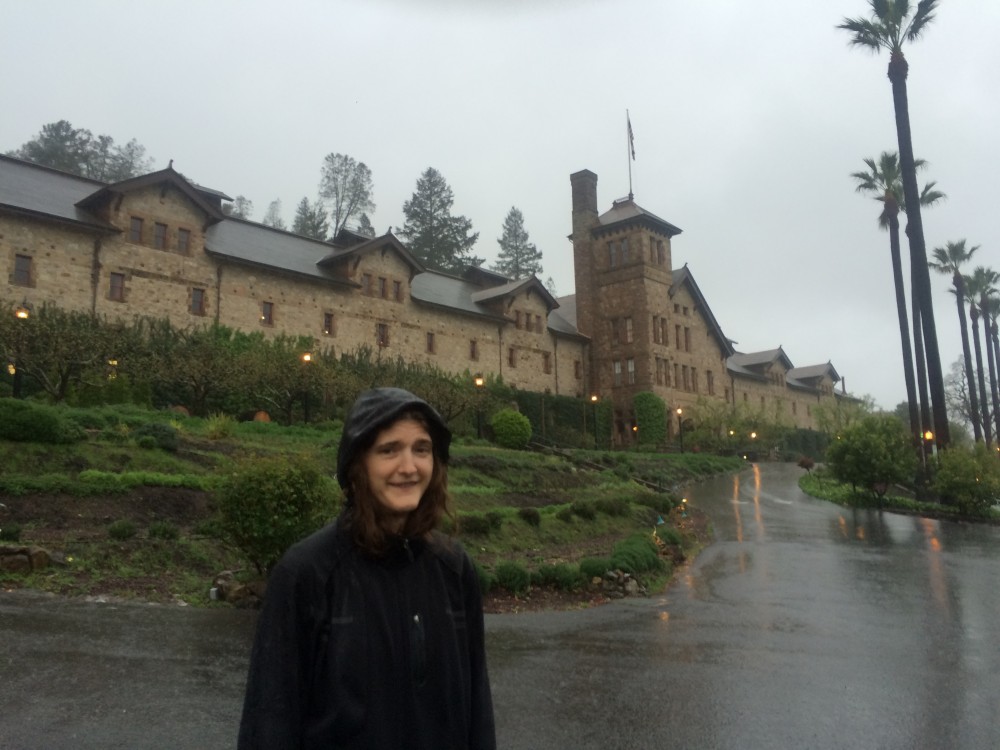
Greystone CIAAlthough slightly moist today, Greystone is the Culinary Institute of America’s extension in Napa Valley. While living in Upstate New York, a jaunt down to Hyde Park’s CIA provided a great, inexpensive, treat into cutting edge food made by ambitious student chefs.

Only those East Coast chefs get to work at Greystone’s Conservatory Restaurant. Here they learn to create menus based solely on seasonal, farm to table, options.  We sit for seven, fixed courses with wine pairings.  But, happy with wine today (and the list is mainly Sonoma-based), we opt for cocktails.
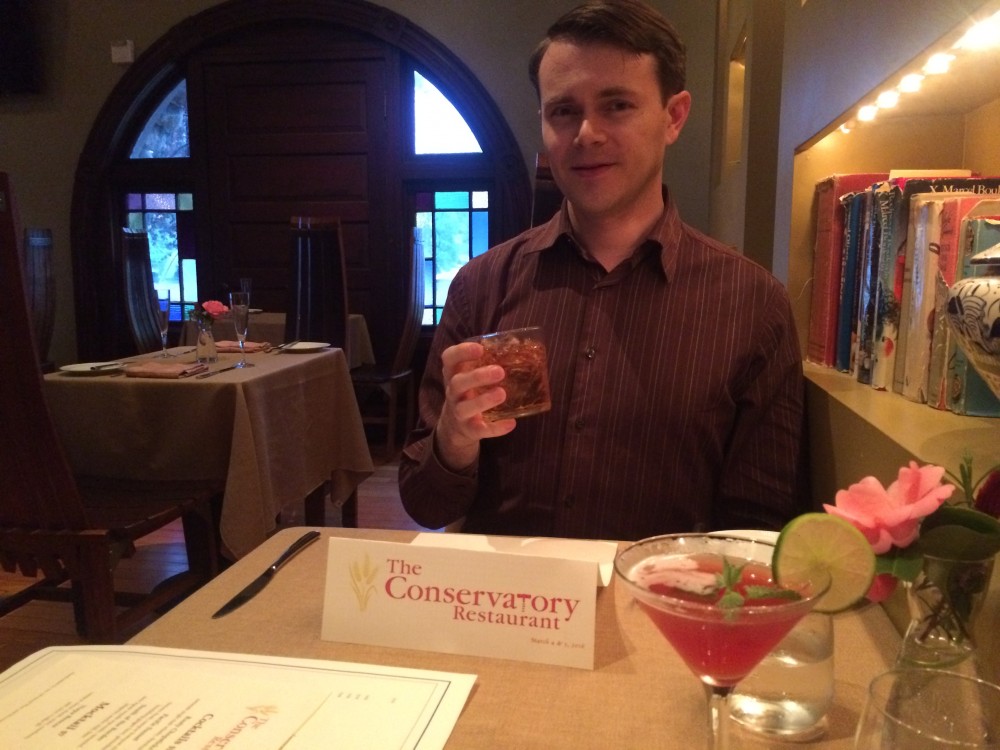
Aaron CIA Greyston Napa ValleyJapanese whiskey is delicious! The mocktail: tart, fruity magic.

Finely tuned, carrot-themed, complex, small plates build upon each other. The student staff seem nervous but energetic. Dishes range from a deconstructed Greek Gyro to savory Asian noodles.
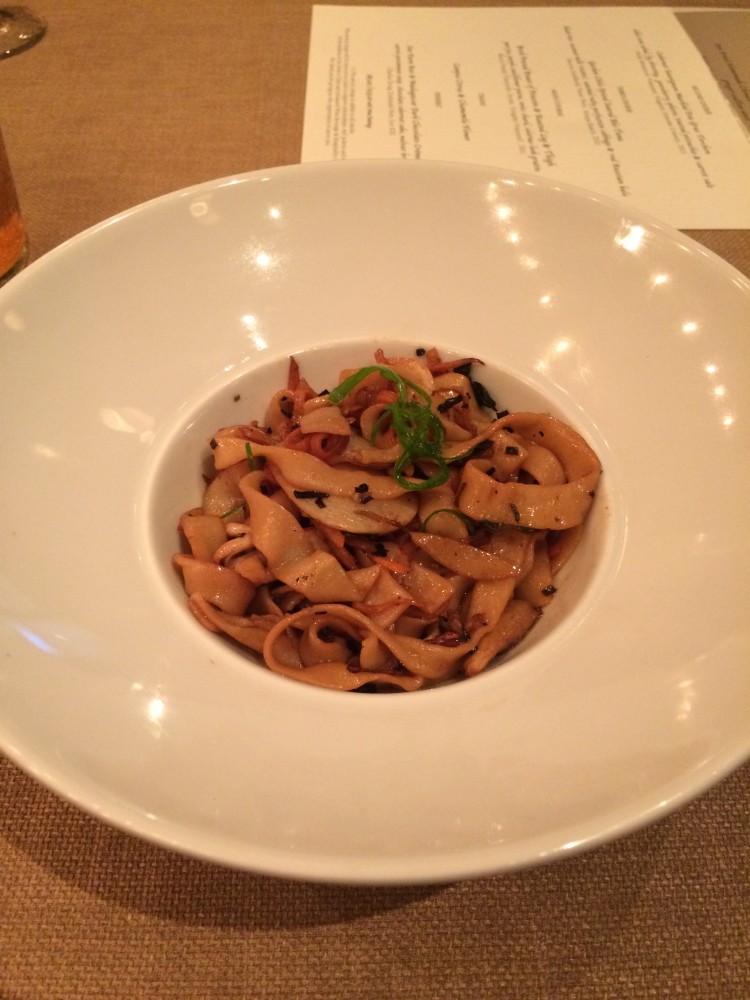
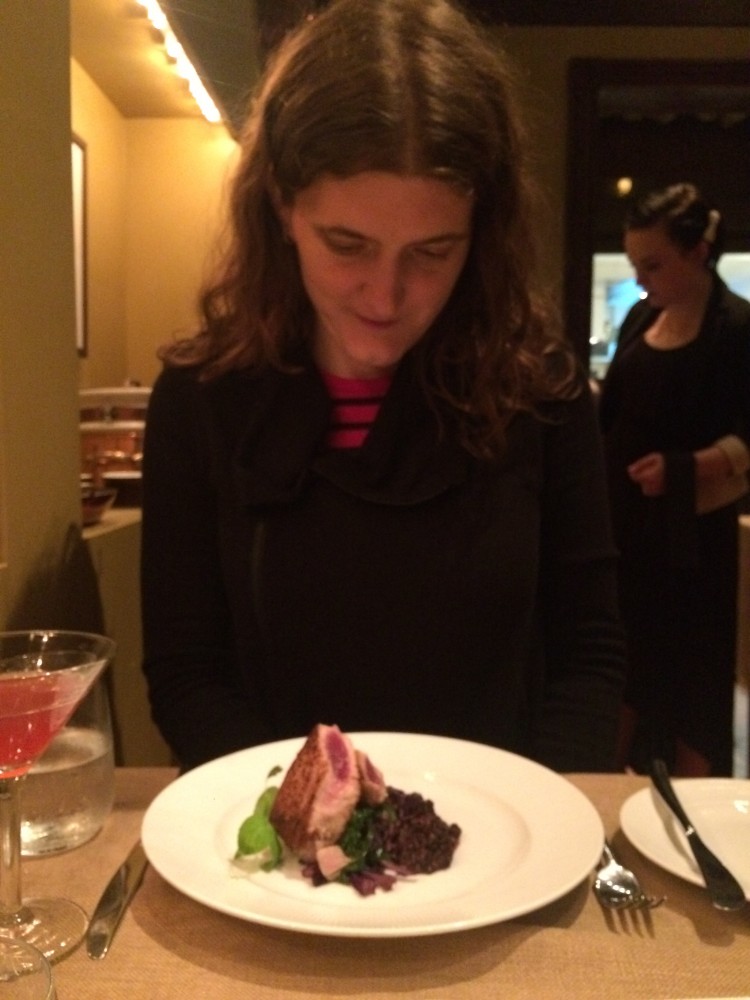
Asian pasta CIA NapaThe chile seared Ahi Tuna has beautiful outer crunch and pillowy core resting on kale and black rice risotto.

ATracy Ahi TunaA Cabernet infused Fois Gras medallion sneaks its way onto a peppery arugula salad. The main course Poisson breast and leg tastes stellar.
CIA Napa ConservatoryAfter a warm, bitter Teasan, desert is deliciously balanced between a dark chocolate cabernet base, lifted beet sorbet, and carrot-persimmon soup.

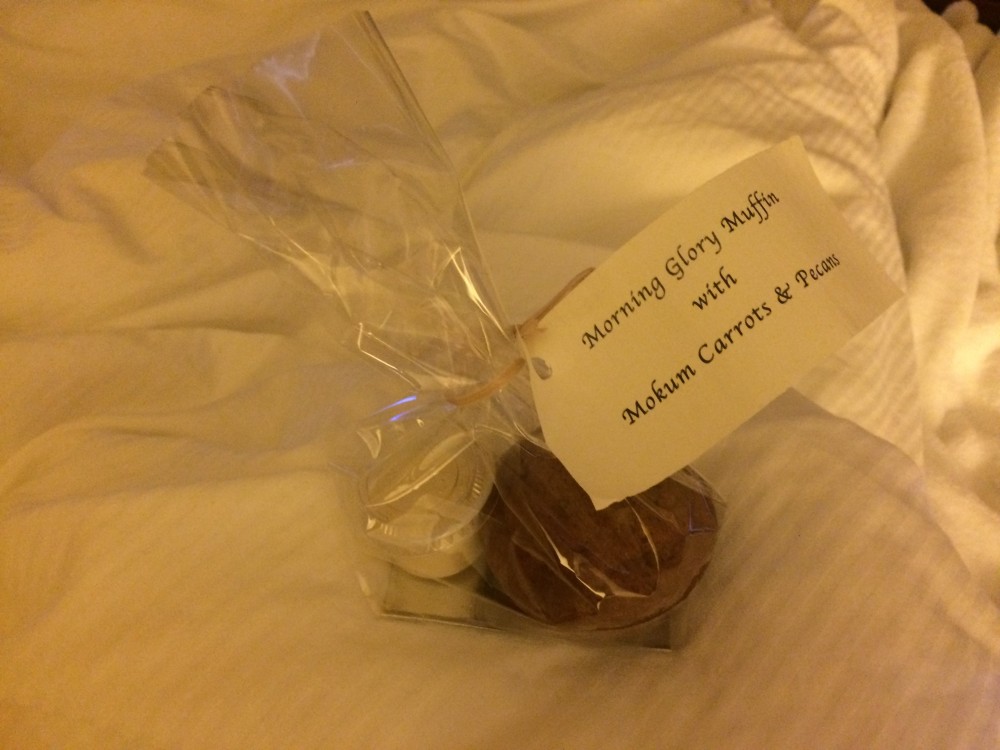
They even send us home with a Morning Glory carrot muffin!
CIA Conservatory RestaurantStay tuned as our Napa tour continues through the week!


Posted in Uncategorized | Tagged , , , , , , , , | Leave a comment

River Pointe Resort: Napa Valley

image

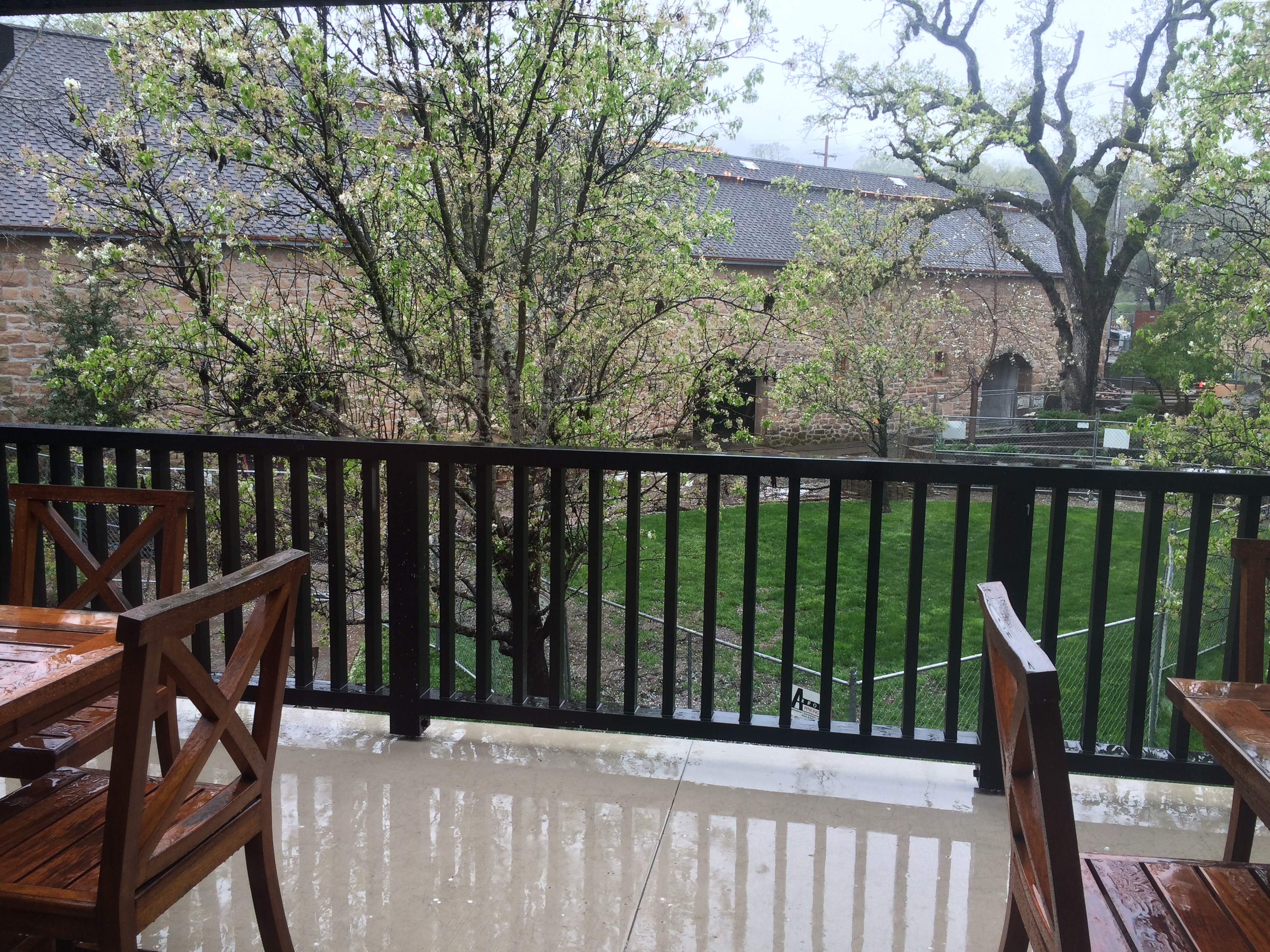
After cutting through the deluge, we find our adorable, red, tiny mobile house, #59, happily alone at the end of the road’s bend. If we could see through the rain, Napa river would look lovely.

But it is cozy and clean inside, with a kitchen couch, bed, bathroom, everything one could need (excepting the espresso maker we brought). The sauna is a fabulous break (especially since the outdoor pool and hot tub are under deluge). Luckily, our second morning here sees some sunshine:

Not a shabby staging post for touring Napa.

Posted in Uncategorized | Leave a comment

Freemark Abbey Napa Valley


In 1980, Ted Edwards took the helm as winemaker. Most fields suffer a musical chair game of aspirational people climbing ladders. Yet Ted has stayed at Freemark ever since.

When Jess Jackson bought Freemark in 2006, they wisely kept Ted in control. KJ also saw that Freemark needed restoration. The original 1890s Lombarda cellar looked in rough shape. The tasting room seemed dark and small. So, with 40 million dollars, work is underway to expand and overhaul the stone cellar into a premier tasting palace and restaurant with two Michelin-starred Japanese cuisine chefs.

imageEnough history and architecture. Today, we come to taste.

image2014 Viognier Napa Valley.

Yay! A Viognier! Famed floral grape of Southern France. Few in Napa produce a Viognier, but it was one of the few additions Ted brought in. The fruit comes from Oak Knoll AVA: Napa’s cool spot thanks to its proximity to San Pablo Bay. This means acidity!

It looks a light lemon color with silver highlights and medium legs. Plump  aromas of honeysuckle, chamomile, golden delicious apple, and a light coconut pith and vanilla cream waft from the first swirl. Luckily, it is dry, with medium plus acidity countered by medium plus, warm alcohol and a medium body. Flavors reflect more citrus and mineral even a touch of diesel-like viscosity of medium plus length. 2014 is far snappier than the tropical 2013. This Viognier has enough complexity and food-friendly dryness to make it very good (4 of 5) with a lifespan into 2020.

Next, 2014 Chardonnay from Howell Mountain. Another light but golden hued color shines. Pronounced aromas include toasted almond (100% French oak), acacia flower, and white pear. The abscence of butter comes courtesy of Ted halting malolactic fermentation. The palate is dry, with medium acid, alcohol, and body. Flavors taste jumpy, punchy and complex with nutmeg, light pineapple, spiced caramelized pear, finishing fairling lengthy,flinty, apple cored, with pencil shavings dominating. 2014’s Chardonnay is outstanding (5 of 5) but all too young and prickly. Give it five years.

Onto reds!

2013’s Merlot is a rich ruby with powerful aromas of cocoa powder, beets, dark plums, brightened by a twangy raspberry core, and finished with light tobacco and dried mint leaf. The balance tends toward richness but strong, fleshy tannins dominate and demand food. Flavors taste similarly of dried plum skin, red apple skin, and dried tobacco leaf. It is very good (4 of 5) but those tannins need a few years, decanting, or a burger to mellow them out.

Next, Freemark’s meat and potatoes 2012 Napa Cabernet. This leads production at 45,000 cases (of 60,000). A ruby core and clear lip lead to moderate, comparably quiet aromas of raspberry, cocoa, vanilla, and blackberry. 2012’s cab is so even-keeled it slips by easily. Tannins are dusty but pleasant. Flavors taste of cranberry, red apple skin, chalk dust with a medium plus length. It is very good (4 of 5) and understandably popular if a bit safe.

We jump above the fog line to Mount Veeder (1,500 feet above sea level):

image100% Cabernet this 2011 ignored the vagueries of the rest of the valley and created a massive, beet-like, concentrated cab with meaty aromas of light bacon (is there such a thing?) deep blackberry jam, vanilla dust. Swirl it once and a cassis syrup takes over. It is fat, with rich tannins and alcohol, with a dense velvet texture. Outstanding wine (5 of 5) that could handle a few decades.

We focus in on single vineyard Cabernet Sauvignon.

2011 Sycamore Vineyard Cabernet adds 15% Cab Franc. The soil there is sandy and drains well. The cool, challenging vintage made for lighter brighter cabs. The color looks an intense ruby with a short, clear rim. Intense aromas of potpourri, aniseed, dry mint lead, but the first swirl draws out oodles of purple fruit, black raspberry, cassis, and light French oak. Acidity rules the dry, medium bodied, fairly tannic palate. Flavors taste of delicate but dark fruits, orange peel, toasted tobacco leaf, and eucalyptus that last an extra long length. It is very good (4 of 5) but tart and taut asking for lean meats, even chicken or salmon.

Next, famed Bosché vineyard in Rutherford, nabbed from BV, comprising of mostly Martha’s Vineyard clone cab with clay-rich soils, makes up 1,000 cases.

Also 2011, also cab, and also by Ted, Bosché looks a deeper purple with ruby tinges. Clay kicks through into the aroma with paper machée, slight grilled meat, olive tapenade, and orange peel. Where’s the fruit? Again acidity is high, but big dusty, particulate tannin is king. Flavors match in minerality, mint, a wee bit of bell pepper, and blackberry leather. Bosché 2011 is a dusty, grippy, edgy wine that would benefit from a savory, salty pairing, very good (4 of 5) but serious stuff.

2012’s Bosché again shows of minerality, but the vintage creates pronounced, exuberant aromas of raspberry, eucalyptus, and light caramel. It feels dry but oh so soft, lush, and moderately tightened by adequate acidity and fine grained tannin. Flavors include a bright, tight raspberry, mint, toasted wood of medium plus length. Its complexity and potential for long ageability make for an outstanding red (5 of 5) meant for lean cuts of steak with no sauce.

image2004’s Bosché shows a slight brick edge and fading ruby core. Aromas tend to dry tobacco leaf, graham cracker, red apple skin, potpourri, candied orange and finally raspberry. Decent acidity, medium tannins, hold this medium body together. Flavors have developed fascinating oolong tea, ash, cranberry, and much of the aromas above. It is also outstanding (5 of 5) but in a half hour fades in the glass. Do not decant just drink it!

image

As if already not ridiculous enough, our guide breaks out 2002 Bosché. This has more deep fruit extract than 2004, looking a bit purple still, smelling and tasting of aniseed, black fig, ripe blackberry, fruit leather, and a whiff of salinity. The body is medium, balanced and mellow. Outstanding stuff (5 of 5) present and with time ahead of it.

image

Even with spitting we feel wiped out. We eagerly tear through pack lunches provided by Oakville Grocery.

Revived, we return to the tasting bar. However, switching to their Bosché vineyard rosé is like jumping from amount Olympus. It’s bright, strawberry, fun and fine (3 of 5). Their Cab Franc is ripe raspberry and floral but somewhat muddled (3 of 5). The Petite Verdot is alcoholic ink (3 of 5). These wines do cost far less than the magic a half hour ago.

In summation, Freemark Abbey makes clean, ageable wines that show finesse, minimal oak, and a focus on fruit. Even in rough years like 2011 Bosché and Sycamore show individuating characters. Aside from Mt Veeder, these are not huge, overpowering wines. I hope their expanded restaurant with a Japanese focus highlights the layered complexity of Ted’s wines.

Posted in Uncategorized | Tagged , , , , , , , | Leave a comment

Napa Trip: Somewhat Soggy

It’s our eighth wedding anniversary (my wife and I…the website is pushing 11)! Wayward Wine has left Oregon for a week tour of Napa Valley. Just Napa Valley. Everyone said, “oh! This and that Sonoma, it’s next door”. But we are terroir-ists. We do not want our minds and palates muddled by a whole separate valley on the other side of a mountain range. No. We will eat and drink as local as possible.

So, after a sunny, somewhat grueling drive from Portland Oregon, just past Fairfield: 

 What a great omen.

I hope to post our winery adventures daily, so check back often.

Posted in Uncategorized | Leave a comment

Paso Robles 7: Lone Madrone

Last Monday’s post visited Firestone Walker Brewery (read here). Lone Madrone Winery was also founded twenty years ago, in 1996.  The nineties clearly provided busy times for Paso.

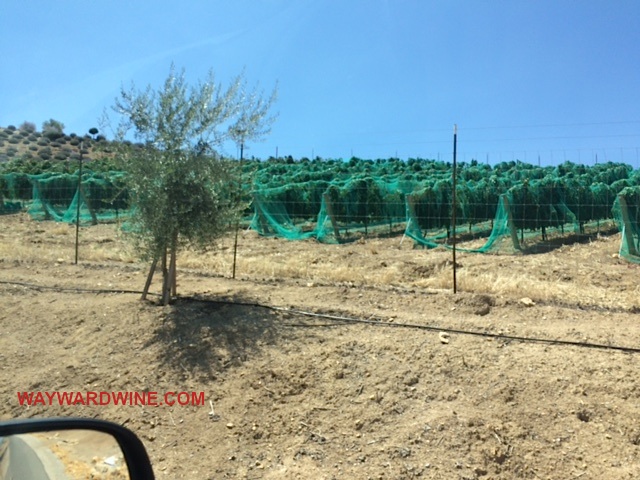
Our pickup heads west from Paso Robles on Adelaida Road. The world turns a sandy sable and olive shrub. Hills mount each other, as we climb and wheel round them.  Soon, orderly vines draped in mesh add militant structure to this wild place.

Daou Vineyards

John drives us up to Daou Winery.  At mountaintop gleams what looks like a Spanish mission, as if dropped here from space. The parking lot is packed.  The Daou brothers landed here, loaded, retired at 31, and bought the land in 2012. The view steals ones’ breath.  But we did not come for star-studded (i.e. expensive) Cabernet.

We roll down a bit and then crawl onto the gravel driveway of Lone Madrone. The tasting room looks like a barn, because it is one (with a nice patio). Night and day.

Siblings Neil and Jackie Collins left Bristol, England and now focus on single vineyards that are dry-farmed, head-trained, old vines on these high hills of limestone-rich west Paso.  These high hills matter because they sit above fog from the Templeton Gap and thus avoid frost: enemy of vine buds. Lone Madrone allows native yeast and malolactic bacteria to run their course with all their wines. Neutral oak dominates. The cool thing is that they also make wicked good dry hard cider as Bristols Cider with the same focus on local and wild.

Inside, past wood plank walls, we find the bar.  Bearded Ryan starts our glasses with white.

Ryan Lone Madrone

Their Chenin Blanc tastes like a plump white melon, drizzled in honey, and sprinkled with salt. It is dry, with medium acidity, mild alcohol. Good (3 of 5) at $28.

Spanish white grape Alvarinho blends time in oak barrels and stainless tanks to create a floral, citric, light white wine of pleasant clarity and persistence. Very Good (4 of 5) at $26.

I will Ryan to slip us some of the open, but members only, Picpoul blanc (popular table wine of Mediterranean French oyster bars). Thanks to Tablas Creek cuttings (read review  here), Madrone’s Picpoul manages to speak French with an American accent. Classic lemon peel, melon, fresh herb, and dry saline snap here, but the body feels medium weight. It tastes fruitier and riper than . Still very good (4 of 5) alone, but comparisons to the purity of the original hurt it.

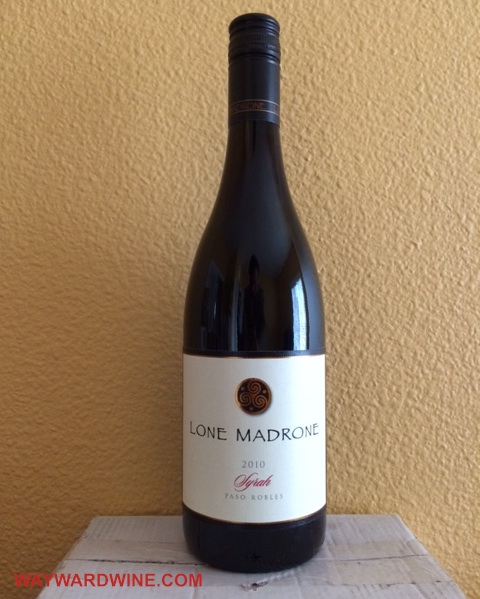
Reds begin with 2010’s Syrah.

Lone Madrone Syrah 2010 Paso Robles

I appreciate that most of Madrone’s wines come under screw cap. Straight out the Syrah impresses us with its bright red and black cherry, violets, fruit leather, leather leather, clay dust, and pepper. Acidity and tannins keep it bright, tight and medium bodied.  At For $30 this is solid Paso Syrah (4 of 5), that hedges on being just funky enough. We buy one.

2011’s Tannat originated in SW France (and Uruguay).  It is an inky blood and iron color, dry and tannic yet full of raspberry and dark cherry fruit, with a sliver of tobacco from oak.  Madrone’s Tannat is very good (4 of 5), grilled meats match, with years ahead of it. $36.

Mixed results with Italian grapes muddled our trip to Paso’s Fratelli Perata winery (read here). 2012’s Barbera is medium bodied, tannic, brighter, and blue-fruited with aniseed. 18 months of oak barrel aging numb it a bit with cocoa, but it still begs for tomato-based dishes, sausages, cracked pepper. It is very good (4 of 5), and a definite cleaner step from Fratelli Perata’s funky Barbera.

I get amped up for 2009’s “Bollo” Nebbiolo. A long 30 day maceration of grape skins has created a tannic, alcoholic black beast of a wine (16% abv). Three years in dinky 132 gallon French barrels only adds more grip.  I keep swirling my glass in vain. Maybe another 5 years or a day’s decanting might help it. Potpourri, black dried cherry, and tar are there, somewhere, beneath all that structure and heat. It is good (3 of 5) $60.

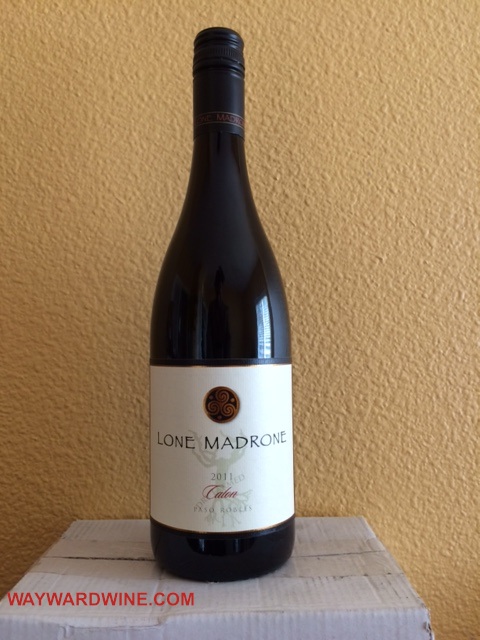
We take a palate break. 2011’s Calon (Welsh for heart) red is a greater sum of its parts: 35% Mourvedre, 24% Counoise, 22% Grenache Noir, 10% Sangiovese, 9% Syrah all biodynamically farmed.

Lone Madrone Calon 2011 Paso Robles

Aromas sing of dried fruits, treacle, and sun baked earth.  It is dry, rich and chewy, with voluptuous tannins, and desert warmth. $40 is worth this outstanding (5 of 5) blend. A decade would not hurt it. A mushroom dish would love it. Of course we buy one.

Lone Madrone makes refreshing whites and solid, intense, rich reds. My wanting Paso wines to not be so boozy is like telling the Pope to stop being so Catholic. Some grapes work better here, sure, but Paso Robles ain’t Burgundy. Neil and Jackie know their growers well, get great fruit, and smartly hold back on new oak.  Everything tastes clean and controlled, even with all their wild yeast and malolactic fermentations. Unlike Tablas Creek, these wines seem edgier, more complex, and interesting without tipping into the too wild and woolly.

Not bad for two Brits.


.

Posted in Uncategorized | Tagged , , , , , , , , , | Leave a comment