Thirsty Thursday: Nino Franco, Faìve, Spumante Brut Rosé, Valdobbiadene, Italy 2011

This Thirsty Thursday takes us to Italy.  Just above Venice is Valdobbiadene: cradle of Prosecco.

prosecco-map

Valdobbianne: so many letters!

But today’s wine is weird.  It looks neither pale green, sweet, nor made from Glera (Prosecco’s only grape).  It is pink:
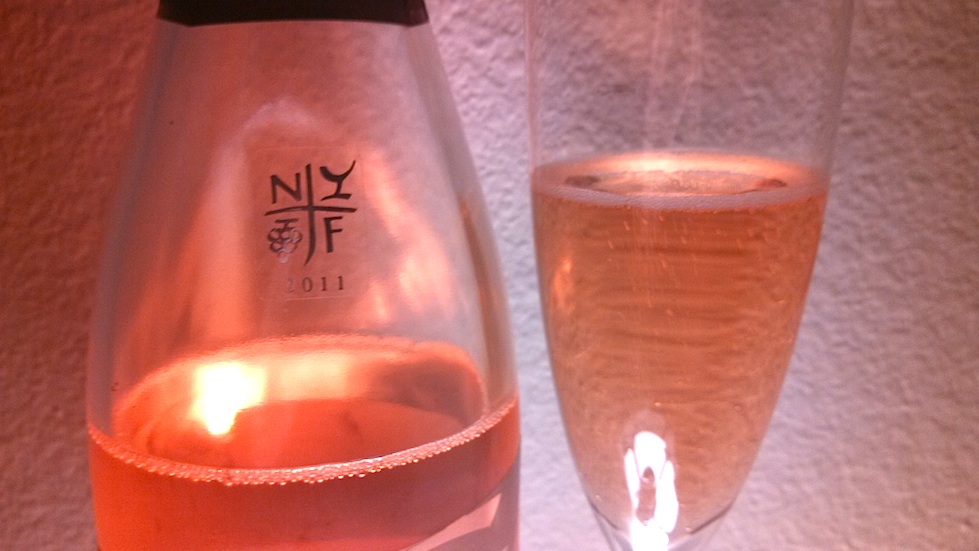
PINK

GORGEOUS!

But not just any pink.  This glinting, copper flame lives up to its name: Faìve (FieEEve): poetically Italian for those sparks and tongues whipping about at the top of a fire.

So what goes in it?

Around 2000, Primo Franco got bored with perfecting fantastic, dry, single-vineyard Prosecco that was changing the world.  So he went to buddy Brandino Brandolini, who grows red grapes.  But they broke with Champagne’s (and the world’s) Pinot-hegemony.  Heck, they also left red Italian varietals behind.  Instead, they used Merlot and Cabernet: grapes that rarely see the light of bubbly.  But this ain’t a red Bordeaux.

Primo also ignored Champagne’s rosé method, which blends red wine back in for color.  Instead, he cold-soaked the red skins with the clear juice.  This gives Faìve its wild hue and something else…let’s see:
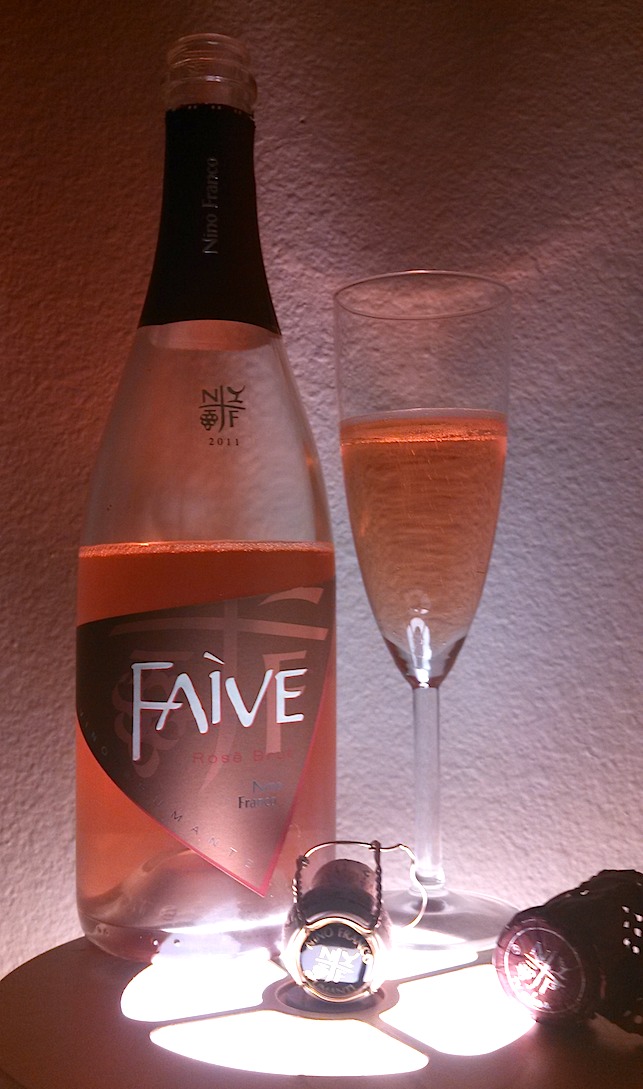
FaiveNinoFrancoBrutRoseAROMAS: Pleasant, mild aromas smell of dried rose petals, like the one’s in my grandma’s bowl of red potpourri.
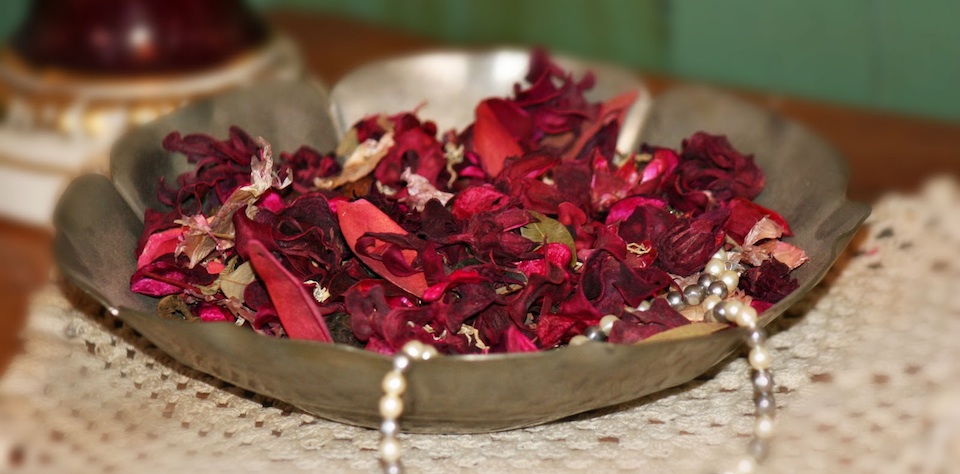
potpourri

NOT the candy bowl.

Saline solution, vanilla powder, and honey also catch the nose.

PALATE:  This feels like a Brut: clean cut and dry.  Poppy acids liven it.  Fine, sandy bubbles gently exfoliate the palate.  Heck even a touch of tannic bitterness puckers the cheeks (thank you grape-skin contact).  Yet there is a soft fistful of fruit and a medium body.  These disparate elements manage to taste balanced.  Primo’s craft is clear.

FLAVORS: Fresh fruits taste bright yet mellow.  It reminds me of Italian soda lightly flavored with black cherry syrup.
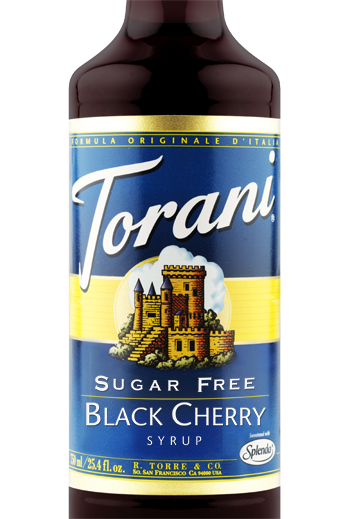
5sugarfree_blackcherry80% merlot makes for an oddly brooding, dark fruited character.  It tastes nothing like Pinot-based Champagne or other bubblies, which tend toward tart strawberry pith and clove.  Cabernet’s thick skins add a lovely bitterness.

What makes Franco’s Faìve very good (4 of 5), beyond the balancing act of tannins, acid, and fruit, is the long length.  Flavors last a good while.  Our mouths keep watering.  We want more of it.

Enough is going on here to ask (but not demand) for salty, seafood, risotto.  Keep away from deserts or strawberries with this.  2011 has the structure to drink a few more years, but it’s brilliant, wild, and edgy now, especially at under $25.

Skip other Italian pink bubblies and splurge on Nino Franco, Faìve, Spumante Brut Rosé 2011.

Posted in Sparkling | Tagged , , , , , , , , , | 2 Comments

Négociant Cellars in Chartrons: the Merchant Heart of Bordeaux

We are 94 days deep into our EU Austerity Drinking Tour.  My birthday has arrived and we are in Bordeaux: capital city of wine.  I dreamt of tasting at the finest châteaux and wine bars, purchasing rare and astronomically priced bottles from posh shops.  But my wife and I feel horrendously sick.  Yesterday’s free tour of Graves sapped our energy, palates, livers, and relationship.

So today we explore the city sober.  We start at Bordeaux’s Musée des Beaux-Arts.  It is free thanks to construction (the austerity gods smile upon us).  After a light breakfast of art, we stop outside St André Cathedral.  My wife furiously knits my Irish wool birthday scarf, while I sketch the Cathedral:

BordeauxStAndreSketch

Filigreed fantastic.

Then, we defy the frugal tenants of our trip: after 94 days, we eat our first lunch in a real restaurant.  No more baguettes and cheese, no more quiche to go, no more home cooking.  It’s my birthday, and I want Indian food.

Plump and spiced, we walk north to Chartrons: heart of the city’s négociants.

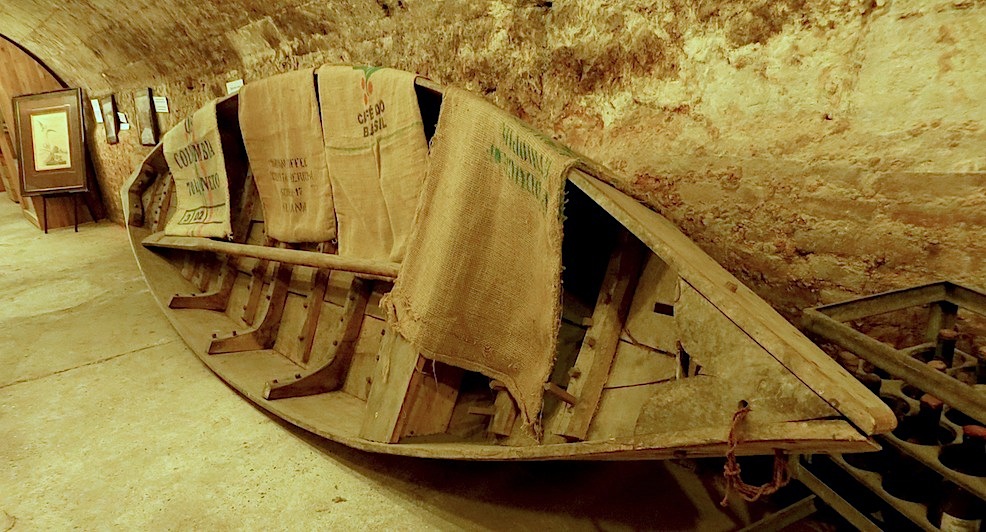
This spot of the Garonne River once filled with small ships and carts bringing in grapes from the region and sending finished wines out to the world.

BoatChartronsBordeaux

Thousands of these once plied the bank.

Prows adorn everything, winking at this past.

ShipProwsBordeaux

Shipping is everywhere.

Most growers sold their unfinished wine to négociants, middlemen, who could afford to mature it, finance the grower, ship, and sell the wine.  To learn more, we visit a museum: La Maison des Chartrons.

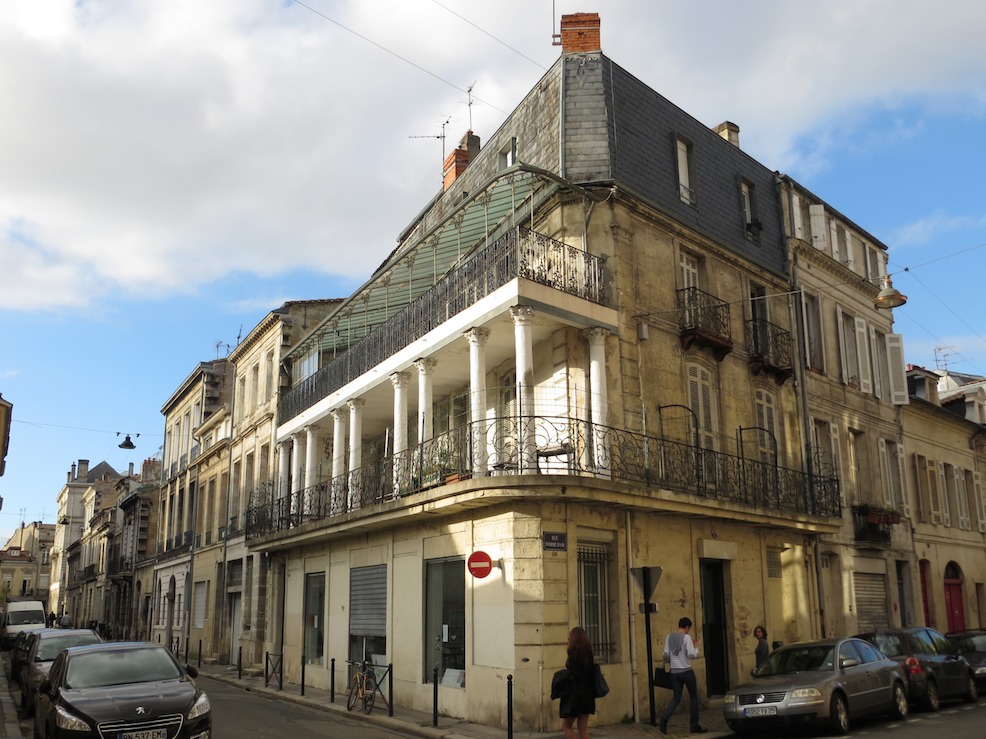
Outside, it looks like any other 19th century French city block.

ExteriorChartrons

Not tourists.

The massive gate, however, says wine merchant.  Inside, limestone stairs head up to living quarters.

ChartronsNegocStairwell

Limelight

If you lived here, chances are you were German or English, middle class, with trade connections north.  But if you were a barrel of grapes or fresh must, you would roll into the vaulted cellar or chai.

ChartronsCellarVault

Massive vaults.

Bordeaux sits on a sandy riverbank, so caves can’t happen.  But clever builders copied real cellar caves by building massive limestone vaults and sending their weight down massive pylons.

Cross Section Chartrons

Those red sticks mean no sinking.

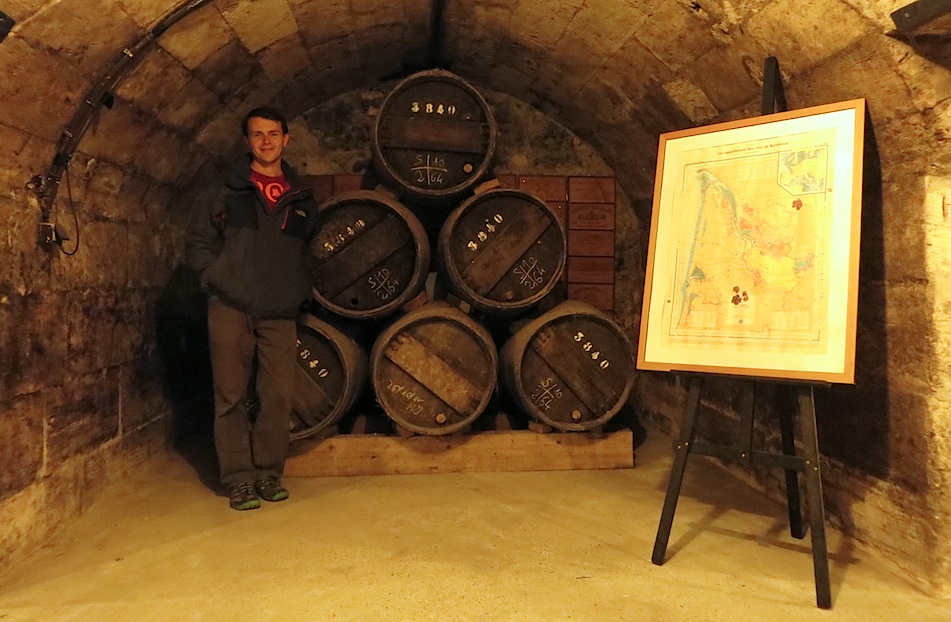
A cellar master and their team could crush, ferment, press, blend, and fine grapes into wine here, but the real investment went on below.  These chai would age the wine at a cool constant temperature in the dark.

Chartrons Barrels

Happy barrels, happy b-day boy.

Hundreds of barrels once lined the halls, softening and flavoring wine with oak spice for years.  Once ready, the barrels (or bottles) would ship throughout northern Europe, and later, the Americas, bearing the name of their and château grape source and the négociant who matured it.

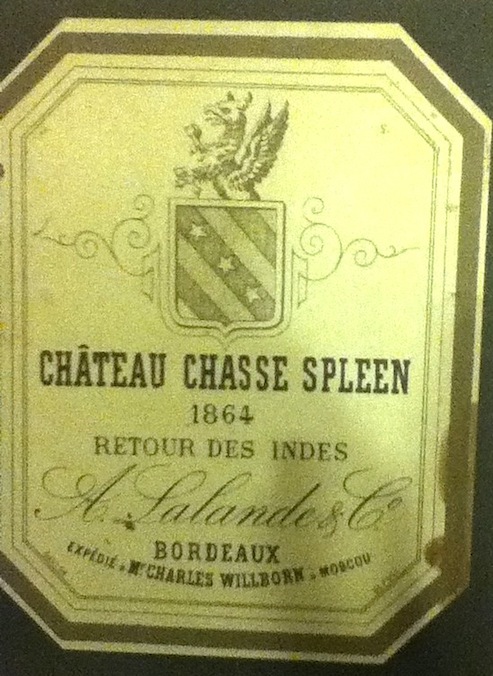
These were clever merchants.  Some started shipping their Bordeaux to India and back.  The heat and rolling barrels would rapidly age the wine, oddly gaining a new market.

RetourDesIndes

Not Indian.

But two world wars, prohibition, rising oil prices, foreign investing, and the modernization of châteaux into independent grower/producer/bottlers ended Chartrons and its négociants by the 1970s.

The cellar now fills with antique tools of the trade.  Bottlers, cork cutters, label makers all rust along the walls. Then I see a siphon:

ChartronsEGGsyphon

Omelets!

Eggs went through this into wine barrels.  No, not for omelets.  Even today, egg white proteins help fine cabernet sauvignon: clearing it of tannins and particulates.

Big Bottle Chartrons

Geek!

After an average wine tasting in the gift shop, we wander Chartrons.

ChartronsNeighborhood

Chartrons.

We can’t help but feel nostalgic.  Imagine these streets clattering with hooves and carts, merchants making deals or providing tastings from their chai.

But Chartrons and Bordeaux’s négociants have moved on.

We head home, buy a caramel birthday cake, stopping along the way to further photo-document my birthday-hood:

BordeauxSquare

Tourist dork.

Since we’re still sick and can hardly taste anything, we finish off the night with the rosé bought yesterday in Graves:

ChatLaCroixRose

Yum enough!

It may have nothing to do with négociants or famed châteaux.  But it is sprightly, fruity, cheap, and very much part of Bordeaux.

Check in next Monday as we take our sick heads to St. Emilion: Merlot’s home.

Posted in Uncategorized | Tagged , , , , , , | 3 Comments

Blow Minds Valentine’s Day with Bollinger, La Grande Année, 2004, Brut, Champagne, France

Valentine’s Day is Friday.  You’re screwed.  Posh restaurants filled up months ago.  Not a single gift works.  All that survives are roses from Columbia and chocolate that tastes worse than the heart box it spawned from.

You want to wow that significant other?  Well procrastinator, Wayward Wine will help you blow their mind.

Buy Champagne.  Not Prosecco.  Not Moscatto.  Not beer.  Not “Sparkling Wine” in a box. Just buy Champagne, from France.

But to truly stop their heart, splurge on vintage Champagne.  You can tell them that most Champagne is a (cheaper) non-vintage blend upwards of thirty harvests.  Vintage Champagne is only made in those rare years, when conditions (meteorological and economical) are ideal.  Each release tastes different because each year was different.

But to be safe, buy Bollinger.  Why?  Although recently derided for it, Bolli does not add sulfur upon bottling.  Sulfur keeps other Champagnes taught, young, and age-able.  But V-Day is Friday.  You don’t want to tear your honey bear’s face off with citrus peel and chalk.  Nor do you have time to cellar it.  So buy a bubbly that’s time-traveled:

Bollinger, La Grande Année, 2004, Brut, Champagne, France

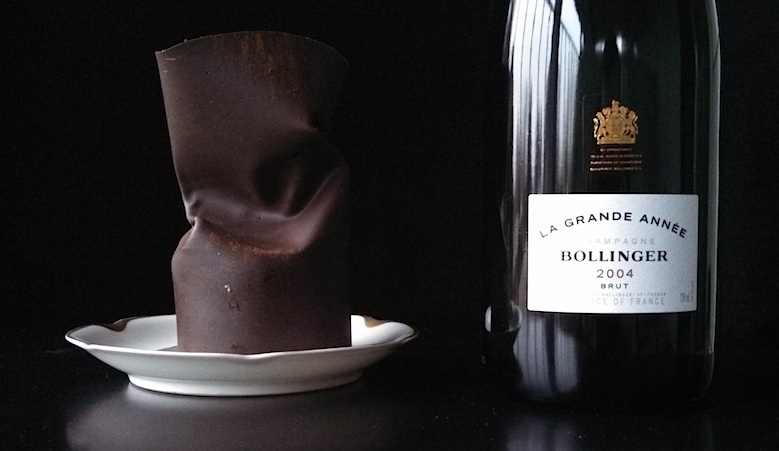
BolliChocolate

The chocolate just looked amazing.

Here’s what to expect:

Appearance: It looks like clear, limpid, like gold foil, with fine, casual bubbles strolling up the glass.

Aromas: The nose already smells developed, with pronounced notes of raw and baked cinnamon apples, raw pumpkin purée, and nutty Sherry.  It smells like already old Champagne, which is fantastic.

Palate: That off-dry sliver of residual sugar barely hides the rapier sharp acidity.  Lowish alcohol (12%) makes for a medium body, but the texture feels creamy and round.

Flavors: Already up front and bold flavors remind the neurons of baked gold apple and almond flour.  Lemon pith and chalk recall that this Champagne is still a decade young.  But that lush, nutty, oxidative, sherry cask endures forever.  Rolling for a long length.

The quality is outstanding (5 of 5).

Bolli’s 2004 seems old, but inside coils a punchy, citrus-pithy, youth.  It’s Brad Pitt as Benjamin Button: young, wild, yet seemingly mature on the surface.

benjamin button

Experienced?

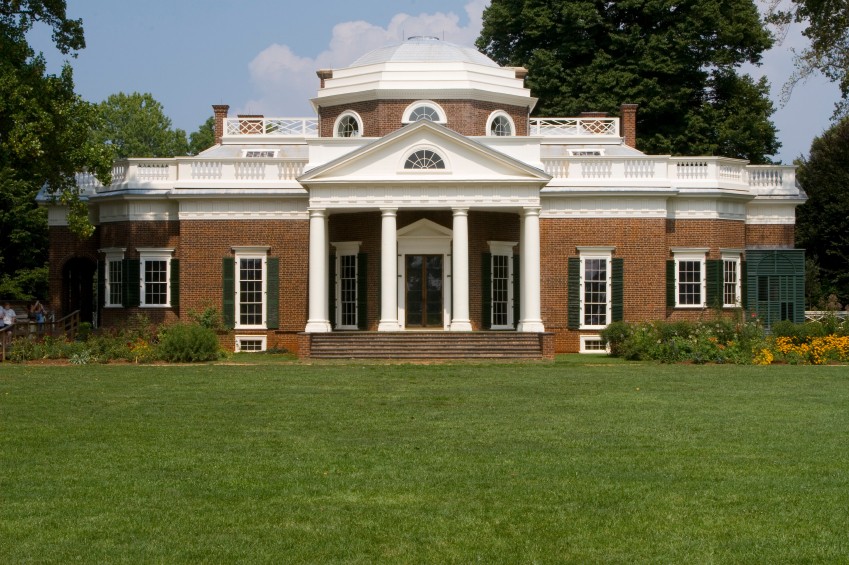
Maybe that’s not the sexiest metaphor in the world.  But it’s still Brad Pitt people.  OK fine, think of Jefferson’s hand-made home of Monticello:

Monticello

Ancient?

It looks like a Roman Temple from millennia ago.  But it was built relatively recently.  It is a perfectly balanced, harmonious whole.  It seems simple, maybe charming at first, but becomes bold, and complex, full of shapes and angles, if you look long enough.  Yet it is Neoclassical, retro, a bit confused, but so nearly perfect.

So this Valentine’s Day, knock socks off with a Champagne that tastes like it’s been cellared for decades: Bollinger, La Grande Année, 2004, Brut, Champagne, France

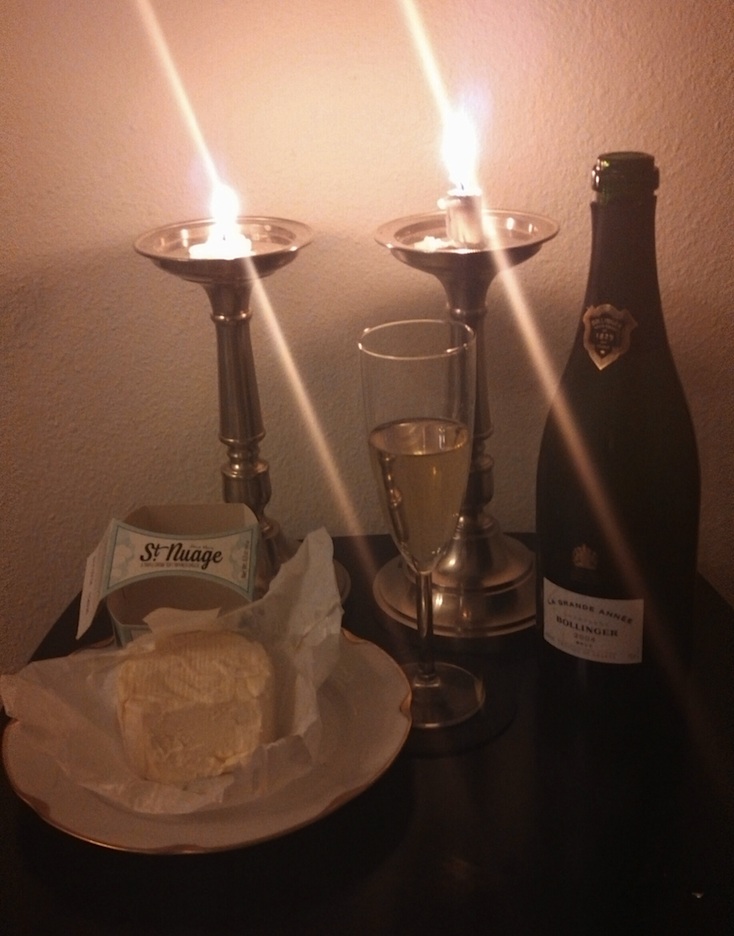
PS: If you really want to impress, find St. Nuage, or any quality soft, ripe, triple-creme brie from France to pair with it. Happy Valentine’s

BolliStNuage

Delicious!!!

Posted in Uncategorized | Tagged , , , , , , , | 6 Comments

Graves Open Doors 4: The Final Frontier: Château de Roquetaillade la Grange

This installment of Monday’s EU Austerity Drinking Tour finds us sick, drunk, and headed to the fourth and last winery in Graves in southeast Bordeaux.

To recap: a free van picked us up for “Portes Ouvertes dans les Graves” (Open Doors in Graves) in the sleepy town of Langon (below):
bordeaux-mapWe tried Bordeaux’s just-fermented varietals at Château Pont de Brion (here), ate rotten grapes at Château La Croix (here), and met a red-only, family run, micro-winery at Château Caillivet (here).

Well-smashed, we and our white, tin chariot head to Bordeaux’s Southern-most winery: Château de Roquetaillade la Grange:

GravesMapTight

Luckily, we didn’t walk.

Soft hills roll with vine rows.  This is the highest vineyard in Graves: roughly 100 meters above sea-level.  Hardly a mountain, but unlike la Croix’s river-side, rotting grapes (tricky, but perfect for dessert wine), dry breezes and more drainage keep Roquetaillade’s vines happy.  With all this rain, that matters.

Also unlike the rest of Langon, this “Château” has a château:

RoquetailladeLaGrangeVINES

NOT A GARAGE!

Papal nephew ownership dates back to the 14th century.  Only in 1962 did the vines and castle go their separate ways.  But we came for wine.

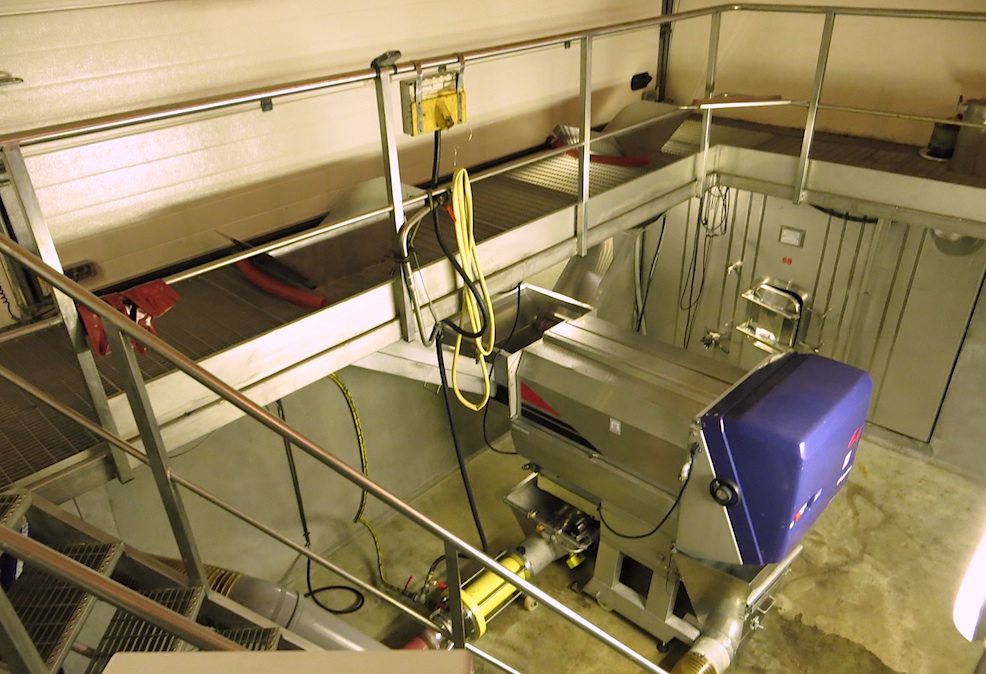
We hop into the French tour.  Immediately things look different.  Unlike the adorable garage-stables, with one person making wine from vine to finish with their bare hands, Roquetaillade embraces modernity.  The Starship Enterprise probably uses the same destemmer:

RoquetailladeDestemer

Hand-crafted?

We pass the lab where they do chemical analysis before blending.  Then a pristine hall opens to two-story-tall tanks:

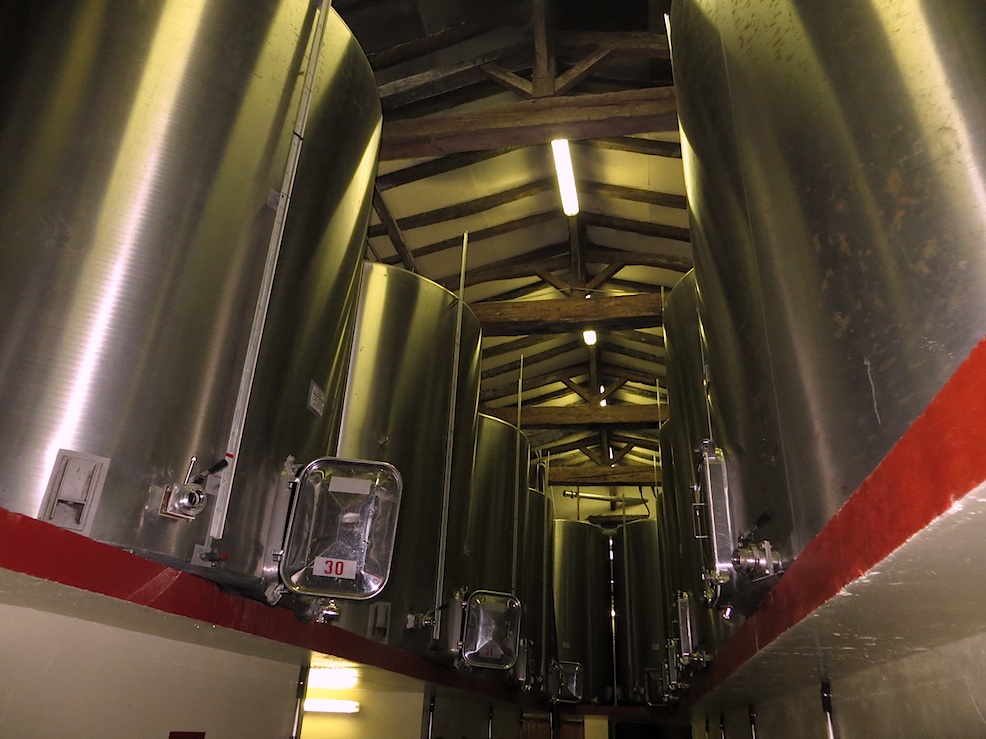
TanksRoquetaillade

Ooo ahhhh!

Nothing is left to chance.  Temperature controls abound.  Our mostly local crowd nods in affirmation.  The next barn barely contains the red wine tanks:

RoquetailladeTanksMore

Impressive.

Our round guide describes each varietal fermenting separately, at different temperatures, with different yeasts.  Although massive, he calls it quaint compared to Bordeaux’s heavies downriver (or les gigantique in California).

Either way, this is modern, international wine-making, dialed to perfection.  The world asked for clean, consistent product, in constant supply at ever-cheaper prices, and this is what we got: pure romance:

ScienceRoquetaillade

Science!

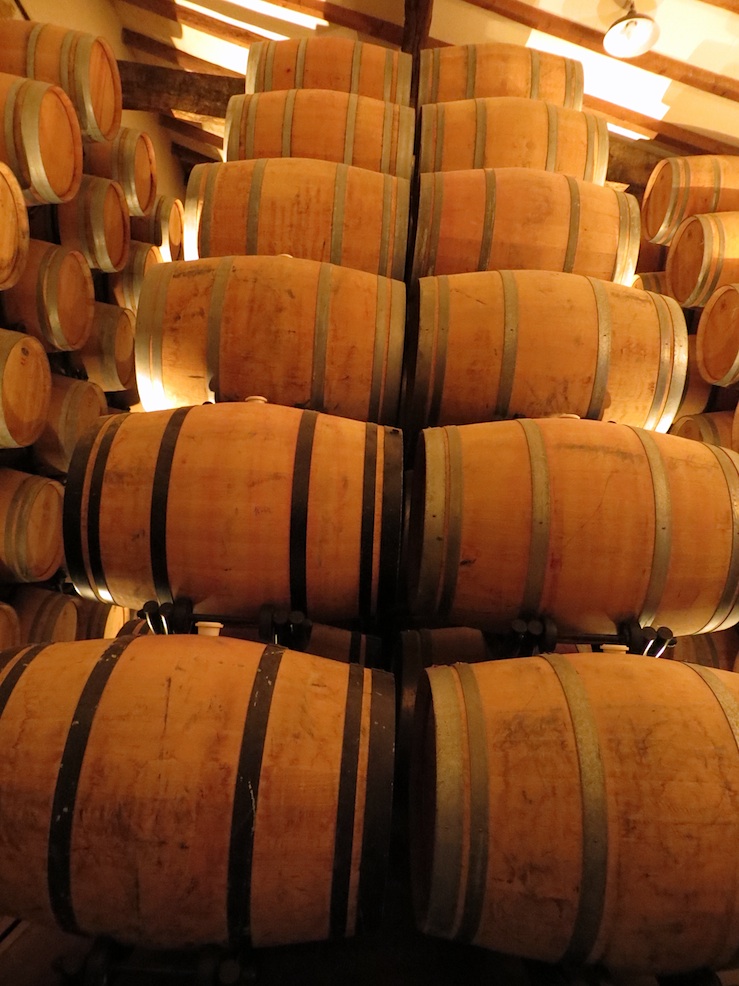
  Our guide wows us once more, with the mountainous barrel room:

MassiveBarrels

Not a fan of earthquakes.

They look stacked, but each barrel hangs on an arm that can be lowered or raised independently of killing anyone nearby.  Our guide demonstrates.  We oo and ahh.  Here extensive new oak time adds complexity to the blended reds.

In the tasting room, we work through their 2009s.  By now palate fatigue, mental fatigue, and flu-fatigue creep up.  I lost my tasting notes, but Graves’ tight acidity shows decently here.  Roquetaillade’s wines taste bright, medium bodied, and pure.  Pleasant red fruit, mineral, and oak roast are easy to pick out.  But they taste too tidy to demand attention.  Little else defines these wines (bored, I flash a business card and taste their Sauternes: tropical, fresh, light).

We wobble back into our van.  As it rattles past humble, ancient churches, grocery stores, and subdivisions, I think back on this complicated place.

GravesChurch

Pushing on Romanesque.

Graves is a border region.  Here, France’s rustic, experimental South weaves with aspirational farmers, entrenched locals, and smart, Bordeaux U transplants.  Most label their barn a “château” and tack on names like Brion, Camus, Croix in hopes of reflected glory (and accidental sales).

The quality is good, if extremely variable.  The range of styles from rosé, red, white, to dessert reflects a local market’s need (unlike collector regions, like St. Emilion or the Médoc’s monochromatics).   You won’t find any fruit bombs, massive tannins, high alcohols, or chew.  Instead, good structure, fresh acidity, some fruit, body, minerality, and oak provide a daily, dinner drinking workhorse.  The value is undeniable.  Most cost under $30 and taste like proper Bordeaux.

Getting to visit four wineries for free was a treat.  Thank you Portes Ouvertes dans les Graves for making our EU Austerity Drinking Tour possible.

GravesFlattens

Saturated light.

The river basin levels off.  A timely train takes us back to our home-stay in Bordeaux.  Our Romanian host cooks up leek soup for our sick heads.

But illness be-damned.  Next Monday, we head to St. Emilion: home of Merlot!

Posted in Uncategorized | Tagged , , , , , , , , , , | 2 Comments

Japanese Beer: Baird Beer, Dark Sky Imperial Stout, Numazu, Japan

Today we visit Japan.

Beer may be your last thought, but the Japanese love it.  Most drink mass-produced lager like the rest of us.  Yet, by the mid-90s, regulations loosened and allowed for a craft beer boom.  A license went from 2000 kl per year to 60 kl.  Then Baird Beer steps in: not very Japanese-sounding.  Heck, their website looks like any other American micro-brewery’s: nary a whiff of the land of the rising sun.

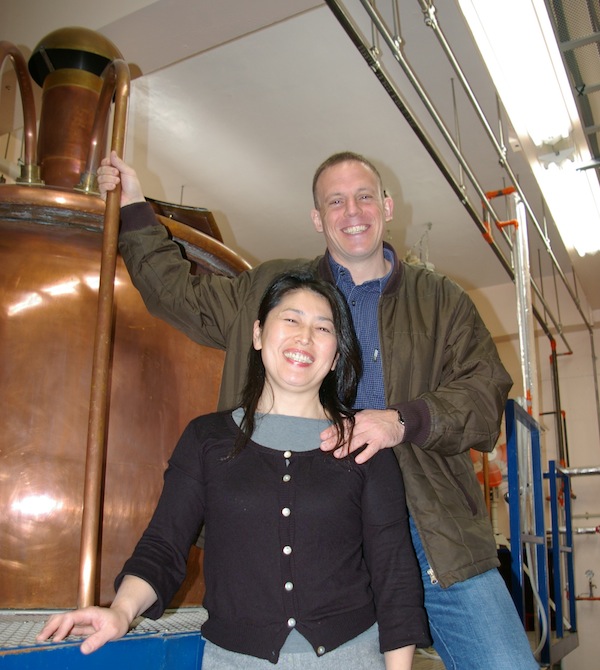
That’s because Bryan, a former Johns Hopkins grad, and Sayuri, a native of Okinawa, founded it.  International studies sent Bryan to Japan.  But he preferred beer.  Then he met Sayuri.  They moved to the US.  Then he crammed in the American Brewers Guild 3-month intensive and apprenticed at Redhook Brewery in Seattle. They quit their jobs and home-brewed countless small batches.

A chance meeting sent them to Numazu: a fairly conservative port town in Japan.  But they stayed.  They continued brewing on their porch and raising their kids.  By 2000, the couple had confidence in their 30 kl of beer and founded Baird Beer.

baird-brewing-founders

Bryan and Sayuri and their copper baby.

It took a decade, but they developed relationships with pumpkin growers, temple citrus cultivators, and carpenter Mikan pickers.  Thus, many beers are seasonal.  Traditional floor-malted barley, only whole flower hops, and minimally treated, soft, Mt Fuji spring water make their beers unique.  Time and chance allowed the Bairds to open a brewpub in Tokyo.  Now they have a handful of pubs throughout Japan.

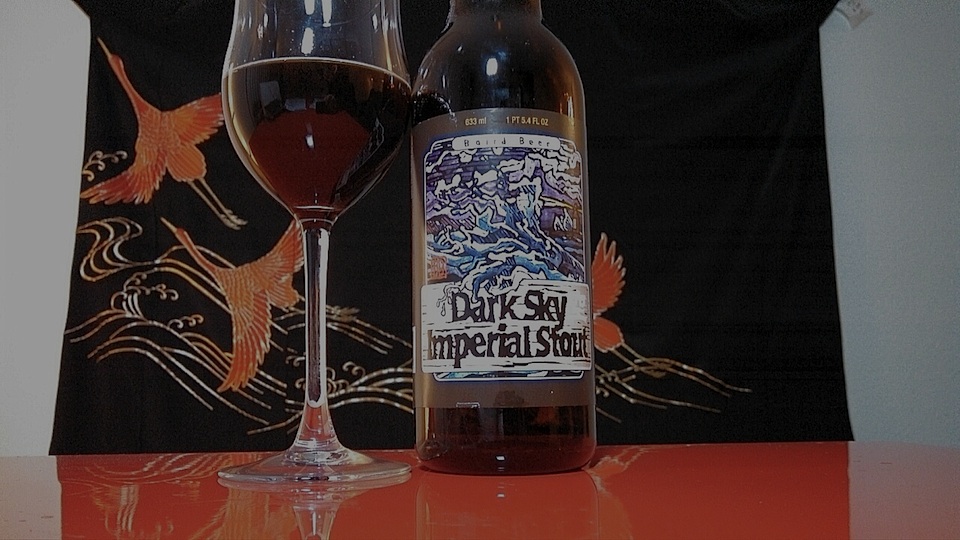
Tonight, cold winter winds drive us to open Baird’s Dark Sky Imperial Stout:

BairdBeerDarkSkyImperialStout

Nice.

APPEARANCE: It looks clear brown…if one could see through it (no filtering), with a flaxen rim.  Secondary bottle fermentation (like Champagne) means only a mild bubble persists.

AROMA: It smells intensely of a red box of Sunmade raisins, like the ones found in my 1980s lunchbox.

CaliforniaRaisinsbank

Racist? Maybe.

Aromas of chocolate bar, honey, wheat, dried hops, maraschino cherry, and liquor follow.  All this aromatic intrigue comes from dry hopping and floor malted, roasted grain.

PALATE: Some sweetness and plump body at the front curve deeply into moderate acid, dark, chunky tannic bitterness, all ending with ember warming alcohol (9%).

FLAVORS: lead with ripe, friendly figs but then shoot off in all directions.  Pistachios go one way.  Chocolate bar another.  Moderate hop greenness runs another.  Then dry spices like vanilla, cinnabar, and nutmeg confuse the palate.  By the end, a lovely, glowing chunk of burnt wood dries away this dessert, like inhaling smoke from a beach fire after eating a s’more. The length is long.

SmoresBeach

Yum! *Cough* Yum! *Cough*

CONCLUSIONS: Dark Sky Imperial Stout is fascinating, challenging, and very good (4 of 5) Imperial Stout.  It shows balance, complexity, and a clear range of flavors.  It is a Craft Brew, with all the connotations of that bold, international style.  It could probably be brewed anywhere.  But it wasn’t.  It doesn’t taste Japanese.  But it doesn’t taste American either.  Well done.

Interview with Sayuri: http://mij-only.com/index.php?id=646

Interview with Bryan: http://www.huffingtonpost.com/devin-stewart/brewing-in-japan-intervie_b_660810.html

Posted in Beer, EMPTIED BOTTLES | Tagged , , , , , , , , | 1 Comment