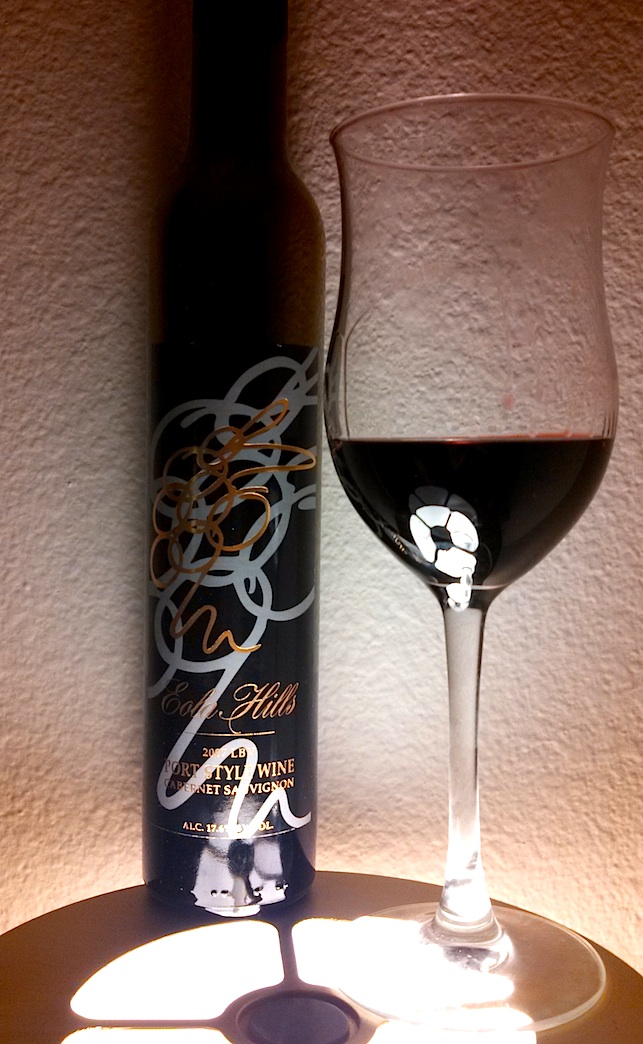
Night Cap: Eola Hills, Port Style Wine, Cabernet Sauvignon, Oregon 2007 LBV

With Turkey Day winding down, the family leaving, and dirty dishes at bay: you only have room for this.

Last Thursday’s Dry Riesling kicked winter in the ear.  Today, Wayward Wine turns once more to that stalwart of winter-bound, fireside drinks: Port.

WarresLBVporto2000MINIYears ago, we featured Warre’s Late Bottle Vintage 2000 Port (here).  Neither a cheap, young Ruby, nor an expensive, age-able Vintage: their LBV forged a middle path into Portuguese fortified wine.  Its sultry balance of spice, fruit, alcohol, and readiness reminded us of a belly dancer.

But can Oregon pull off the same trick?

In 1986, an insurance expert in agriculture bought vineyards near Salem.  Romantic, no.  Practical, yes.  Eola Hills has since expanded, contracting grapes from Willamette Valley Pinot to Lodi Zin.  They make some of Oregon’s most approachable, value-priced Pinot Noir.  But they also make this:

EolaHillsPortEola Hills, Port Style Wine, Cabernet Sauvignon 2007 LBV

Eola sourced Cabernet Sauvignon grapes from all over Oregon in 2007.  No valley was left unturned: from the Willamette, to the Applegate, Umpqua, and the Columbia.  But instead of just making a wine, they added grape spirit mid-ferment, which stopped yeasts, kept sugars, and raised alcohols to 17.6 percent.

Now Portugal makes LBVs to fill a market nitch.  They already make countless styles from blended, non-vintage Rubys, to long-aged Tawnys, and short-aged but intense Vintage Ports (meant for the cellar).  For LBVs they take leftover Vintage Port and age it four to six years in oak and another in bottle.  All that readies it for drinking on release.

But Eola only makes an LBV: like a new director only remaking Indiana Jones II without I or III.  Context be damned.  This is America.

After fortifying, their cab ages in barrels for five years, then another in bottle.  The result is eerily impressive.

APPEARANCE:

A clear, darkly intense ruby forms the core, and washes up the sides of the swirling glass.

AROMAS:

Pronounced marzipan, amaretto, toasty caramel oak merely dress up a black berried, jammy core.

PALATE:

Sweet.  Moderate acids, tannins, and alcohol fight to compensate for all that pure sugar syrup, which leads to a viscous texture and plump plump body.

FLAVORS:

Ripe blackberry syrup, vanilla, mint, and toasted oak last for a medium plus length.

CONCLUSIONS:

Eola Hills makes a very good (4 of 5), overtly pleasing LBV “Port Style Wine” for under $30.  Whereas Warre’s 2000 LBV flirted and danced with outstanding quality, Eola’s LBV simply satisfies.  It is a brilliant homage.  It is very ripe, luscious, and saved by just enough structure, oak, and complexity.  It is not bad for sequel remake.  But it is perfect for cleaning up after Thanksgiving’s chaos.

Posted in Dessert, Port | Tagged , , , , , , , , , , , , | Leave a comment

Chenonceau Castle, Gamay, and a new AOC Touraine Chenonceaux: EU Austerity Drinking Tour #50

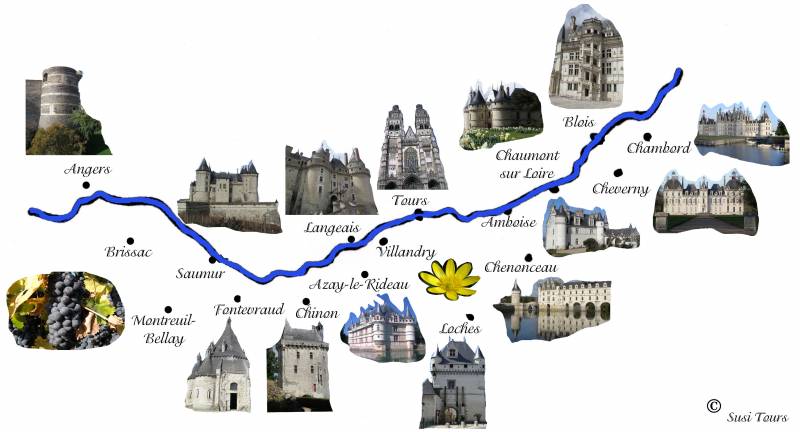
Before our EU Austerity Drinking Tour leaves the central Loire for it’s Atlantic Coast, we have to squeeze in a castle.

Think of Bordeaux.  You probably think of famed Châteaux.  But most of those are 19th century, retro-wannabes.  Only true, Renaissance, Disney-princess-filled châteaux litter the Loire like creamy, crenelated flies on a strip.

ChateauLoire

Just a few biggies.

We pick Chenonceau because it’s on every postcard, looks mad, and bad-ass Catherine de’ Medici reigned from there.

A train carries us South East of Tours.  We land at the massive gate-step of Chenonceau in an hour.

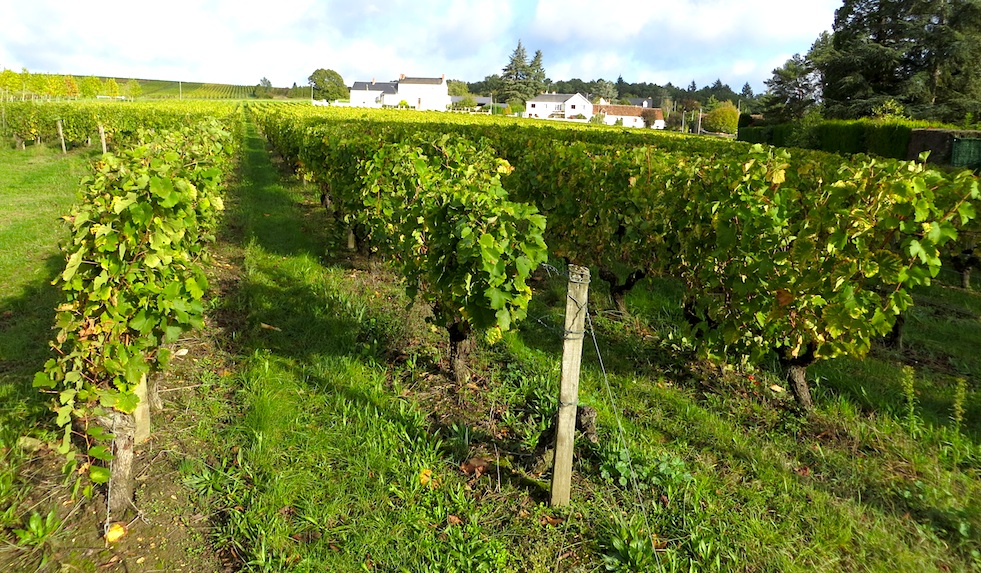
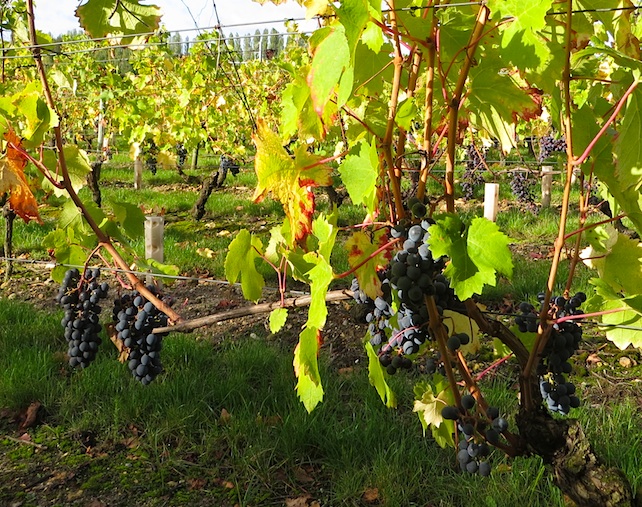
Vine trellises butt right up against the station.

Chenonceaux VINES

Taking advantage of some sun.

Vine-curious, we let the tourist hordes attack the castle.  We nestle between two rows and start guessing:

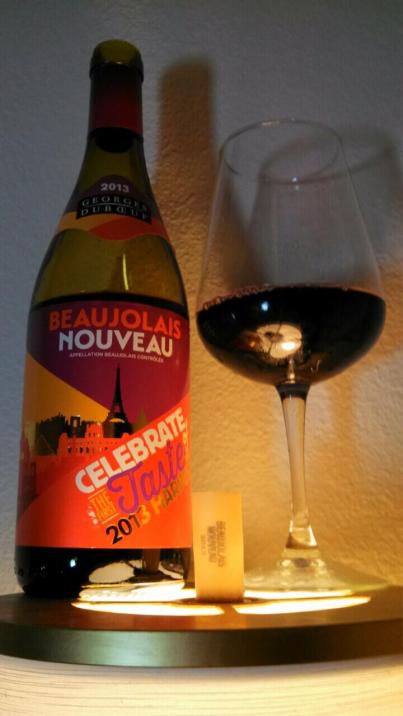
Now, yes, that was Gamay: a large, fruity, low-tannin grape (in)famously being guzzled right now, in the form of 2013’s Beaujolais Nouveau:

BeaujolaisNouveau2013

@waywardwine just tweeted about this decent but twangy effort (click photo).

Gamay also turns up in Loire reds under the AOC: Touraine Rouge.

But, little did we know, that in 2011, Touraine Chenonceaux AOC became its own Appellation.  It is so young, even the mighty Wikipedia has yet to add it.  The AOC runs along the Cher River for 10 miles in either direction of Chenonceau village.  Mild slopes of limestone define the terroir.  Only a dry white (sauv. blanc) and a dry red blend (malbec, cab franc, gamay) are allowed.

GamayGrapesChenonceau

Pretty tasty.

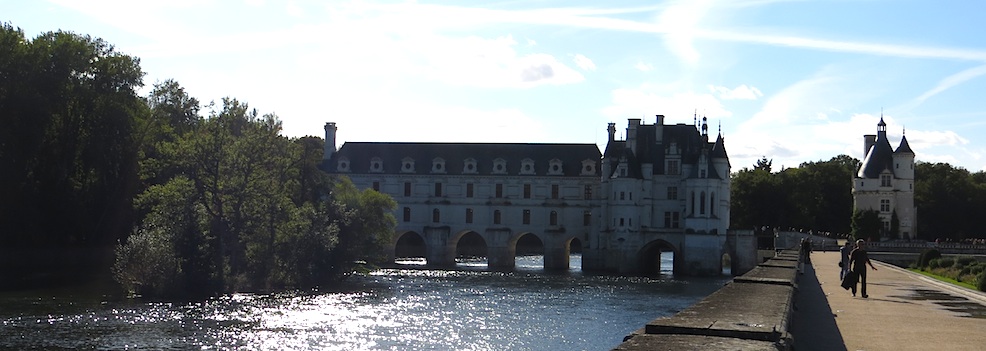
My thinking is the Château’s fame probably mattered more than preserving wine traditions or terrior differences.  (Touraine Azay-le-Rideau has profited from the same trick since 1939).  And who could blame Chenonceau.  It is breathtaking:

ChenonceauCastleDistance

Floating world.

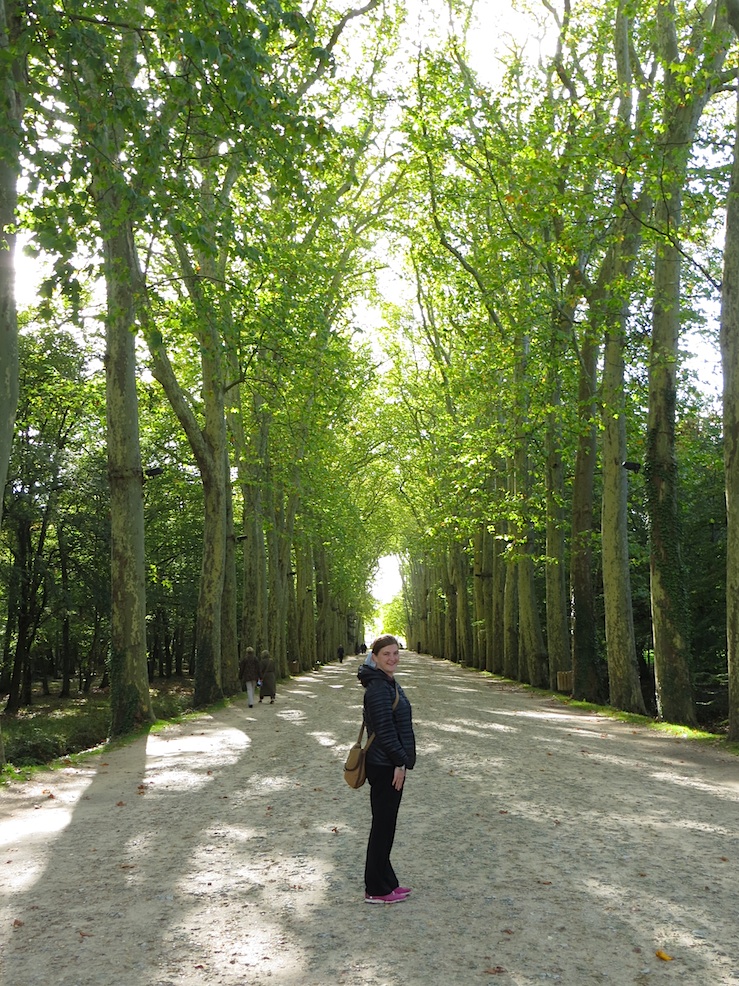
From it’s massive arbor paths:

TracyChenonceau

Just like our backyard (if we had one).

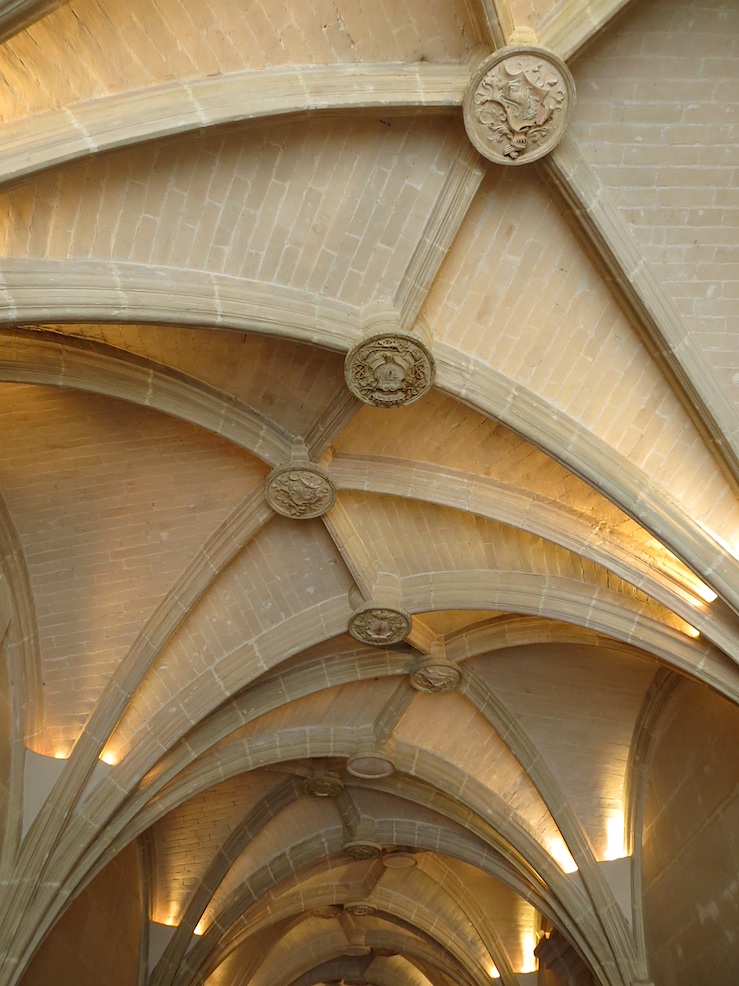
To its twisting ceiling:

ChenonceauCieling

Crossed eyed already.

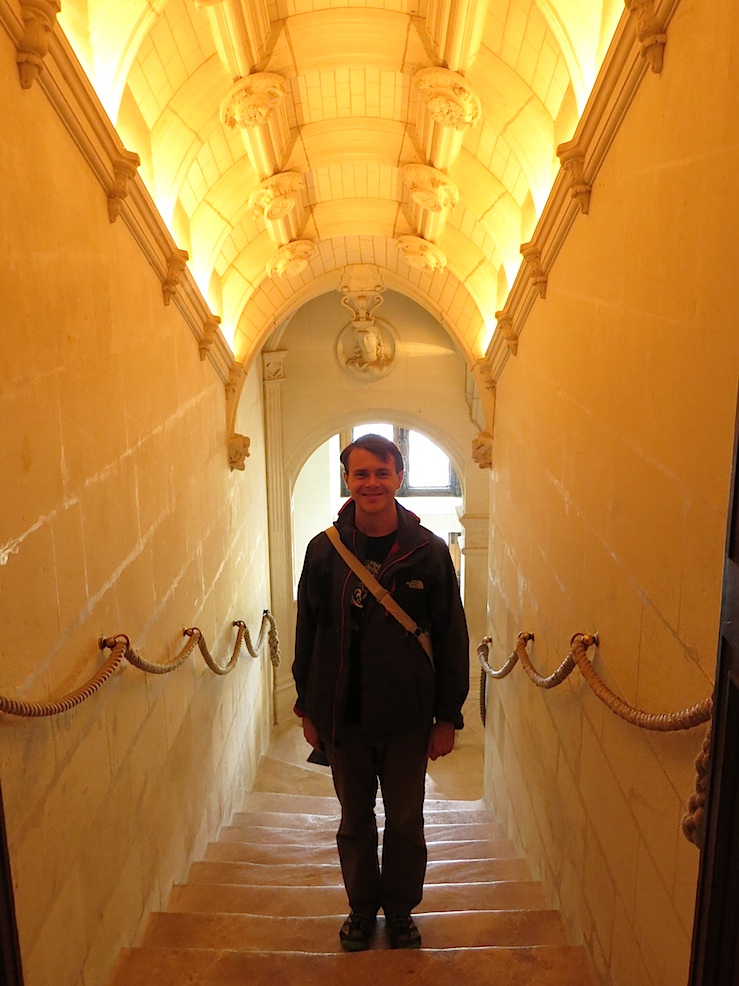
Up its forced-perspectival staircase:

AaronChenonceauStairs

It’s only a meter or two long.

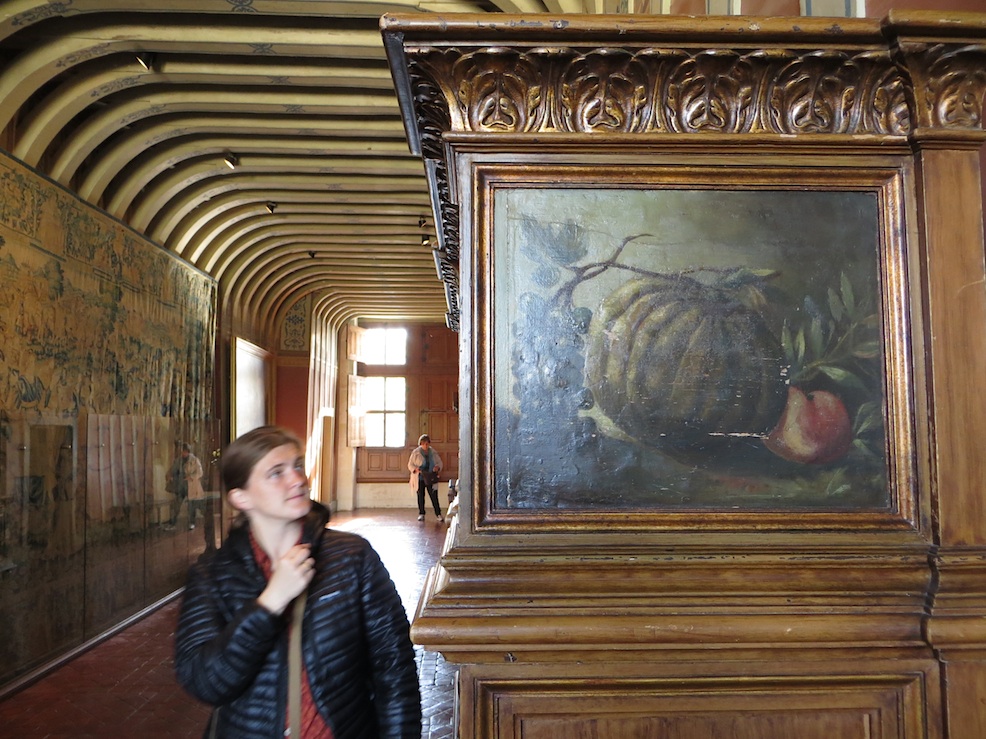
Up to it’s wood-ribbed hall:

ChenoncaeuUpstairs

Yum?

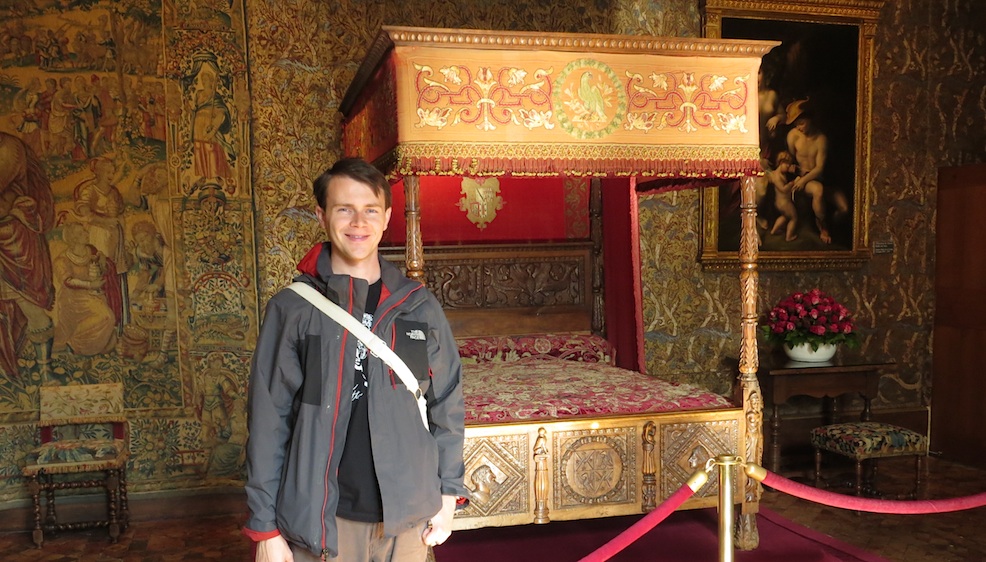
Into it’s bedazzling, tapestried bedrooms:

BedroomChenonceau

More gold thread count then my brain can handle

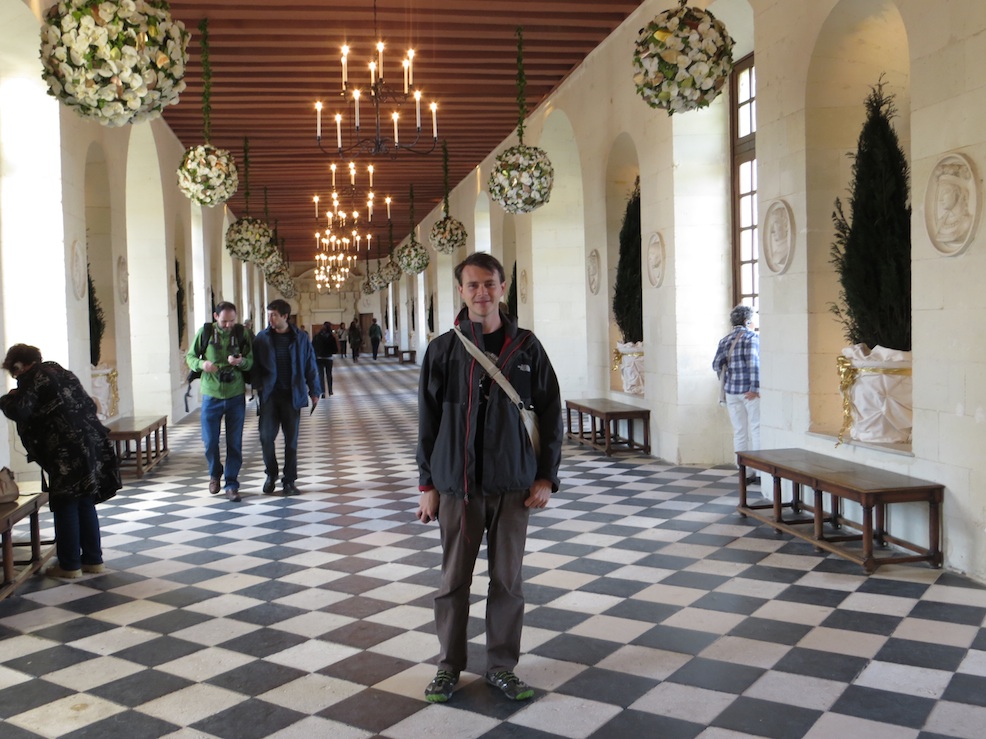
Down to the ballroom:

DanceHall

Dressed appropriately?

Further down to the kitchen:

TracyOvenChenoncau

Cozy being part of the masses.

And finally, back out to its sky-lit gardens:

ChenonceauCastleGardens

*meh*

I say, let the Chenonceau have its château-designated AOC.  Sure it will mostly confuse the already complex and endless appellations of the Loire Valley.  But tourists will lap it up, and its winemakers can afford to improve their wine.  We never tried Touraine Chenonceaux.  But it’s château and grapes are pretty damned good.

Posted in Loire, WINERIES WANDERED | Tagged , , , , , , , , , , , , , | 3 Comments

Winter White Wine: Dry Riesling, Canoe Ridge, Snipes Vineyard, Columbia Valley, Washington 2007

Frost paints the earth silver.  Thermostats shrink.  Chill seeps through windows.

Instead of turning to robust reds for comfort, Wayward Wine will steer you from conformity.  A huge Cabernet would crush your Thanksgiving turkey, Christmas goose, or Matzo ball soup. Instead, share the season’s cold snap and turn to a rich winter white.

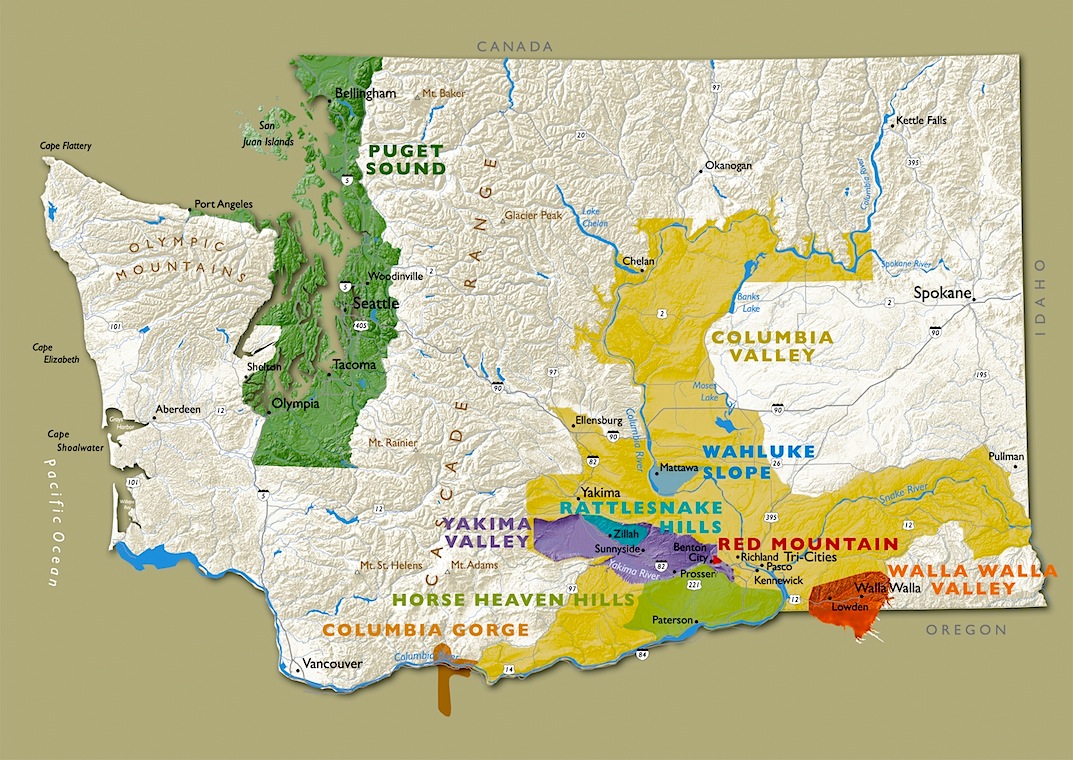
This Thursday, our palates race to the highest elevations in Washington State.  The grapes in question grew an average of 1,300 feet above sea level.  They come from wine’s newer fringes: Horse Heaven Hills and Rattlesnake Hills: regions certified only in 2005 and 2006 respectively.

WashingtonAVAmap3-06

Horse Heaven Hills (light green). Rattlesnake Hills (aquamarine center).

All this elevation matters, because tonight’s winter grape is Riesling.  As New York, Alsace, and Germany taught us, Riesling loves cold, bitter, miserably marginal climates (see post).

Eastern Washington, however, is a desert.

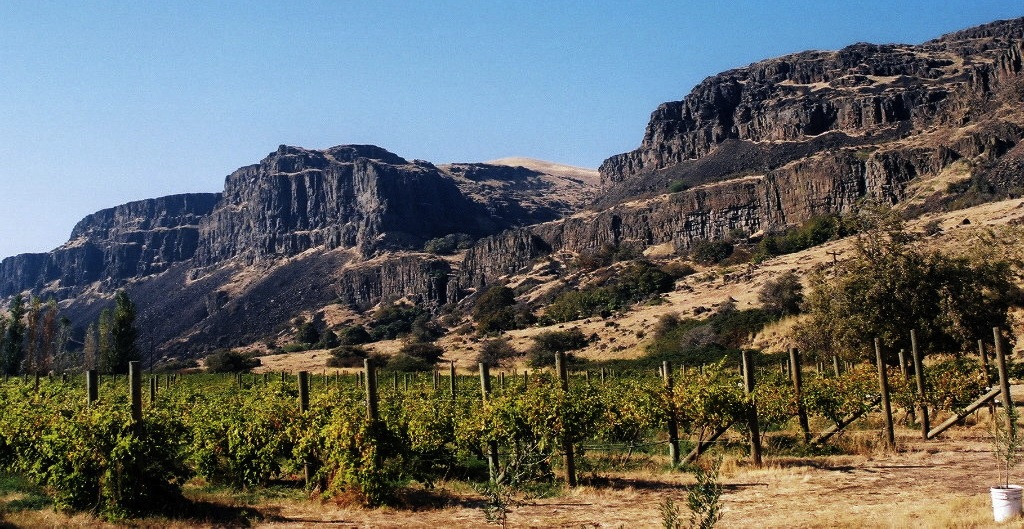
HorseHeavenHills

Horse Heaven Hills: NOT MARSHLAND!

Sure, nights get cold, but days stay sunny, arid, and hot thanks to the Cascade Mountain rain-shield that blocks Pacific clouds.  But the Vosges Mountains do the same to Alsace.  And Alsace makes amazing Riesling.

So Canoe Ridge Vineyards climbed over 1,000 feet to Washington’s coolest, most windswept hills.  I say climb-ed, because tonight’s Riesling is a fluke.  It’s from 2007.  Canoe Ridge doesn’t make Riesling anymore.  Christophe Paubert made this wine, but only worked there from 2006 to 2008.  He now runs Stag’s Leap.  Yes.  Stag’s Leap.

Five years past harvest, we crack open:

Canoe Ridge Vineyard, Dry Riesling, Snipes Vineyard, Columbia Valley, WA 2007

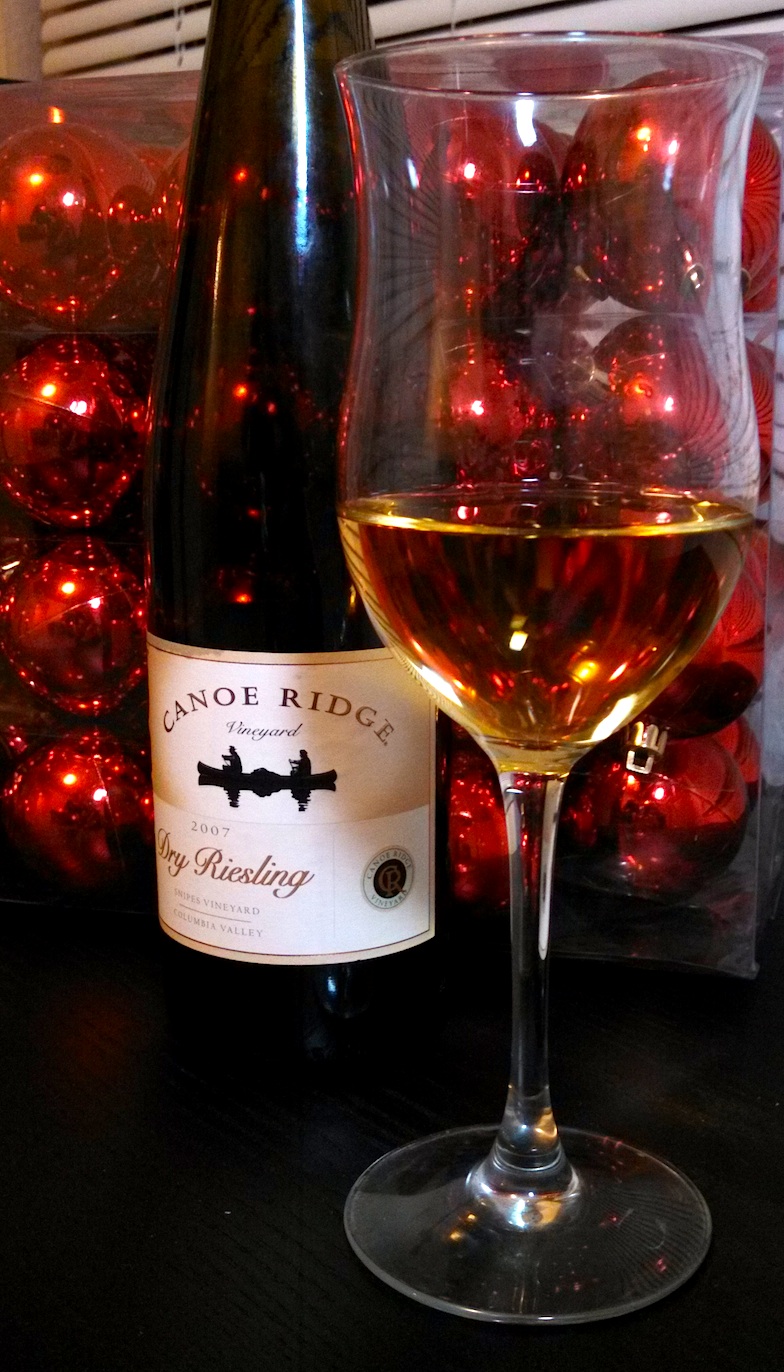
CanoeRidgeDryRiesling

Festive feelings.

APPEARANCE

The clear, medium intense gold color betrays gaining age.

AROMAS

Dramatic, matured aromas glow with dried apricot, citrus, granite mineral, and classic Riesling’s note of woozy petrol.

PALATE

Nary a gram of sugar survives this assertive, dry wine.  Like its Alsatian ancestors, all that sugar became fat, 14.2% alcohol.  Bright acidity still keeps this wine fresh and athletic.  But the texture feels viscous and the body ripe.

FLAVORS

Flavors hang in boldly, with notes of dried apricot, thick honey, pineapple juice, balanced by zippy lime peel and minerality that last a medium plus length.

CONCLUSIONS

Canoe Ridge’s 2007 Dry Riesling is Jean Claude Van Damme: 5(3) years past its prime,  the sun set on its career long ago.  But youth be damned!  Taught acidity laughs at harnesses, complex flavors smirk at foot-ties, pure alcohol mocks sugar’s special effects.

No.  This wine won’t give in.  It wears it’s ’80s denim jacket with pride.  Age has only improved what Wine Enthusiast gave 92 points years ago.  The quality remains very good (4 of 5). $15.

But reset your hips and arc your mind back to the Holidays.

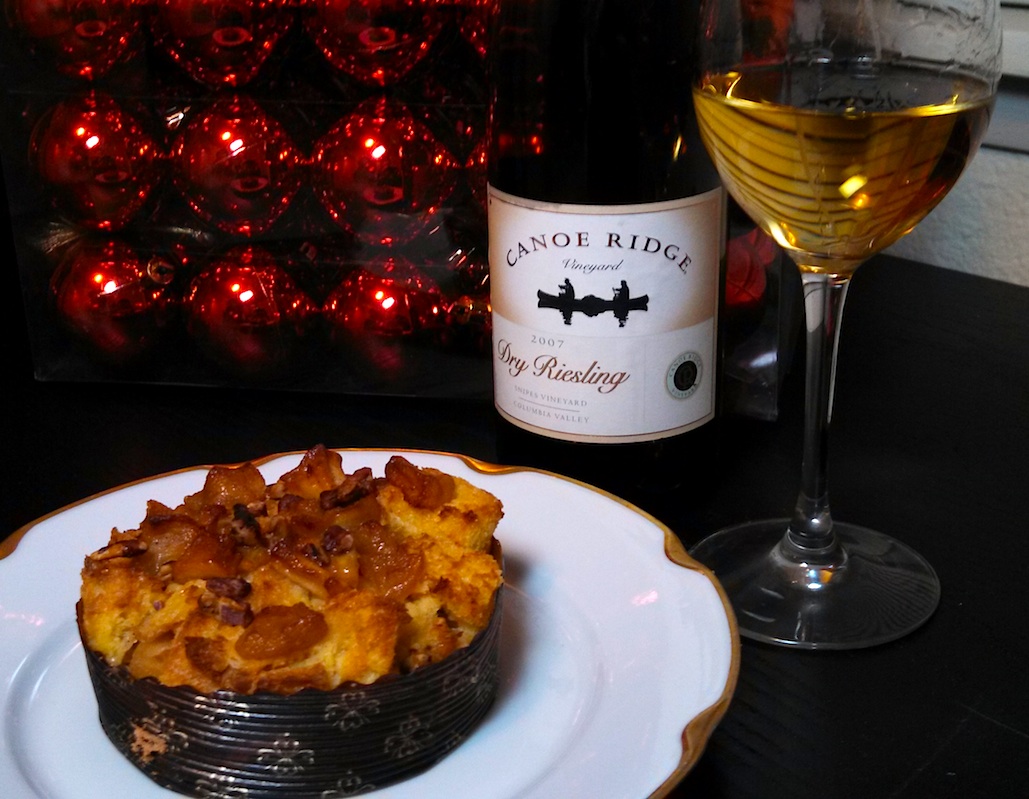
Although dry, this Riesling’s flavors, acids, and richness will roundhouse kick your quaint, local bakery’s pleasant bread pudding with pairing perfection.

CanoeRidgeBreadPudding

Delicious just got it’s face turned inside out.

Happy Holidays.

Great insider post on Canoe Ridge’s Storied Past: Paul Gregutt

Posted in EMPTIED BOTTLES, Riesling, White | Tagged , , , , , , , , , , , , , , , , , , , | 4 Comments

Wine Tour Made Easy: Maison des Vins de Loire de Tours, France: EU Austerity Drinking Tour #49

This Monday’s EU Austerity Drinking Tour takes us on a whirlwind wine tour of the Loire…indoors.

Last Monday’s postcard post saw a sun-drenched bike ride.

LoireVines

So much glorious sun.

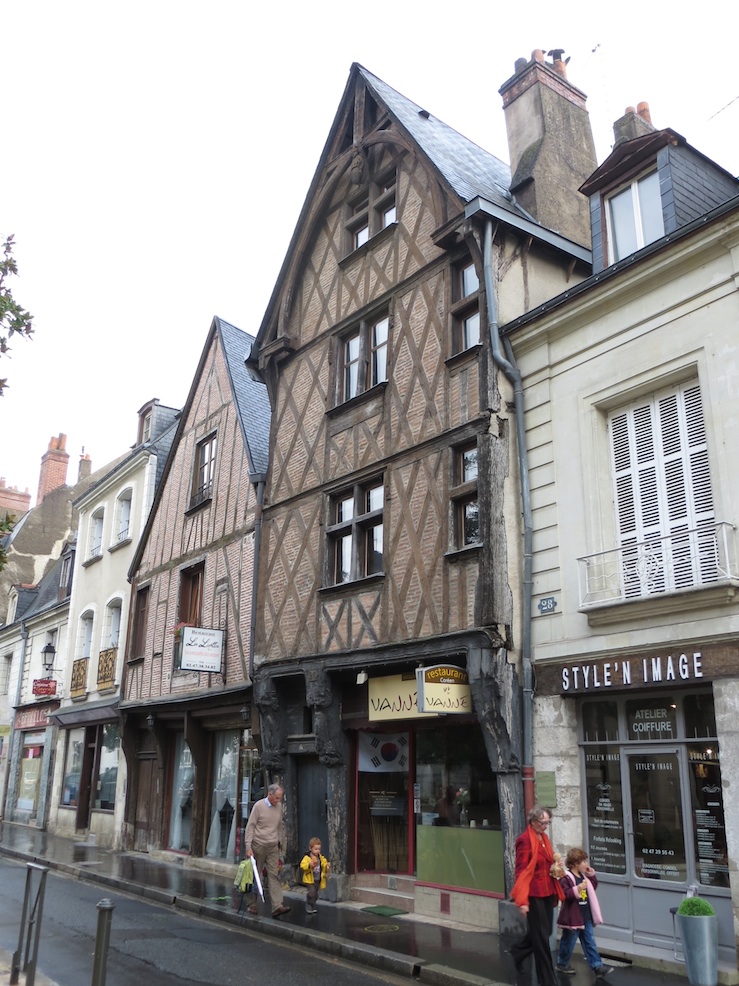
But, back in Tours, while enjoying its centuries-old city center…

TOursArchitecture

Tours’ charm offensive.

The clouds open, drench, and, drive us…well…into a bottle shop (surprise!):

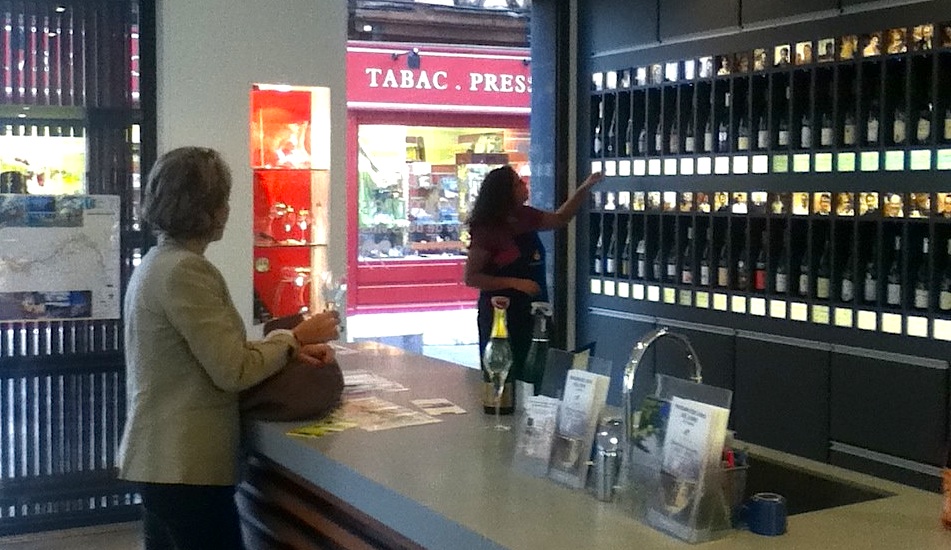
Maison des Vins de Loire de Tours

Maison des Vins de Loire de Tours

Maison des Vins de Loire de Tours.  A group of winemakers and negociants wanted to educate visitors about the Loire’s many wines, grapes, and regions.  So they set up tasting rooms in Tours, Saumur, Nantes, and Angers.

Yes, it’s for tourists.  But mostly locals popped in: partly out of pride, partly because the prices are low.

Maison des Vins de Loire

Many, many choices.

Overwhelmed by their range, hospitality, and knowledge, we visit it twice.  Here are some highlights:

Extra Brut: Valérye Mordelet, Les Loges de la Folie, AOC Montlouis sur Loire 10.90 EU

This fizz has a mild but spicy nose of cinnamon, candied pear, wax, smoke, and mineral. It is bone dry, with bright lemon, white pepper, grass, and a medium plus length. Very good (4 of 5).  Airy and ornate, like Tours’ Psalette Cloister.

Psalette Cloister

airy

But we’ve tried enough whites and bubbly in Vouvray.  So we turn to rosé:

Domaine Pibaleau, AOC Touraine Azay-le-Rideau 2011 6.00 EU

This pink comes from the Grolleau grape.  Critics hate it.  Robert Parker once told the Loire to tear it up.  When people think of Grolleau, they think of mass-produced, light, cheap, bland Rosé d’Anjou.

However, Pibaleau’s clear, pale rosé smells of red clay, rose water, turkish delight, and a fun bit of barnyard funk.  The palate tastes off-dry (1.3% rs).  But high acids tighten it.  Medium flavors tend toward a wild, mineral driven, tart, berried drink with roasted almonds rounding the medium-plus long finish.

Clearly, Grolleau can become very good wine (4 of 5): charmed, inviting, but all too ignored, like poet Ronsard’s retirement at the Saint-Cosme Priory:

Saint-CosmePrioryRonsard

Lovely grounds.

We turn to reds.

The Malbec (aka Côt) wines on hand taste fine but forgettable.

Cabernet Sauvignon shines as Domaine de la Bergerie‘s 2008 Anjou-Villages, “Evanescence”: tasting powerfully of cigar, chocolate, and licorice (3 of 5). 13.00 EU.

We try some solid Cabernet Francs.  But the meaty, grippy, brambly, black-cherried 2009 Chinon “Caractère” from Jean-Max Manceau stands out (3 of 5). 12.50 EU.

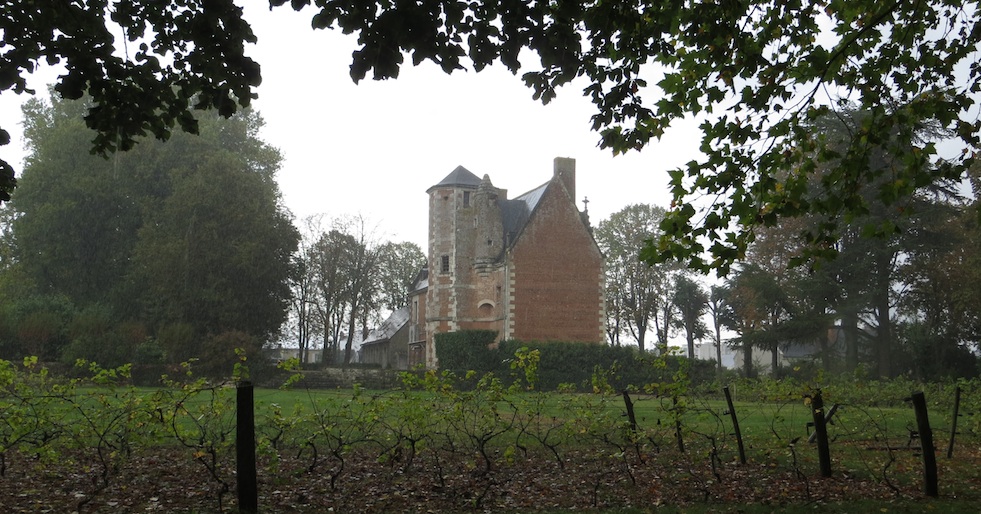
These serious, structured reds recall our rain-drenched discovery of the intimidating, austere, château retreat of Louis XI:

Louis XI Castle Retreat

Not glamorous but quite serious.

Next up, Gamay.

Beaujolais Nouveau has done much to popularize and demonize this grape.  Even the Loire celebrates Touraine Primeur: a carbon-copy Nouveau release of gamay.  We expect little.

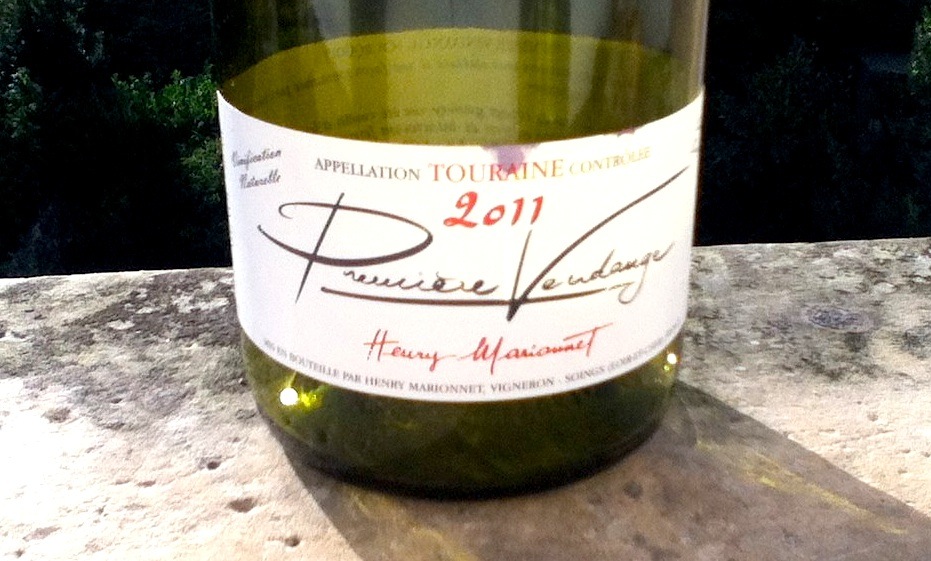
HenriMaroinnetGamay1ereVendage11

Emptied with good reason.

But Domaine de la Charmoise‘s “Première Vendage” 2011 Touraine is a completely different wine.  Henri Marionnet let native yeasts ferment a wine, meant for young drinking.

Our 50 cent taste reveals a purple color.  Wild bramble fruits, cranberry, cinnamon and a slight savory edge make up the bouquet.  Vibrant high acids, mild tannins, and moderate alcohol (12.5%) add up to a lightish body.  Present flavors of cranberry sauce, followed by earth, chalk, cinnamon last for a moderate length. It is strange and fun like

We like this lean, fun, earthy gamay: very good (4 of 5). So we buy it for 8.50 and enjoy it with the bonkers cat at our homestay:

Cat

“Hello!’

Want a more wayward grape? Then try and find a Pineau d’Aunis. Once the darling of medieval kings from England’s Henry III to France’s Charles VII, Aunis today has rapidly declined, with fewer than 1,000 acres remaining.

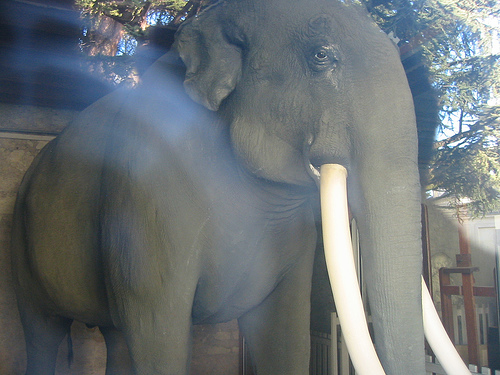
But Domaine de Cézin makes a red Côteaux du Loire 2011, called “Aunis” from it.   Similar to Pinot Noir, this Aunis looks a clear, light ruby.  Aromas and flavors evoke clove, cranberry, and cracked pepper.  It holds our palates with a good, dusty, tannic grip, and high-toned acidity. The body is round. The length is impressive. The quality is very good (4 of 5), especially at 6.50.  It’s just as odd, rare, yet adored as Tours’ stuffed elephant, Fritz:

FritzTours

So famed, that when killed by a streetcar, they stuffed him.

Lastly, dessert. And back to the Loire’s classic grape: Chenin Blanc.

Domaine de la Chataigneraie, Sélection St Martin, 2010 Vouvray.

It looks like clear, golden amber.  Aromas announce themselves with rich perfume, beeswax candle, savory yeast, and stone fruits.  It is lusciously sweet, full bodied yet balanced by peaked acidity.  Twisting, complex flavors range from raspberry, to dried apricot, botrytis, fresh nectarine, and endless honey.  Very good (4 of 5) for 16.50.

This is challenging yet charming, lovely yet stately: just like the strange, experimental, half-bridged Château Chenonceau:

Chenonceau

Gorgeously wild.

Maison des Vins de Loire pulls off a difficult trick.

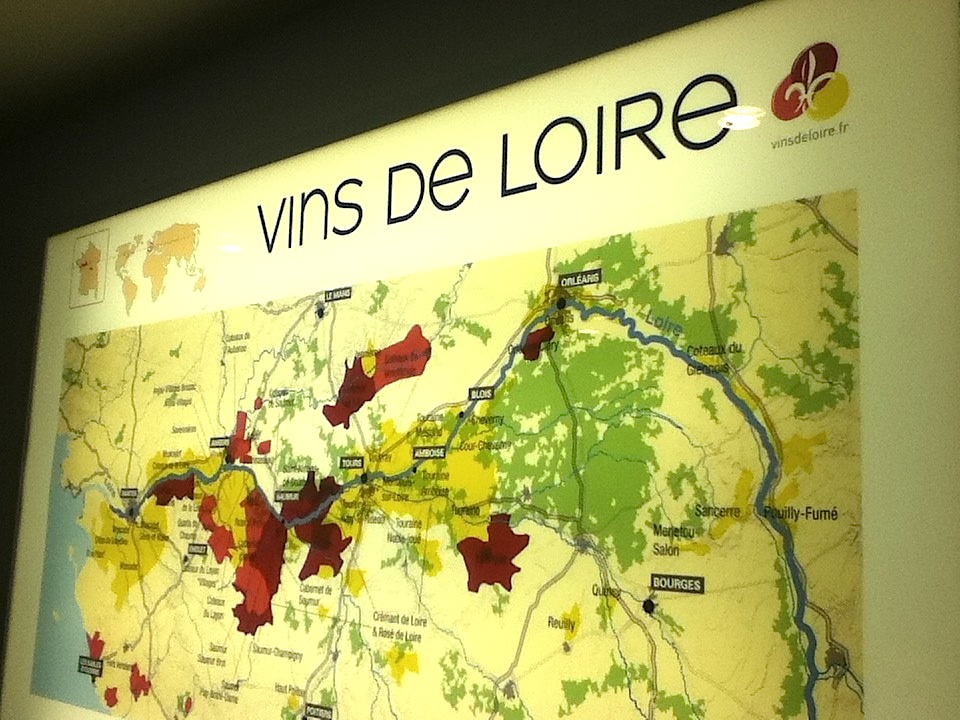
Vins de Loire Map

The ever-challenging stream of grapes.

The Loire river holds amongst its banks a Noah’s Ark of wines.  Yet this chain creates a sharp, straightforward environment.  They carry well made, reasonably priced wines, and are excited to teach you about them.  There one can sample the wide diversity of grapes, regions, and styles of Loire wine, without ever getting soaked.

Posted in Loire, WINERIES WANDERED | Tagged , , , , , , , , , , , , , , , , | 5 Comments

A FOODLESS WINE FEAST OF PENFOLDS #MWWC5

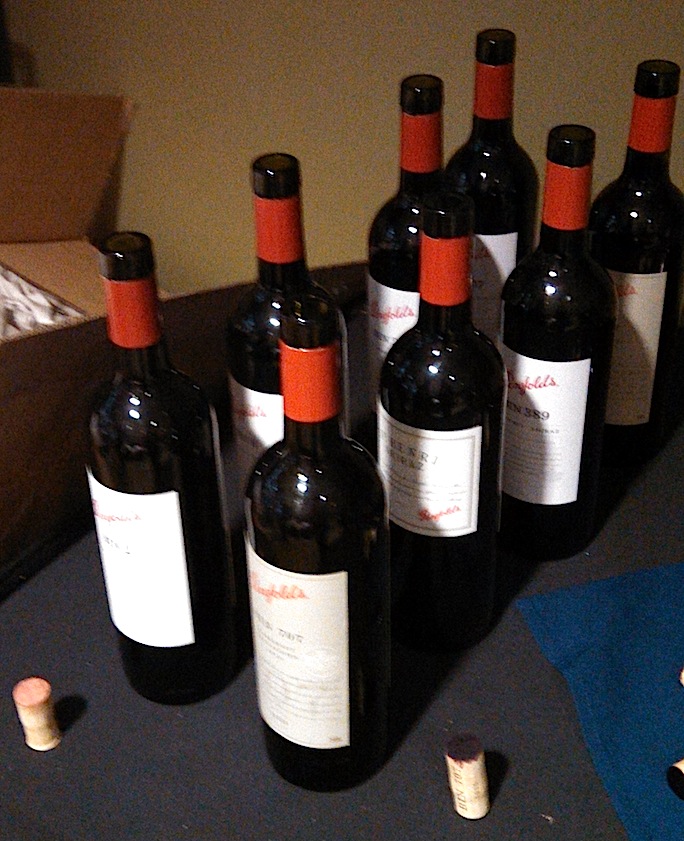
No greater feast of wine befits this Monthly Wine Writing Challenge (MWWC5):wine-stain1-2It is 7:48 am.  I should be in bed.  Instead, my job in wine sales has me walking into a conference room.  No one told me why.  My waxen eyes fall on some bottles:

IMG_20131025_090042_985

Well, hello breakfast.

“Hmm, eight Penfolds for breakfast.  Nothing like big, Australian reds instead of waffles.  Sorry liver.”

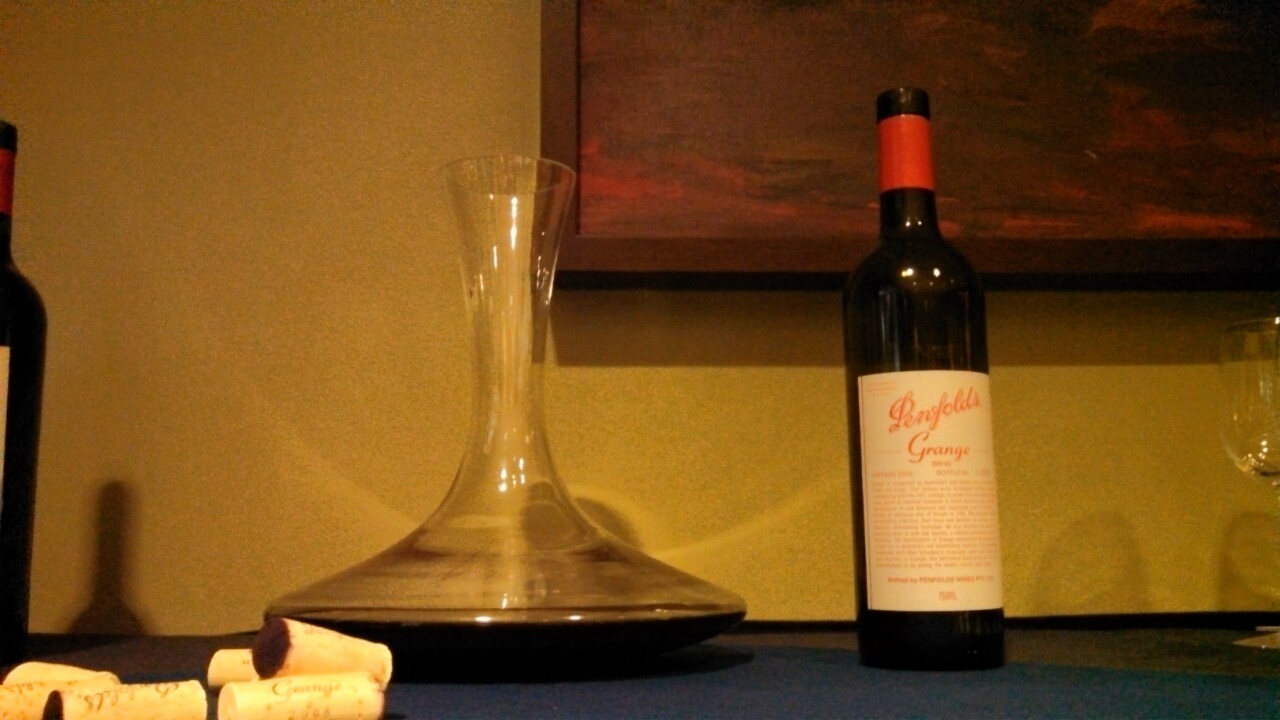
But beyond this glass regiment, at the table’s end, sits a decanter and a bottle.

IMG_20131025_103825

Just some grapes in a glass.

Grange. Bin 95. 2008.

Oh yes.

But before Penfolds’ big turkey, an hour-long lecture drags like the NFL Pre-Game Show.

NFL Fox Pre Game

Still hungry…

Finally, the feast begins with the “appetizers”:

PenfoldsMix

Like chips and dip, only vinous.

We start light with cheddar on crackers: Bin 2 Shiraz/Mouvèdre 2010: It is simple, chocolaty, berried, short but approachable (3 of 5) for under $15.

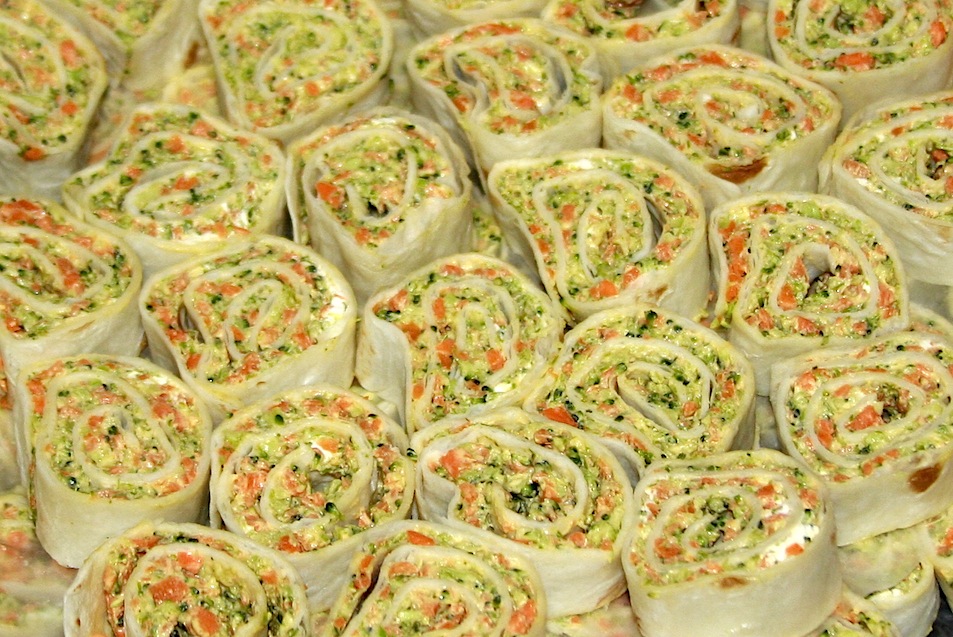
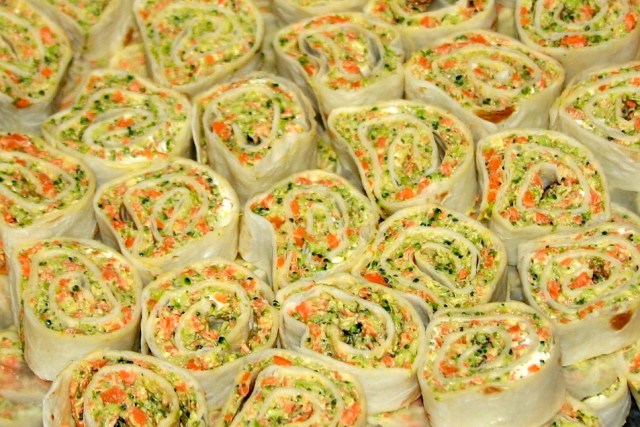
A veggie pinwheel comes in the form of Bin 8 Cabernet/Shiraz 2011. It has more color, more aromas of mint, vanilla, caramel, meat, and cherry.  Tweaked up acids lead to an anise, talcum powder, tart apple, boysenberry-driven wine. But it is still average (3 of 5). Around $20.
VeggiePinwheels

So many…

Bored with the crackers and pinwheels, we step up to Auntie’s Pigs in a Blanket: Bin 28, Kalimna, Shiraz 2010. Powerful aromas of cacao nibs, molasses, and boysenberry glow.  This wine is all texture.  Ripe berries, tartness, leaf, and clay dust, last a while. Very good (4 of 5) under $27.

PigsNblanket

Healthier by the minute.

Surprised by Auntie’s piggies, next, our chip dives into a gorgeous spinach and artichoke dip: Bin 389 Cabernet/Shiraz 2010 flaunts its first-use Grange barrels with powerful toffee, caramel, whisky, and violet aromas.  Gripping, dusty tannins tighten the lengthy black bramble fruits with chalk.  This baby Grange is very good dip (4 of 5) for under $60.

SpinacheArtichokeDip

OMG!

Ready and seated for the main course, mom yells that the big bird needs more oven time.  Impatient, we start passing the sides around the table.

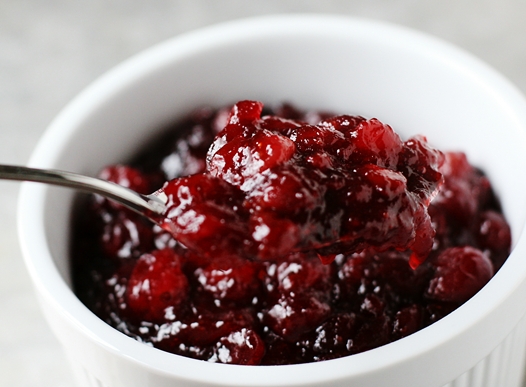
Cranberry sauce comes in the form of Bin 407 Cabernet Sauvignon 2010.  It powers forward with cassis, vanilla extract, jangly bell pepper, and coconut aromas and flavors. It feels a bit soft, but full bodied.  Its longer length keeps it very good (4 of 5) but pricey under $60.

cranberrysauces

Food porn.

Next, green beans arrive as St. Henri Shiraz 2008: Penfolds’ stab at being serious and French.  It smells intensely of bacon, maple, tobacco, and treacle.  Tannins and added acids grip palates tightly.  Strong flavors of cassis, French oak, tobacco ash, and dried leaf last a long while.  St. Henri demands you wear a beret, age it for twenty years, then drink it with steak au poivre: very good (4 of 5). $7o.

GreenBeans

Green must mean healthy.

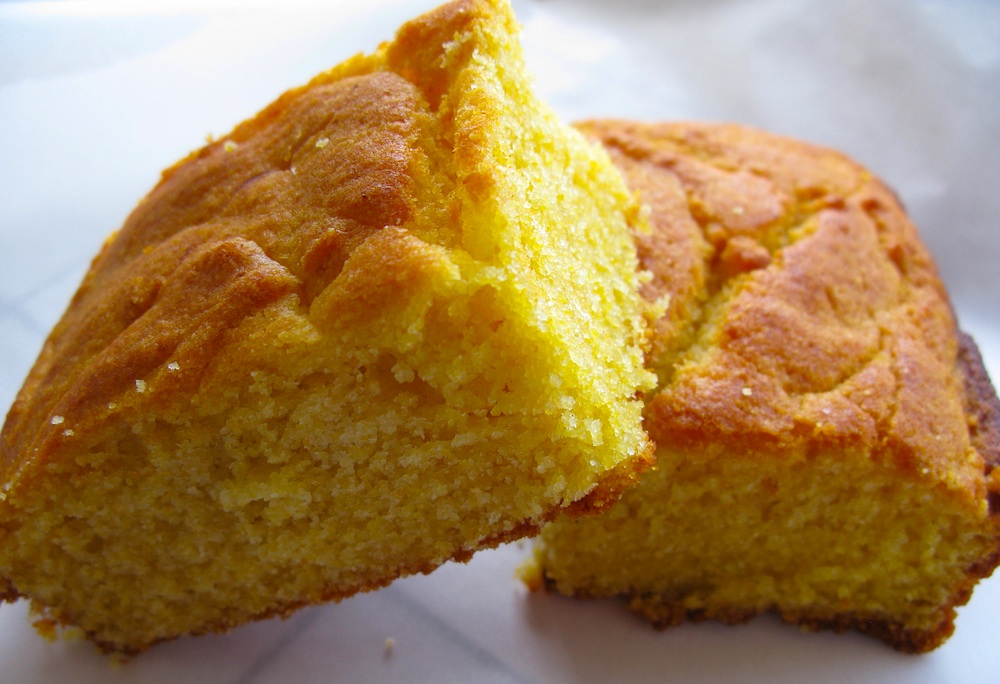
But then, golden cornbread: RWT Barrossa Valley Shiraz 2008: Penfold’s rare attempt at region-specific wine.  Strong aromas of blueberry jam, caramel, and vanilla dust lead to a fruity, soft, massive body, with a polished, silken texture.  Focused flavors of cherry, French oak, and nutmeg last well to the next wine.  It is too perfect and pleasing (5 of 5). Even at $140, I want more.

Cornbread

Honey.

Finally, garlic-mashed-potatoes take the form of Bin 707 Cabernet Sauvignon.  Opaque ruby in color. Overwhelming aromas smell of prunes, black cherry, and eucalyptus.  Acids, tannins, alcohol, and body all trample my mouth, yet somehow in balance.  Flavor is king, with pronounced cassis, chocolate, tobacco, and herbal medicine notes that run forever.  707 is outstanding stuff (5 of 5) at $230.

mashed-potatoes

Temptress.

But then, already bloated on sides, aromas fill every inch of the room.RockwellThanksgivingGRANGE SHIRAZ 2008

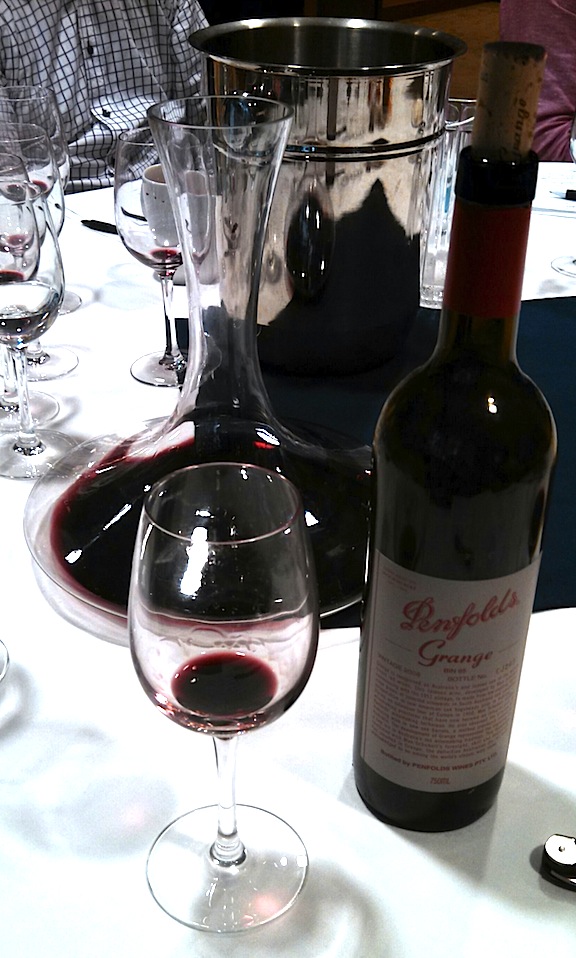
The decanter floats to me.  Impenetrable ruby color forms in the center of my glass with a clearer rim than the others.  There is sediment.  This is real.GrangeProfileAgainst my nose rushes an array of treacle, toffee, blackberry compote, kirsch, and vanilla dust: like a silk dress, violet in color, framed in intricate lace.

Similar to Bin 707, Grange’s structural elements of acid, tannin, alcohol, and body are all bold but balanced.  However, Grange manages to feel more serious, ageable, yet warming with alcohol.

Evolving sips reveal pronounced bran muffin, toffee, black cherry, and nutmeg that last forever.

I pause a minute.

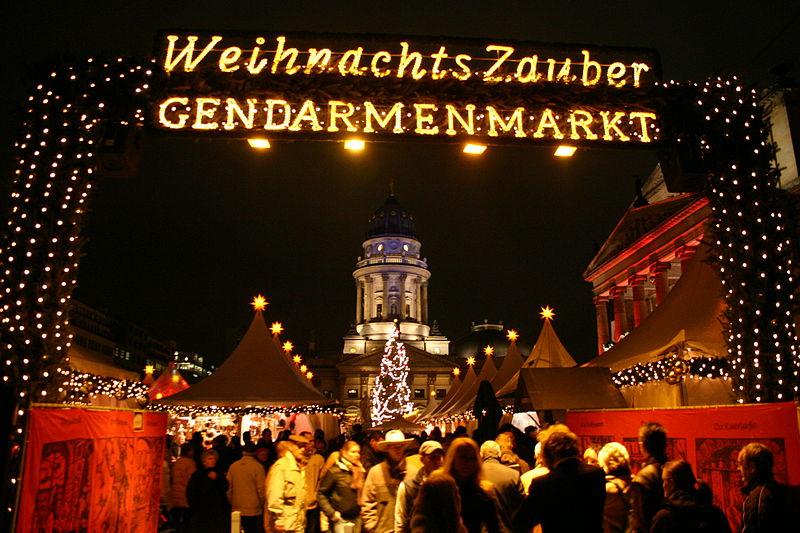
Another taste takes me to a night in Berlin’s Christmas markets.
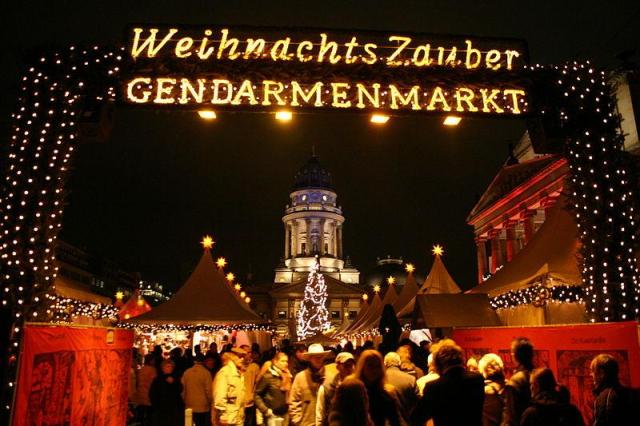
gendarmenmarkt-christmas-marketAgainst the crowds and cold, flavors of glowing red gluhwein, mulled with clove-stabbed oranges and spices, subsume whatever remained of my consciousness.  I escape into that warm mug and let the world pass.

2008 Grange is a feast in and of itself.  Only a handful of wines seem so complex.

I have GrangeLabelonly seen two bottles in my life.  If you ever find it, this Grange will cost, at minimum, $650.

But how good is it really?

Both Wine Spectator and Wine Advocate gave only eleven wines a perfect 100 point score.  Grange was one.  The other ten were French.

The only time Robert Parker went to Australia, Penfolds drew him to a complete vertical tasting of Grange.  He found this 2008 and the first Grange, 1951, to be perfect.

But Penfolds makes Grange that way.  Their goal is to get 100 points.  They shun single-vineyard-mindedness.  Instead, they bend nature to their will.

Following their roots in fortified wines, Penfolds draws grapes from the best estates throughout massive South Australia.  They taste each separately-fermented parcel, blend the best, rack four times, then age the chosen bits together in top American barrels.

But Penfolds also brought acid adjustment to wine.  They structure their hot climate reds to be shelf-stable and balanced.  Since the 1950s, countless new methods have been embraced.  Grange, like all of Penfolds’ wines, follows their pursuit toward perfection.

So yes, regardless of nature’s vagueries, Grange provides the flawless, foodless feast.
PenfoldsBottleGlassDecanter

Posted in EMPTIED BOTTLES, Red, Syrah | Tagged , , , , , , , , , , , , , , , , , , , , , , , , | 13 Comments