ENTRÉE PARIS 4: La Fête des Régions: EU Austerity Drinking Tour #43

Our EU Austerity Drinking Tour continues today in search of a feast.  Paris is constantly awash with events.  We stumble onto La Fête des Régions: the biggest fair of regional food in France.  Terroir-tastic Batman!  Since it was right next to Stalingrad Metro and a lovely canal, we gave ourselves permission to drink and eat…everything.

Lavender vapors pour from the Provence still.
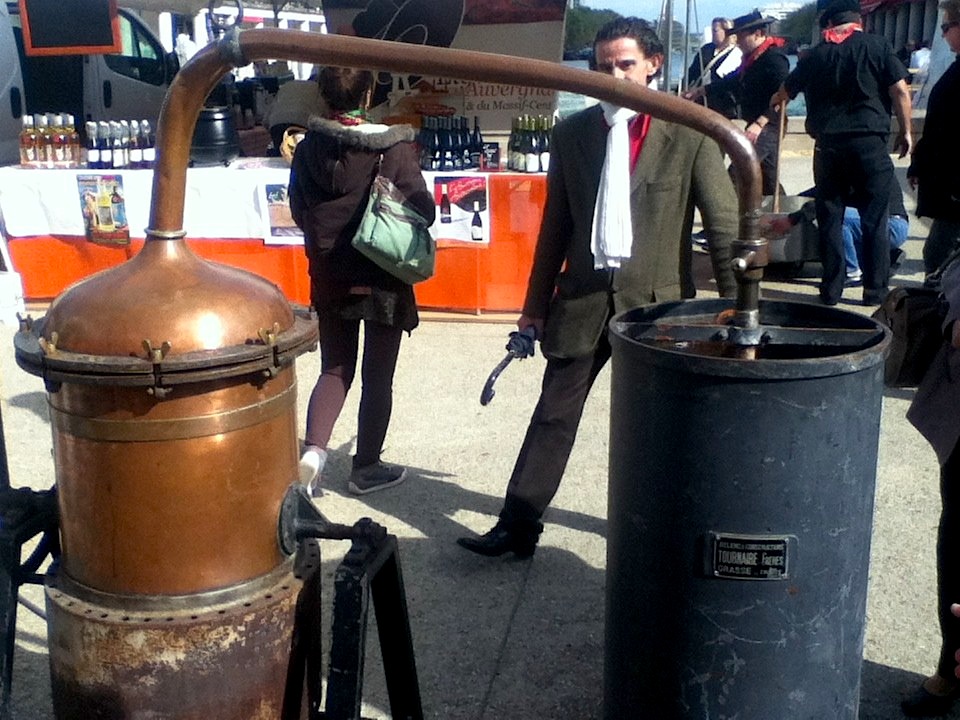
Photo2

This man is Paris.

Comté cheese mongers abound.  Bordelaise mushroom vendors sprout adorable glass packages:
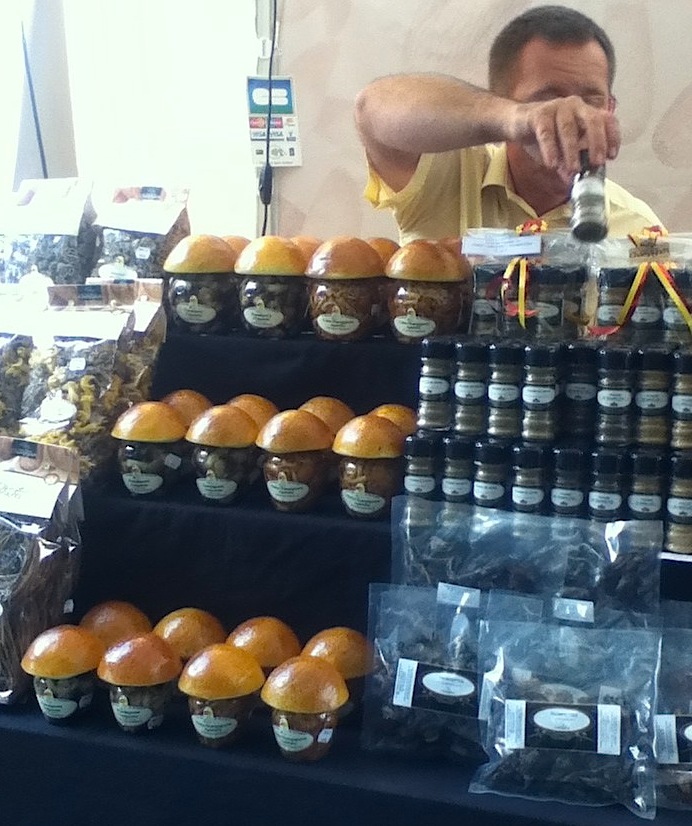
Photo3

Want!

But we came here to drink.  So we start light.

PARIS
GalliaBeerBlond

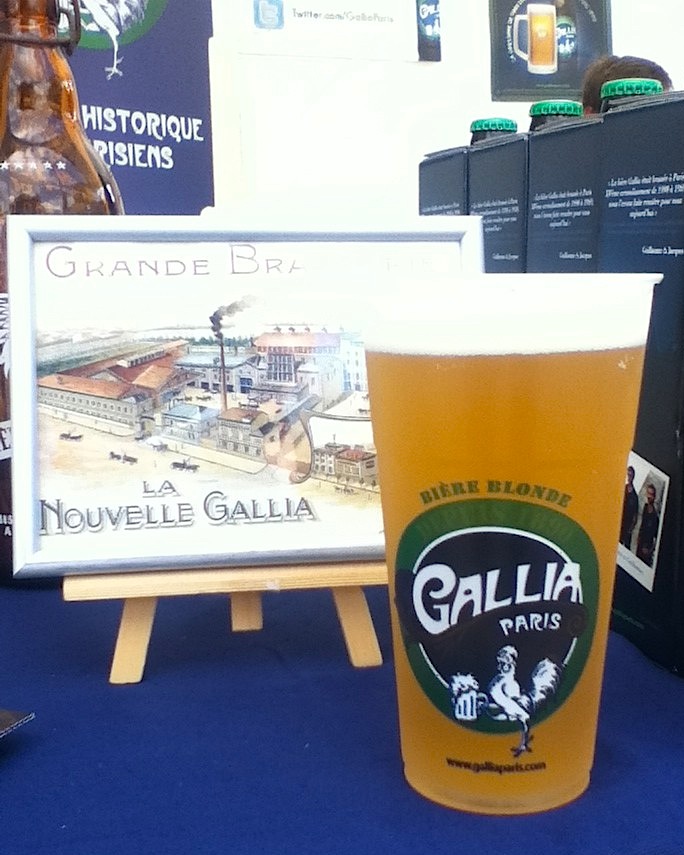
Roosters drink beer.

Question: can the French make a decent beer?

Enter: Gallia’s Bière Blonde from Paris:

It looks a hazy, coppery, gold, with fine fizz and a thin white lace.  Aromas turn up apricot, orange, lemon, and wheat.  The palate is dry, quite zippy, barely tannic, average in alcohol (5.5), with average intensity flavors of tart apple, underripe orange, grass, wheat, with a honey finish.  The length is surprisingly medium plus, rendering this beer a faultless, very good (4 of 5).

The French can make beer.

ALSACE

From Paris, we walk five feet to Alsace in Eastern France.

The highlight is Théo Meyer’s 2010 Riesling‏.

The wine glows a pale green.  Youthful, vibrant aromas of apricots, honey, and smoke jump up.  Minimal sugar allows for acids to slice and dice, ripe, 12.5% alcohol to warm, and a medium body to cajole us.  Complex but friendly flavors of honey, almond, and wood smoke boldly lead to a medium plus length.  It’s not a challenging Riesling.  But it’s very good (4 of 5).

LOIRE ATLANTIQUE

From Alsace, we zip West to the Atlantic SaulzieMuscadetCoast, where the green Muscadet grape reigns supreme.
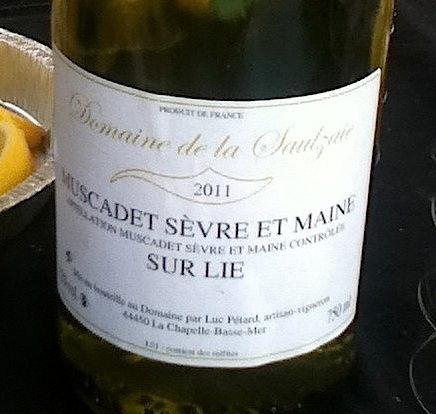
Domaine De La Saulzaie, Muscadet Sèvre et Maine, Sur Lie, 2011

It looks like clear, pale lemonade.  But don’t let that fool you.  Strong aromas smell of honeyed lemon and cream. Dry, high acid, medium alcohol and body lead to medium plus flavors of white melon and salt.

But this being France, wine rarely exists in isolation.
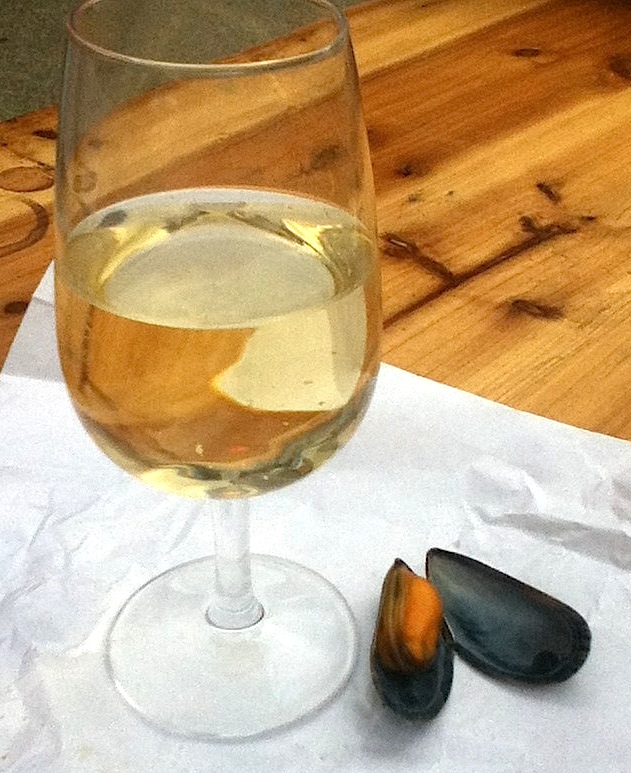
Photo13Now we hate mussels.  Tracy cringes and closes her face at the thought.  But once forced down our palates, both wine and food let go of their briny salt and become riper and fruitier.  Saulzaie’s Muscadet sings a perfect duet with mussels from Mont St. Michel.

CHABLIS

From the coast to the core of the continent, Savary’s wines typify Chablis.
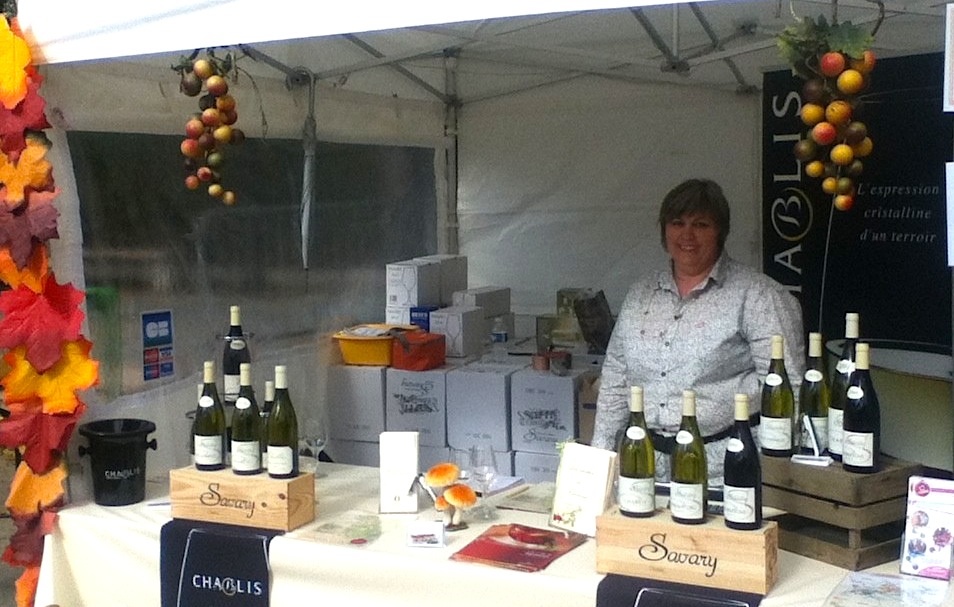
Photo8

I love this woman.

Of them all, Savary’s 1er Cru Vallions, Chardonnay, 2009, showed the best:

It is clear, pastel yellow with noted legs.  Aromatic mead, salty mineral, and golden delicious apple dominate the glass.  Lean, dry, brightly tart with exuberant flavors of bee’s wax, lime, lemon juice, lovely honeyed green apple.  The length is quite long.  This is classic Chablis. Very good (4 of 5).

BURGUNDY

Ready for red, we hop SE to Burgundy: specifically to a wine region appellation never sold outside France: the Côtes du Couches.

Chateau de Couches, one of 25 winemakers there, and they make a lovely Pinot Noir:
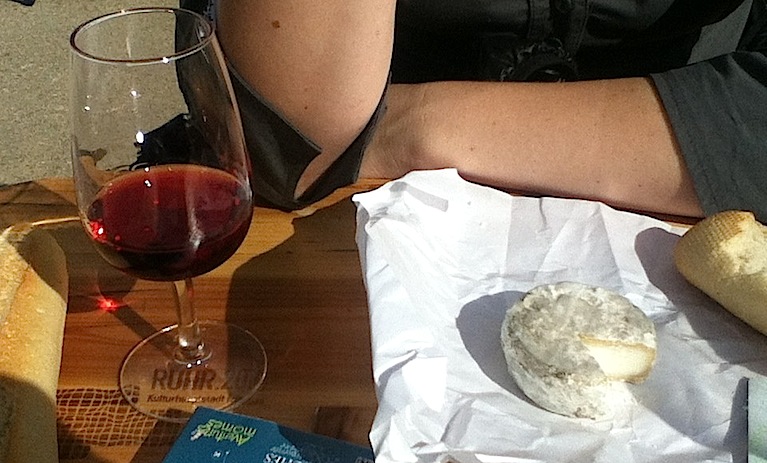
Photo11

We got hungry,,,

It’s bright, limpid ruby color invites.  Red cherry, kirsch, vanilla, and clove smell youthful and intent.  Medium acids, tannins, and alcohols lead to a surprisingly full-some body.  Ripe cherry, raspberry, oak, and chalk and a medium length, textbook, and very good (4 of 5) Burgundy from a micro-appelation.

The tart, chalky, creamy, nutty, funky old goat cheese with a baguette takes us near heaven.

CÔTES DU DURAS

We then hike a few steps to France’s south for Château la Boissière’s 2009 Duras:
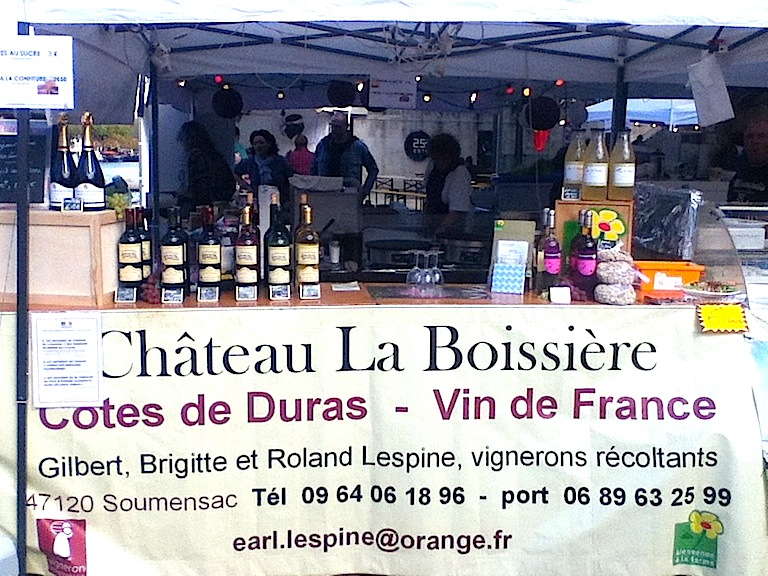
Photo16Duras is inland from Bordeaux and also grows the cabernets, merlot, malbec.

The 2009 rouge looks dark ruby with narrow legs.Photo14
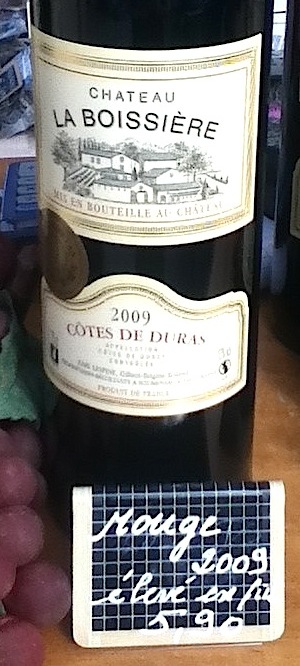
Strong, young aromas of vanilla and coconut that typify American oak lather themselves in hot bramble berries.

The palate feels dry, woody, tannic, with average alcohol, but a beefy body.  Average intensity flavors of burnt, black bramble pie, olive, and American oak make for a medium length, good (3 of 5), value (only 5.90 Euros?) red from a rare place.

FIN

Completely blissed-out on wine and food from the whole of France, my wife and I decide our palates are shot.  Any more regional specificity would be wasted on us.

We leave the canal square and stumble back home, excited.  Months into our EU Austerity Drinking Adventure and France has finally shown us the way.  We will follow its yellow brick road of wine from region to region and drink as much as this country can pour.

ParisCanal

Great info on: Côtes du Couches

Posted in Paris, WINERIES WANDERED | Tagged , , , , , , , , , , , , , , , , , , , , , , , , , | 5 Comments

Trapiche, Broquel, Bonarda, Mendoza, Argentina, 2006

It is my wife’s birthday, so I should keep this short.

Welcome to October.  Fall has descended upon us.  Cold snaps at night.  Daylight whimpers away.  Leaves turn.

Gone are the whites and rosés of summer.  Time for something darker, deeper, and dangerous.

We turn to a widely confused black-skinned grape: Bonarda.  While Italian immigrants flooded the depression-era US with red and white table cloths and cheep Chianti, they also migrated to Argentina.  Today, 60% of Argentines can claim Italian ancestry (talented but blank-slate soccer star, Lionel Messi is one).

Lionel_Messi

Soccer good. Fire bad.

The Italians brought their grapes with them.  Or at least they thought so.  True Bonarda thrives in the Piedmont of Northern Italy.  However, tonight’s agricultural immigrants did not have fancy DNA testing.  No.  They had another grape: Turca, grown in the Veneto.  It looked the same.  But it originated from North Eastern France, where the French call it Douce Noir, or more enticingly Corbeau: because it looks black like a crow.

Bonarda_Grape_by_lipecillo

Confused?  Me too.  But that makes wine fascinating.  Culture and context blur and stretch it, compounding an endless range of options.

Tonight’s example comes from the Bodegas Trapiche in Mendoza, Argentina.TrapicheBroquelBonarda

APPEARANCE:

It looks black and opaque, like squid ink.  A sliver of clear ruby might frame the rim, but I’m not making bets.

AROMAS:

Brooding black berry extract, dusky forest floor, dried tobacco leaf, whiffs of cream charm but show that this 2006 must be drunk now.

PALATE:

Dry.  This wine has no sugary give.  It takes no prisoners.  Acids are noticeable.  Tannins daub away the saliva, feeling leafy and begging for lean protein.  Alcohol is a bold 14%.  With all that structure the body feels lean, muscular, but hardly heavy.

FLAVORS:

Pure, stripped, black berry and red apple juice.  Dry grey bark and ash.  White pepper minerality.  Trapiche’s Bonarda cackles at your cliché fruit bomb malbecs.  This may all sound horrid.  But this wine could care less about your palate.  It wants to paint it black.  It wants revenge.

the-crow-43494

90’s nostalgia kicks in.

Like Brandon Lee, like his father Bruce, this wine wakes to a world corrupt.  It has strength, depth, and dirt.  It tastes unrelentingly real, attacks relentlessly, occasionally gets melodramatic when it rains, but is fleeting.  This wine is very good (4 of 5), even if it wants to be very bad.

Trapiche’s Broquel Bonarda will kick start your descent into October’s darkness.  Embrace your inner crow, and drink its sometimes namesake: Corbeau.

Posted in Bonarda, EMPTIED BOTTLES, Red | Tagged , , , , , , , , , , , , , , | 2 Comments

Entrée Paris 3: Père Lachaise Cemetery and Domaine de Rotisson, “Les Dalines”, Pinot Noir, Burgundy 2010: EU Austerity Drinking Tour #42

Day 76 of our EU Austerity Drinking Tour.  We have to slow down.  Versailles had exhausted us (last week’s post).  To avoid (most of the) tourist hordes, we hike to Père Lachaise Cemetery.

PereLachaiseGraveyardTracy

Oddly cheery weather for a cemetery.

Once in this grid of the famous and dead, we unleash our inner Art Historians, and hunt for our heroes of the humanities.

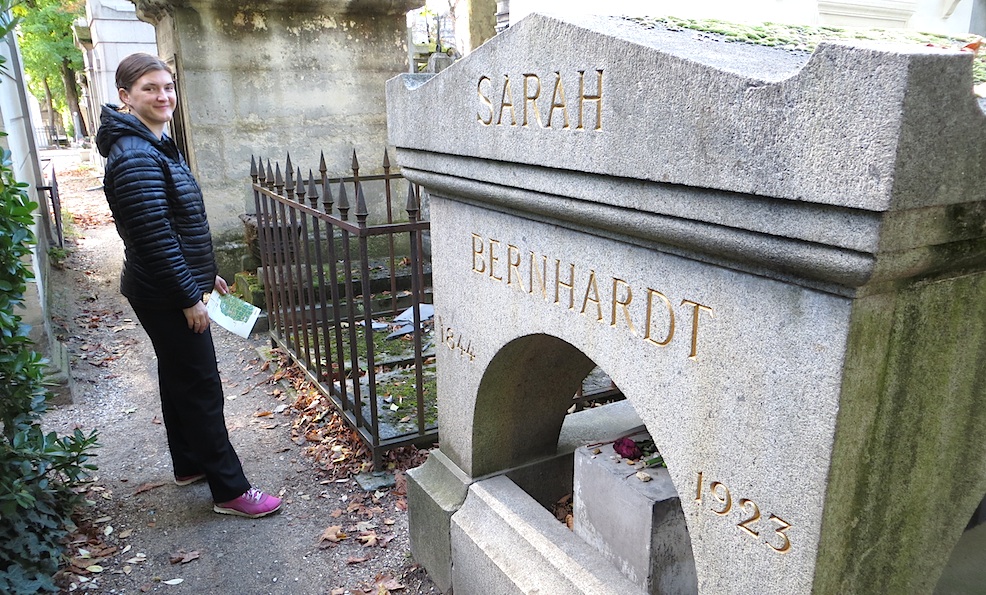
TandSarahBernhardt

Drama

A warm sun makes cutting between trees and tombs strangely pleasant.  Pissarro, Stein, Nadar, Montand, Lalande, Ernst, Lauencin, Géricault, Ingres, Balzac, David, Bizet, Caillebotte, Corot, Delacroix:

they all cram shoulder to shoulder with a quiet persistence.  All their fury and passion now silent stone.

So we share a picnic with them.

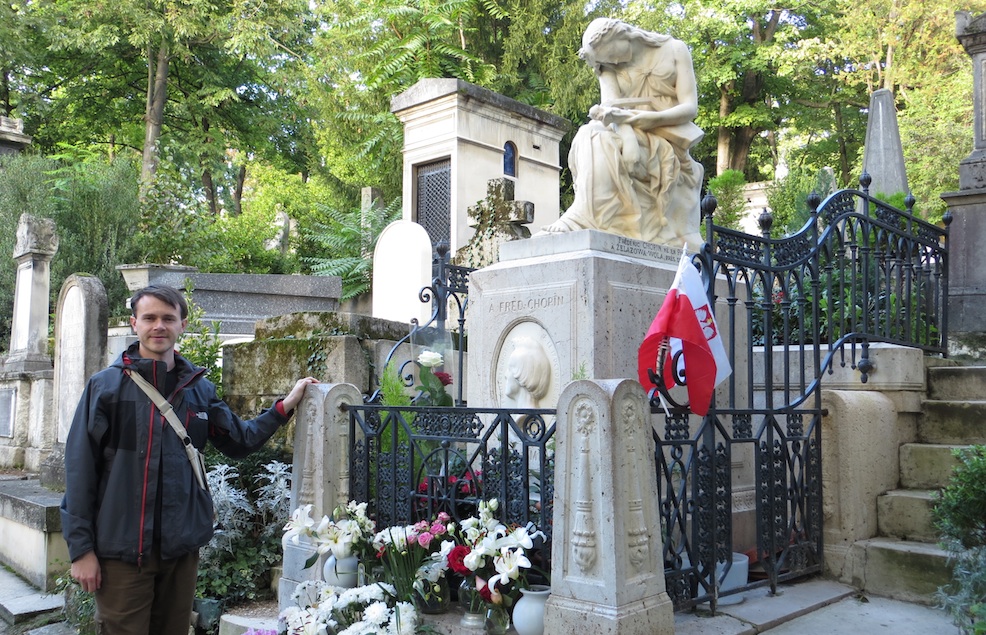
ChopinPereLachaiseAaron

The great Chopin: excepting his heart, which rests in Warsaw.

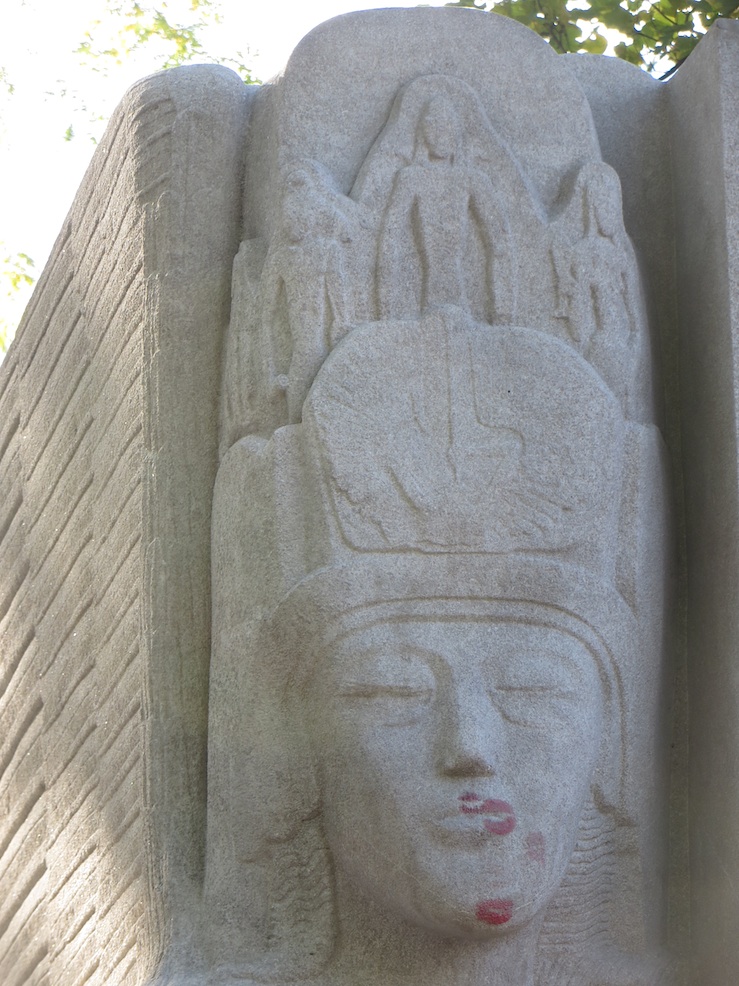
Oscar Wilde’s restored tomb floats behind plexiglass.  We forgo making out with it.

OscarWilde

Needs chapstick.

We half-heartedly look for Jim Morrison but, with the sun dropping, guards ringing bells, we funnel out.

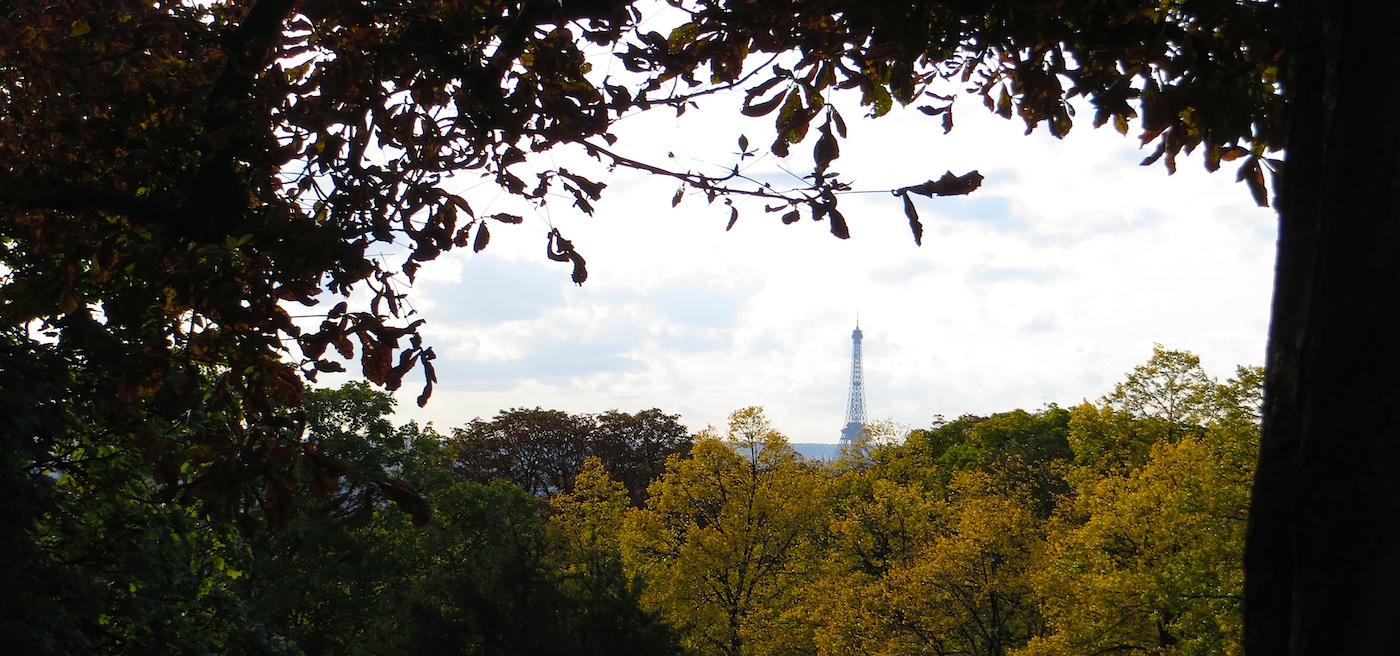
ParisEifelTowerDistance

Hard to believe a city surrounds us.

Back home, we finally meet our host.  She seems kind but aloof: her mind addled by a life  of world travel.  Maybe our touring all of Europe might make us as jaded.  We will see.

But tonight, the apartment fills with pumpkin soup enlivened by stolen herbs from Marie Antoinette‘s gardens.  I open Domaine De Rotisson “Les Dalines” 2010 pinot noir from Burgundy.

DomaineDeRotissonBourgogne

Fall is in the air.

The color looks an apt pale ruby.  Fresh red cherry and a mild vanilla cream smell like they’re still in the works.  Acidity shines, tannins flick lightly, alcohol and body weigh moderately.  Balanced.

However, loaded flavors pound out a ripe tart red cherry with nice chalky corners, all rounded by a smoky sherry cask.  The length is medium plus.  Rotisson’s Dalines is very good (4 of 5) especially for an under $20 Burgundy.  Give it another year or two.

Sitting with the glass oddly recalled Edith Piaf‘s grave:

EdithPiafTombAaron

Charming.

It is not a monument.  It looks just like the slab next to it: simple and serviceable.  Yet both are undeniably French, classic, and loved.

This is why we embarked on our 13 country, 7 month EU Austerity Drinking Tour.  Père Lachaise cemetery cost nothing to visit but brought hours of enjoyment.  And only in a corner, Parisian grocery store could we find such a gem of a wine.

Check in next Monday and tour all the wines and foods of France at a Food Fair in Paris.

Posted in Paris, WINERIES WANDERED | Tagged , , , , , , , , , , , , , , , , , , , , , , , , , , , , , , , | 1 Comment

ENTRÉE PARIS 2: Versailles, Birthday, and a Bordeaux: EU Austerity Drinking Tour #41

FrenchToastParis

Yum.

My wife and I wake to Paris at 7am, ready for her 31st birthday.  I had planned everything, from the metro to a secret tour of Versailles: nothing less for a queen.

She whips up a glorious, casual breakfast of the frenchest of French Toasts (of course).

She then notices that my ipod still ticks in Ireland time: 45 minutes late.  Last night’s shattered ceramic cat gets its revenge.

We panic and race through metro stops to the Versailles train.  It is cancelled.  We and the rest of Paris catch the next train.

Each metro car apes a famed room at Versailles.  But our nerves can’t really enjoy the interior.

VersailleTrain

Fake books and grumpy French.

Parisians glare at the Japanese and I attempting to capture this alien space.

Ninety minutes late, we find the secret tour already en route.  I get desperate.  Somehow, my twitchy French books us on the 11:30 tour.

With an hour to kill, we find the most amazing boulangerie for lunch.

MaisonPelePatissiere

Magic.

Benched before Versailles, we eat our delightful, if fleeting, sandwiches and intensely amazing pastries.

MaisonPeleVersaillePastryPerfect

Figgy fantastic

THE TOUR:

Then room after Rococo room bewilders our senses.

VersaillesAaron

Home sweet home.

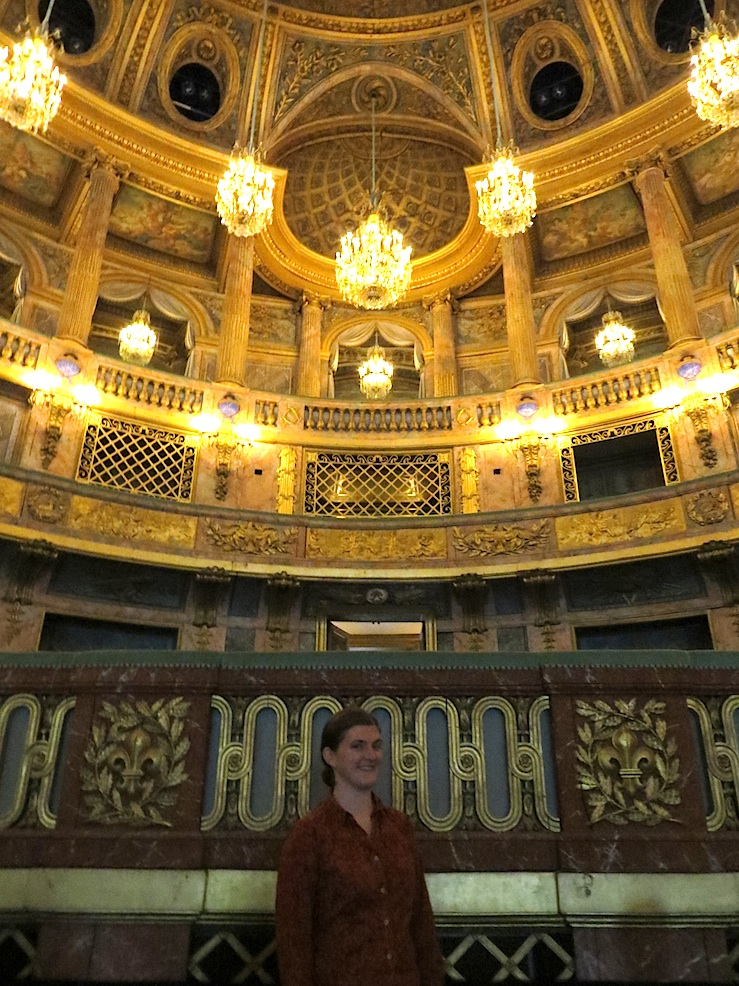
We realize our life needs more gilding.  The tour of back rooms ends us in Versailles’ private theater.

VersaillesTracytheater

Private box for a sun king.

THE PALACE:

We then join the mob of cameras, cell phones, and audio guides through the public rooms of the palace.

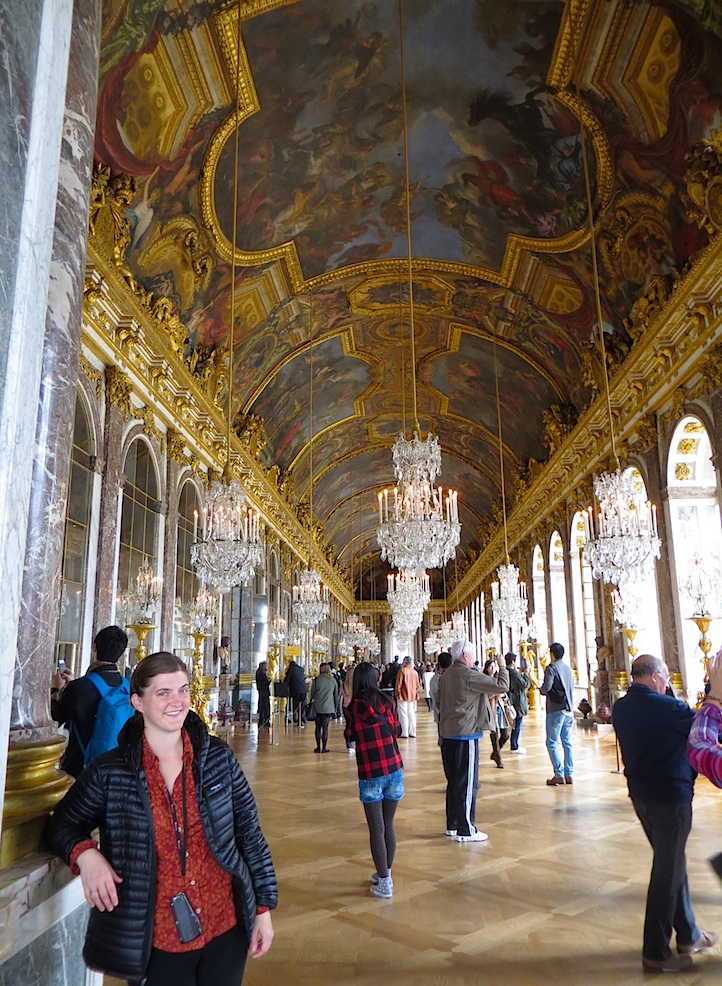
We pause in the Hall of Mirrors: focal point of balls and conquerors from Napoleon to Hitler:

TracyHallMirrorsVersailles

A light moment in the flow of tourists.

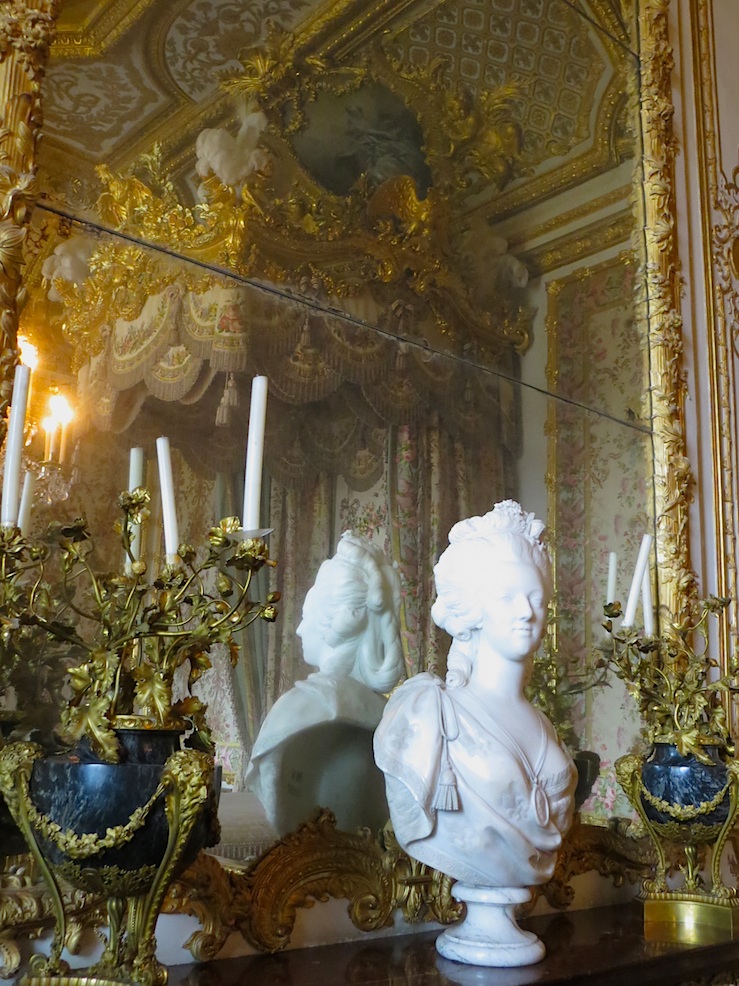
We then enter the surreal public birthing chamber of Marie Antoinette:

VersaillesMarieAntoinetteBirth

At least there weren’t video cameras back then.

Amidst tourists all speaking the same tongue of oohs and aahs, we start to feel the rage of the revolution.  Such extravagance was starving France.

THE GROUNDS:

We head outside for some air.

VersaillesGroundsAaron

A long walk (and some rain) awaits.

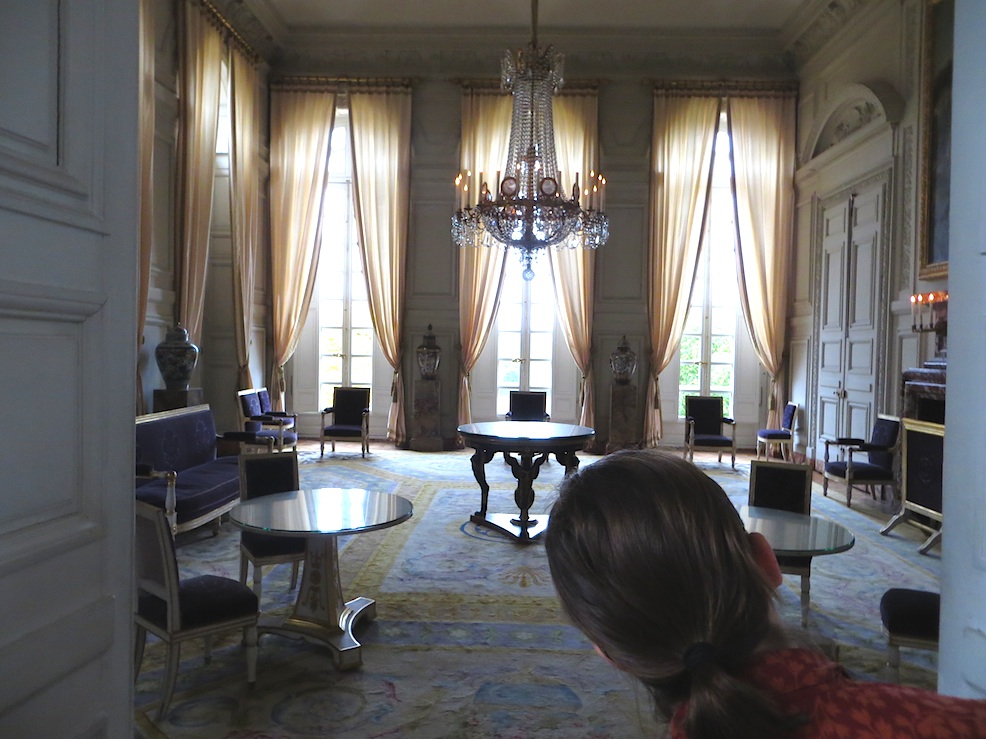
We traverse the sea of gardens.  A light drizzle drives us to the Petite Palais: mini chateau of Marie Antoinette and Versailles’ other queens, empresses, and mothers.

PetitePallaisVersailles

Poking our heads into Neo-Classical delight.

This supposedly restrained, private escape still reeked of wealth.

GlamVersaillesPetitePalais

Practical.

Even Marie Antoinette’s private bedchamber had retracting walls.

VersaillesPetitePalaisBed

“restraint”

Since the Petite Palais was too extravagant, Marie demanded an even more rural escape:

HAMEAU DE LA REINE:

TracyVersaillesGarden

Queens need to dirty their feet now and again.

This fabricated experiment in royal ruralism even had a vineyard:

VersaillesRoyalVineyard

Rustic.

Cabernet Franc and Merlot grow here again, thanks to research and restoration work.  It’s October 3rd 2012, and the Cab Franc is reaching ripeness, even through the miserable rains.  The Merlot tastes horrid.

MeVinesVersailles

Finally something relevant to wine.

It was brave to grow Bordeaux grapes this far North, sadly Versailles’ wine remains a delight of the elite.

Exhausted, we head home.  By Bordeaux varietal coincidence, we open our half-bottle of Bordeaux gifted to us by our host:

Maison Johanês Boubée, Bordeaux, Rouge 2011MaisonJohanesBoubeeBordeaux

Cabernet Franc dominates the blend, followed by Cabernet Sauvignon and Merlot.

APPEARANCE:

An average ruby color.

AROMAS:

This smells of young, moderate plum, cassis, chocolate, and vanilla.

PALATE:

Punchy acid and dry, reedy tannins demand food or cellaring.  It feels thin, jagged, and all too young.  Luckily the half-bottle has aged it faster.

FLAVORS:

Some tart cherry, dried raisin, and a slight tobacco from french oak can’t hide the thin fruit that tastes both underripe and overripe.

CONCLUSIONS:

Give Johanês Boubée’s 2011 a few years, a massive decanting, or a few steaks.  It’s good (3 of 5) and has promise.

Also, go to Versailles.  Eat everything at Maison Pelé.  Go on the back door tour.  Don’t miss the Petite Palais or Hameau.  But definitely set your clock.

T&AVersaillesExterior

Not a shabby birthday for a queen.

Posted in Paris, Uncategorized | Tagged , , , , , , , , , , , , , , | 6 Comments

DEPOSSESSED DRINK: WINE ON LOAN #MWWC3

wine-stain1-2“Possession” provides the theme for September’s Monthly Wine Writing Challenge begun by The Drunken Cyclist (you can vote for me here).

Already, “possession” has revealed many astounding collections (aka hoards) online: from old bottles, to 173 glasses, to German vineyard land laws.

We wine geeks splurge on rare, interesting, and expensive bottles.  But when to open them?  When will the window of drinkability close?  Should we keep the experience to ourselves or share (and show off) to friends?  Does one even “own”, let alone remember, a wine after drinking it?

THE END’S BEGINNING

In four years my wife and I had amassed eighteen cases of undrunk wine.

Many came from multiple visits to the Finger Lakes, Lake Ontario, and other North East wine regions.  A couple of cases remained of the four wines I had made.  A few gift bottles awaited drinking.

But then there were my babies: pricey wines that I had hand-picked for aging from my three years of work in a wine boutique.  I had even created a drinkability spreadsheet that stretched to 2020.

Drinkability

This was just the short list.

I dreamed of concocting the perfect pairing of food, evening, and company for each of my precious bottles.

Then, last summer, my wife and I had no choice.  We were leaving our jobs.  We couldn’t risk shipping the wines.

We had five months, or 150 days to drink 225 bottles.  So at an average of 1.5 bottles per night, we tackled our wine mountain.

SWIMMING THE FERMENTED SEA

My blueberry wine tasted like rubbing alcohol and rotten cranberries.  My two year old kit wine, barbarescowelches remained fruity, tart, drinkable, if a bit leafy.  My recent attempt at Vidal Blanc Brut had a vibrant bottle-fermented fizz, if limp notes of lemonade and grass.  But my Vignoles tasted intensely ripe, tropical, and nutty, even if it had accidentally become a bubbly.

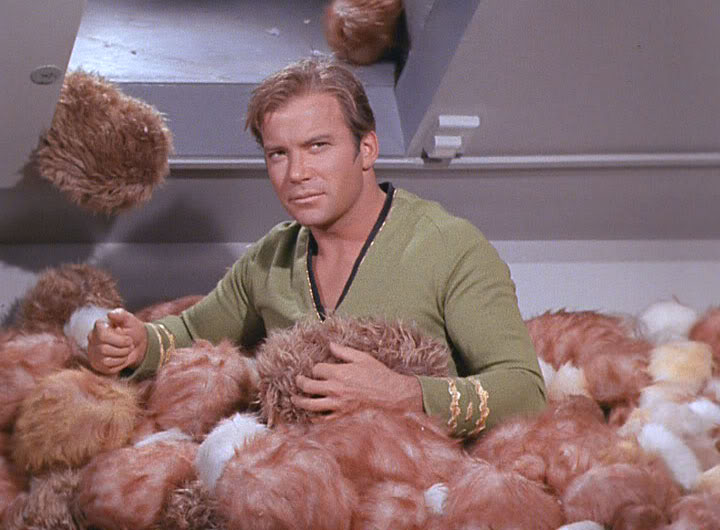
Many wines at or under $10 had died.  Winery visits had also burdened us with too many icewines, ports, and other things dessert.  Lesson: skip ice cream and drink your dessert wine now, before those half bottles multiply like tribbles.

TOS_2x13_TheTroubleWithTribbles0381

Sweet but kinda useless.

Luckily, we were both knee deep in the Advanced Level 3 of the Wine & Spirits Education Trust course (read about that nightmare here).  Finally, we could practice our blind tasting skills on proper stuff.  This took the sting out of opening, in one night, $150 worth of wine: Château du Tertre, Margaux, 2004, Château Camensac, Bordeaux, 2005, and Ridge’s Santa Cruz Cab 2005.  We could identify who was who quiet easily.  However, these cabs all tasted very fruit forward, rich, and modern.  Fantastic but not complex or interesting yet.  Maybe it was too soon.

Then there was the Château Smith-Haut-Lafite, Pessac-Leognan, Grand Vin de Bordeaux 2004.  This wine challenged the modernists above.  It looked hazy, smelled and tasted of leather, ceder forest, tobacco, musk, and mushroom, all wrapped around a black fruit pie.  It managed to feel subtle and engrossing all at once.

From Lake Ontario, the Peninsula Ridge Meritage 2007 had held its black fruit and tobacco spice well, with tannins and acid mellowing finally into something very akin to Bordeaux.  Meanwhile, the Wayne Gretzky Cabernet Merlot blend from the same year had fallen apart.

All our dry riesling from the Finger Lakes (Sheldrake Point) and Germany had evolved amazingly.

2007’s Woodcutter’s Shiraz from Australia’s Torbreck tasted like chunky, cherried port, while Edward Sellers’ 2005 Syrah was all spice, toast, fat fruit.

The Italians held a strong front.  Healthy vintages in Barbaresco like 2005’s Produttori flaunted ripe, floral, all-spiced wine.  While Chianti Riserva from 2006 from Selvapiana had kept its tannic edge, earth, and tart cherry in place.  Rougher years like 2002’s Brunello di Montalcino from Solaria had given up the ghost after a decade.

Hardest of all, was twisting a corkscrew into a magnum bottle of Patrick Piuze’s Premier Cru Mont de Milieu Chablis 2008.  My boss had gifted it to me last Christmas.  He told me to hide it away for five years.  Now I was leaving him, my customers, and everything I had built there.

Was it too soon?  Was this all a mistake?  Maybe I should stay and nurse this Chablis to maturity.  Going on our seven month, thirteen country EU Austerity Drinking Tour sounded stupid.

Yet in the glass, its pale, lemon sunlight told me otherwise.  It tasted brilliant.  Frenetic lime and grapefruit twisted around a mild honey and ripe pear core, lightly dusted with powdery chalk.  It gripped our palates for hours.  Outstanding.

And then it ended.

We never owned any of those wines.  They owned us.  A quarter of our living room (and more of our paycheck) had become possessed by bottles.

In a way, we had merely rented them, paid for a few minutes of experience.  Now, a year on, memory strains to claim them.  Time has dulled that rare clarity in each glass.

It was folly to hoard them.  Like George Elliot’s Silas Marner: the gold coins below his floor boards drove him from society, mechanized him, made him feel superior yet separate.

Then they were stolen.

silas_marner_by_george_eliot

Typical wine collector.

Thinking we own wine made us feel greater.  We could tell friends we were aging fancy Bordeaux.  We joined an elite club.  But this materialism was blocking us from opening them.  Like Silas Marner, he never spent his gold, just stared at it, feeling an empty, half joy.

What if we had waited?  What if we had aged these wines for a decade, just to find them faded, or worse, underwhelming?  Few wines could live up to all those years of anticipation.

Possessing wine only possesses a false happiness.  That dusty bottle is only a subterfuge for enjoyment.  Open it.  Share its fleeting experience.  This life, this body, that wine is all on loan anyway.  Enjoy it when you can.

VOTE NOW and make this post Prom King/Queen of the Monthly Wine Writing Challenge #MWWC3

Posted in EMPTIED BOTTLES | Tagged , , , , , , , , , , , , , , , , , , , , , , , , , | 16 Comments